


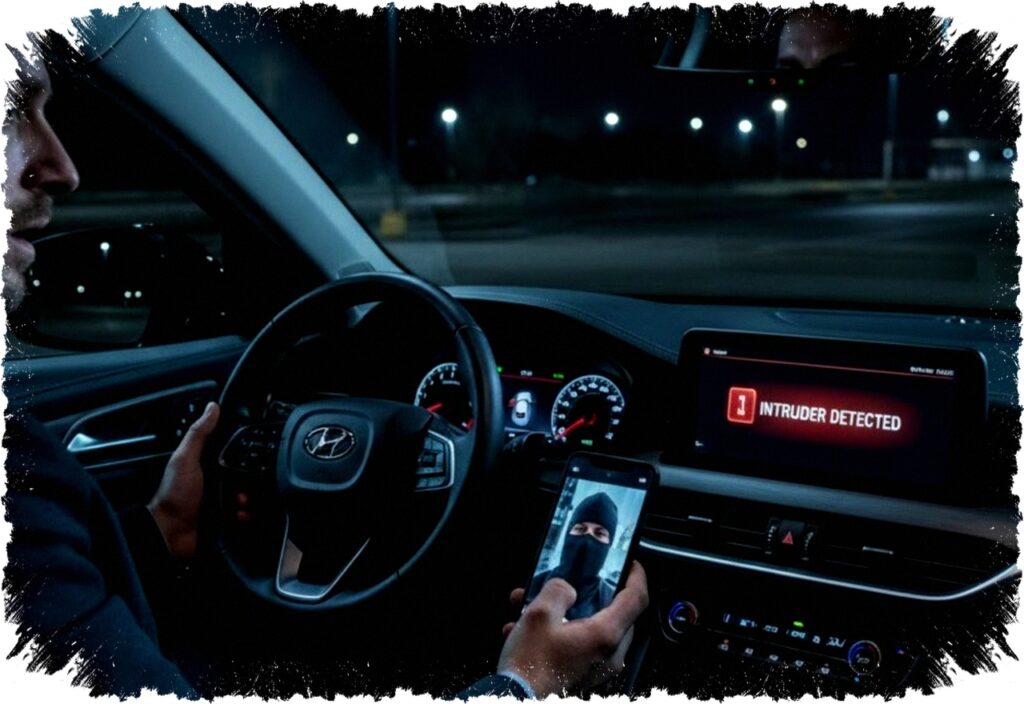
Automakers are introducing a groundbreaking security feature in 2026 models: Anti-Theft AI. This system enhances vehicle protection by quickly detecting suspicious activities and instantly alerting owners.
Traditional alarms often fail as thieves act fast. Anti-Theft AI narrows the response gap by combining cameras, motion sensors, and internet connectivity.
Advanced Detection Technology
Upon activation, external cameras monitor the vehicle’s surroundings constantly. If sensors spot door tampering, glass breaking, or unauthorized entry, the AI immediately records and analyzes facial features.
The facial recognition technology compares detected faces to a secured internal database. Unknown faces trigger alerts that send photos and video clips directly to the owner’s smartphone via a dedicated app.
How to Activate Anti-Theft AI
Activation begins with connecting the car to the internet using a built-in eSIM or trusted hotspot. Owners then log into the official vehicle app to access security settings.
Steps to activate include:
- Authenticate identity with two-factor verification like OTP or biometrics.
- Enable the Anti-Theft AI feature in the security menu.
- Register authorized users’ faces for the AI to differentiate between trusted individuals and intruders.
This facial data is encrypted and stored securely to protect privacy.
Integration and User Control
Besides sending alerts, some models feature flashing hazard lights and external speaker warnings to deter thieves. Owners can quickly contact authorities with photographic proof attached.
The system logs crucial details such as time, facial image, and GPS coordinates. This documentation aids law enforcement investigation and insurance claims.
Industry Adoption and Standards
Global brands have pioneered AI security in recent years. Tesla’s Sentry Mode introduced basic recording, but 2026 systems take it further with real-time facial recognition and instant notifications.
Stringent data protection regulations shape development. End-to-end encryption and certified cloud storage ensure biometric information stays secure against breaches.
Limitations and Performance Factors
Effectiveness depends on camera quality, internet speed, and environmental lighting. Infrared cameras help maintain visibility in darkness, but extreme conditions can affect detection accuracy.
Still, the technology marks a paradigm shift from passive alarms to smart, proactive vehicle defense.
The Connected Car Future
Anti-Theft AI symbolizes the growing trend of connected vehicles using artificial intelligence for enhanced safety. Its rapid threat identification and evidence gathering capabilities set new benchmarks for automotive security.
Owners of 2026 vehicles equipped with this technology gain peace of mind from knowing their investment is protected by cutting-edge AI-driven vigilance.