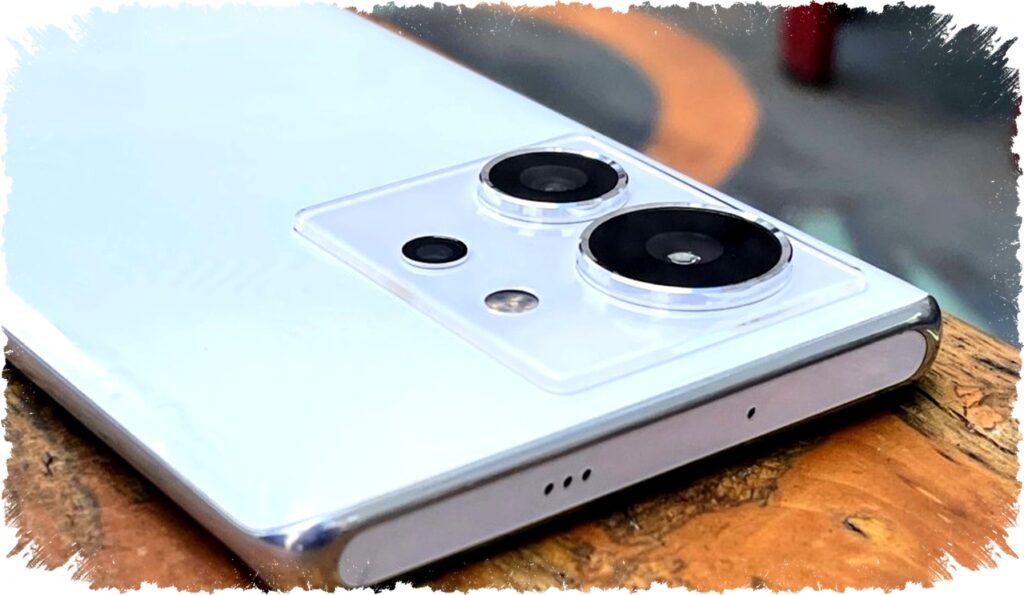
Redmi Note 13 Pro and Infinix Zero Ultra both feature impressive 200MP cameras, raising the bar for smartphone photography. These phones capture highly detailed photos, suitable even for professional use.
A 200MP sensor can deliver images packed with clarity and depth. Users benefit from sharper shots and more vibrant details compared to lower-resolution cameras.
Camera Specifications
The Redmi Note 13 Pro is equipped with a 200MP main camera supported by Optical Image Stabilization (OIS) and Electronic Image Stabilization (EIS). This technology reduces blur and improves image sharpness, especially in low-light conditions. The phone also includes a 2MP macro lens for close-up shots and an 8MP ultrawide camera to capture expansive scenes.
In contrast, the Infinix Zero Ultra features a 200MP primary camera with OIS, enhanced by a 13MP ultrawide lens with autofocus and a 2MP depth sensor. Its front camera boasts a higher resolution of 32MP, catering to selfie enthusiasts who seek crisp, clear results.
Display and Design
The Redmi Note 13 Pro houses a 6.67-inch AMOLED display with Full HD+ resolution. Its display allows vivid colors and deep contrasts for an immersive viewing experience. With dimensions of 161.1 mm x 74.95 mm x 7.98 mm and weighing 188 grams, it is designed to be sleek and lightweight.
Meanwhile, the Infinix Zero Ultra sports a larger 6.8-inch AMOLED screen offering a smooth 120Hz refresh rate. This facilitates fluid visuals and enhances video playback and gaming experiences. The phone’s body measures approximately 165.5 mm in height, with variations in thickness depending on the chosen color variant, weighing 213 grams in total.
Performance and Storage
Under the hood, the Redmi Note 13 Pro is powered by a MediaTek Helio G99-Ultra chipset. This is paired with 8GB of LPDDR4X RAM and 256GB UFS 2.2 internal storage, expandable up to 1TB. This combination supports multitasking and ample media storage comfortably.
The Infinix Zero Ultra runs on the MediaTek Dimensity 920 5G chipset, also coupled with 8GB RAM. Its storage capacity is 256GB, which ensures enough space for apps and media files but lacks the microSD card expansion seen in the Redmi model.
Battery and Charging
Battery life and charging speed deliver important user convenience. Redmi Note 13 Pro includes a 5,000mAh battery paired with a 67W turbo charging feature. This setup ensures the device can recharge quickly and sustain long daily use.
Infinix Zero Ultra, on the other hand, features a slightly smaller 4,500mAh battery but excels in charging speed with its 180W Thunder Charge technology. This allows the phone to reach full charge within approximately 12 minutes, which is notably faster than many competitors in this segment.
Pricing Comparison
Price plays a significant role when choosing between these two models. The Redmi Note 13 Pro is priced starting from approximately IDR 3,499,000, which converts to about $220 USD. Infinix Zero Ultra carries a price tag around IDR 4,000,000, roughly $250 USD, positioning it slightly higher in cost.
Summary of Key Specifications
| Feature | Redmi Note 13 Pro | Infinix Zero Ultra |
|---|---|---|
| Main Camera | 200MP (OIS + EIS) | 200MP (OIS) |
| Secondary Cameras | 8MP Ultrawide, 2MP Macro | 13MP Ultrawide + 2MP Depth |
| Front Camera | 16MP | 32MP |
| Display | 6.67" AMOLED FHD+ | 6.8" AMOLED 120Hz |
| Processor | MediaTek Helio G99-Ultra | MediaTek Dimensity 920 5G |
| RAM | 8GB LPDDR4X | 8GB |
| Storage | 256GB (expandable to 1TB) | 256GB |
| Battery Capacity | 5,000mAh | 4,500mAh |
| Charging Speed | 67W Turbo | 180W Thunder Charge |
| Price (approximate) | $220 USD | $250 USD |
| Weight | 188 grams | 213 grams |
Both smartphones offer compelling features with their 200MP cameras, but their differences in charging technology, camera versatility, and pricing might influence buyers. Redmi Note 13 Pro offers a balanced package with expandable storage and a slightly larger battery. Infinix Zero Ultra impresses with a higher refresh rate display and ultra-fast charging, appealing to multimedia users and fast-paced lifestyles.
For consumers prioritizing camera performance, both phones deliver cutting-edge resolution combined with stabilization technology, improving photo and video clarity. Additionally, the inclusion of multiple lens options on each device enhances photographic creativity.
When considering price, Redmi Note 13 Pro holds a slight advantage for budget-conscious buyers seeking premium camera capabilities. Infinix Zero Ultra’s pricing is justified by its rapid charging speed and display size, which might attract users willing to invest a little more.
In conclusion, these options illustrate how 200MP camera technology is increasingly accessible in mid-range smartphones. Users can now enjoy professional-grade photography without paying flagship prices. Each device caters differently to needs around photography, performance, and charging convenience, giving buyers meaningful choice within the $220 to $250 range.