The competition in the mid-range smartphone segment is intensifying with the release of Pixel 10a and Nothing Phone 4a Pro. Both devices are priced similarly but target distinct user needs with their unique hardware and software strengths. This review compares their specifications and features to help determine which phone offers the best overall value.
Nothing Phone 4a Pro impresses immediately with its large 6.83-inch OLED display. The panel is significantly bigger than the Pixel 10a’s 6.3-inch screen. Additionally, it reaches a peak brightness of 5,000 nits, making it one of the brightest displays available in this category. This brightness level ensures excellent visibility even under direct sunlight.
The refresh rate of the Nothing Phone 4a Pro is another highlight. It supports a smooth 144Hz refresh rate, which is substantially higher than most mid-range competitors. This results in more fluid animations and better responsiveness during gaming or scrolling. Moreover, the device includes a 50MP telephoto camera with 3.5x optical zoom, a feature that adds versatility to its photography capabilities.
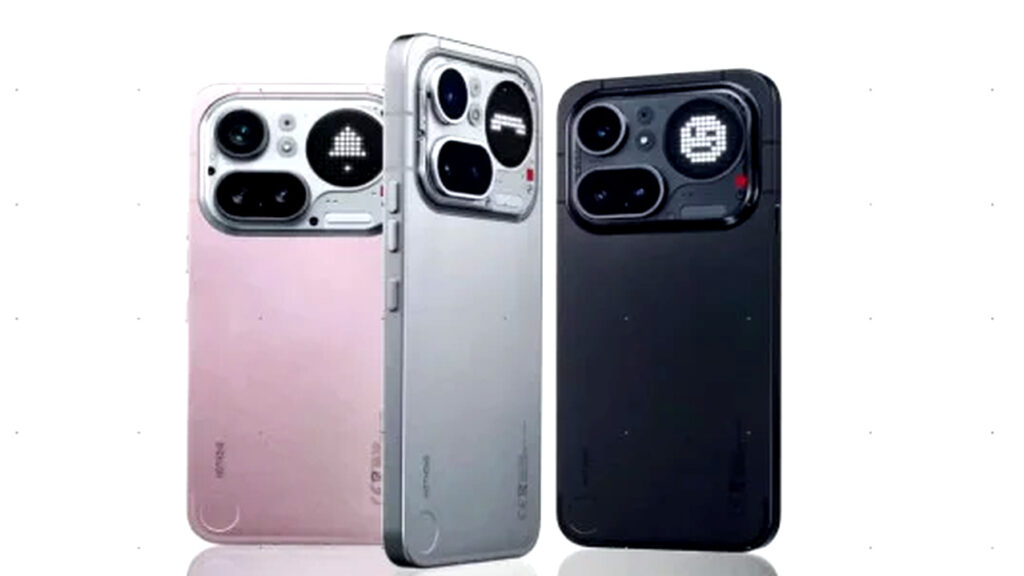
Nothing also offers superior charging speed with a 50W wired fast charging system. This allows users to recharge the phone quickly, minimizing downtime. Its signature Glyph Matrix on the back provides a futuristic aesthetic and functional notifications, distinguishing the device’s design.
Despite these strengths, the Pixel 10a counters with robust advantages centered around processing and durability. Powered by Google’s proprietary Tensor G4 chipset, the Pixel delivers flagship-level AI efficiency. Benchmarks consistently show the Tensor G4 outperforming the Snapdragon 7 Gen 4 in computationally intensive tasks, which translates to smoother multitasking and smarter software adaptations.
Connectivity is another area where the Pixel 10a excels. It supports advanced standards like Bluetooth 6 and Wi-Fi 6E, alongside a USB 3.2 port for faster wired transfers. These features ensure more reliable and speedy connections compared to the Nothing Phone 4a Pro, which uses slightly older standards.
When it comes to durability, the Pixel 10a is certified with IP68, meaning it can withstand full submersion in water. In contrast, the Nothing Phone 4a Pro only carries an IP65 rating, designed to resist low-pressure water sprays. This difference can be crucial for users who need a device capable of handling more demanding environmental conditions.
Google also includes wireless charging on the Pixel 10a, a convenience lacking on the Nothing Phone 4a Pro. Wireless charging simplifies daily use, especially for urban users who prefer cable-free solutions over faster wired charging. This feature adds to the Pixel’s appeal as a practical daily driver.
Key Comparisons at a Glance
| Feature | Pixel 10a | Nothing Phone 4a Pro |
|---|---|---|
| Display Size | 6.3-inch OLED | 6.83-inch OLED |
| Peak Brightness | Not specified (lower than 5,000 nits) | 5,000 nits |
| Refresh Rate | Standard (typically 60-90Hz) | 144Hz |
| Main Camera | Standard lens (no telephoto) | 50MP telephoto with 3.5x optical zoom |
| Processor | Tensor G4 | Snapdragon 7 Gen 4 |
| Water Resistance | IP68 | IP65 |
| Wireless Charging | Supported | Not Supported |
| Charging Speed | Standard (likely slower) | 50W wired fast charge |
| Connectivity | Bluetooth 6, Wi-Fi 6E, USB 3.2 | Older standards |
Choosing between the two depends largely on user priorities. Those valuing a visually stunning and bright display, plus telephoto photography, will likely prefer the Nothing Phone 4a Pro. It is also geared towards users looking for cutting-edge design and fast wired charging. Its futuristic Glyph Matrix gives it an aesthetic edge hard to find in other mid-range phones.
Conversely, users who prioritize durability, wireless charging, and superior AI performance will find more value in the Pixel 10a. Google’s long-term software support and ecosystem integration further enhance its appeal. The Tensor G4 chipset’s efficiency ensures that the phone stays responsive and relevant longer, complementing the robust IP68 protection.
Both phones excel in different areas, making each suitable for different lifestyle needs. It is important for buyers to evaluate which features align with their daily use and productivity requirements before making a decision. The Pixel 10a and Nothing Phone 4a Pro both provide compelling options in the $400 to $450 range, making the mid-range competition more exciting than ever.