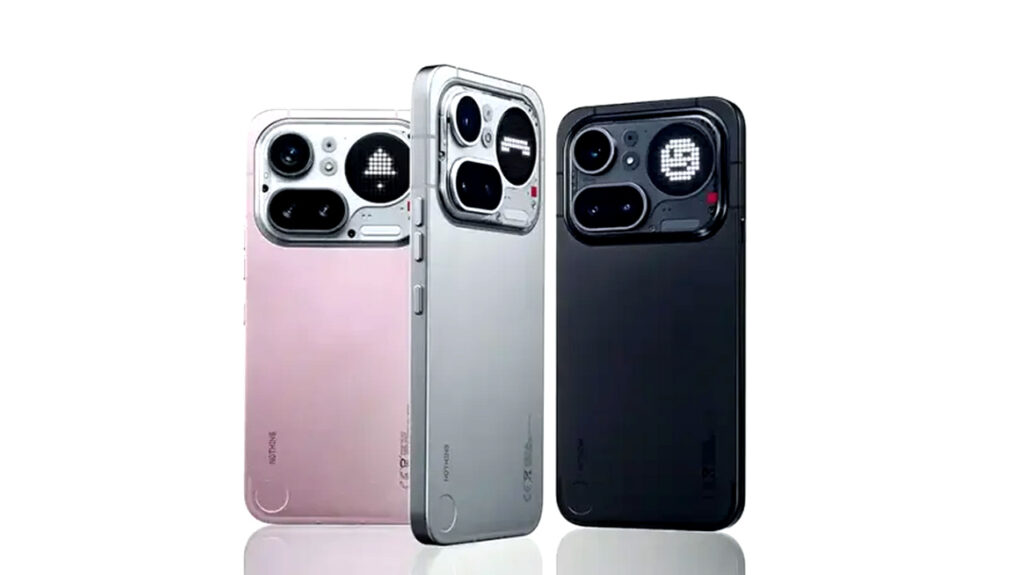
Nothing, the technology company founded by Carl Pei, has introduced its latest mid-range smartphone lineup, the Nothing Phone (4a) series, on March 6, 2026. This release marks a strategic shift as the company focuses on “a” series models, offering two variants: Nothing Phone (4a) and Nothing Phone (4a) Pro.
A major highlight in this series is the introduction of periscope camera lenses along with a notable update to the signature rear lighting system. These innovations are set to distinguish the devices in the competitive mid-range smartphone market.
Advanced Camera Technology with Periscope Lens
The Nothing Phone (4a) series features an impressive 50MP periscope telephoto lens, a rare inclusion in this price segment. The regular model delivers up to 3.5x optical zoom and supports up to 70x Ultra Zoom. Meanwhile, the Pro version doubles the zoom capability to 140x, catering to photography enthusiasts who demand detailed long-range shots.
Additionally, the Pro model is equipped with a Sony LYT700C 50MP main sensor paired with Optical Image Stabilization (OIS). This setup enhances low-light photography performance, bringing flagship-level image quality. Both models also provide a sharp 32MP front camera for selfies, ensuring high-resolution captures in diverse lighting conditions.
Distinctive Glyph Lighting System
Nothing continues its design legacy by retaining transparency in its chassis. However, the rear lighting system has undergone a transformation. The standard Nothing Phone (4a) features the Glyph Bar, which incorporates 63 mini LEDs organized into seven zones. This minimalist design provides functional notifications while maintaining a clean aesthetics.
In contrast, the Nothing Phone (4a) Pro comes with the more sophisticated Glyph Matrix. It integrates 137 mini LEDs capable of interactive displays such as battery indicators, timers, and digital clocks. This enhancement not only serves as a visual upgrade but also increases the device’s utility in conveniently relaying important information without needing to unlock the screen.
Display Excellence and Design Innovations
Both models boast AMOLED screens with high refresh rates and exceptional brightness levels. The Pro version sports a 6.83-inch AMOLED panel with a blazing 144Hz refresh rate and peak brightness reaching 5,000 nits. This makes it suitable for outdoor use and smooth scrolling experiences. The regular version offers a slightly smaller 6.78-inch AMOLED display with a 120Hz refresh rate and 4,500 nits of maximum brightness, still delivering vibrant and fluid visuals.
On the build side, the Pro variant opts for a metal unibody design complemented with IP65 dust and water resistance certification. The standard model uses a plastic frame and offers IP64 protection, making it resilient yet lighter.
Robust Performance and Cooling Solutions
Performance-wise, the Nothing Phone (4a) Pro is powered by the Qualcomm Snapdragon 7 Gen 4 chipset, delivering a 27% increase in CPU performance compared to previous generations. It pairs with up to 12GB LPDDR5X RAM and UFS 3.1 storage to support demanding applications and gaming. For thermal management, the Pro model integrates a large 5,300 mm² vapor chamber cooling system, ensuring sustained performance under load.
The standard Nothing Phone (4a) uses the Snapdragon 7s Gen 4 chipset. Though less powerful, it balances efficiency and capability well for everyday tasks and moderate gaming.
Battery Capacity and Software Longevity
Both phones come equipped with sizable batteries—5,080 mAh for the global version and 5,400 mAh for the Indian market variant. Fast charging is supported at 50W, and the company claims the battery maintains health for up to 1,200 charging cycles, which suggests durability over extended usage periods.
The devices run Nothing OS 4.1 based on Android 16. Crucially, Nothing pledges three major Android updates and six years of security patches, which is exceptional for mid-range devices, emphasizing the brand’s commitment to software sustainability.
Comparison Table: Nothing Phone (4a) vs. Nothing Phone (4a) Pro
| Feature | Nothing Phone (4a) | Nothing Phone (4a) Pro |
|---|---|---|
| Chipset | Snapdragon 7s Gen 4 | Snapdragon 7 Gen 4 |
| Display | 6.78" AMOLED, 120Hz | 6.83" AMOLED, 144Hz |
| Peak Brightness | 4,500 nits | 5,000 nits |
| Main Camera | 50MP with OIS | Sony LYT700C 50MP with OIS |
| Telephoto Periscope | 50MP, 70x zoom | 50MP, 140x zoom |
| Body Material | Plastic frame, IP64 | Metal unibody, IP65 |
| Glyph Lighting System | Glyph Bar (63 LEDs) | Glyph Matrix (137 LEDs) |
| Starting Price (USD) | Approximately $400 | Approximately $500 |
These features position the Nothing Phone (4a) series as an attractive choice for mid-range smartphone buyers who want cutting-edge camera capabilities and innovative design elements at accessible prices.
Market Implications and User Experience
The introduction of a periscope lens in the mid-range segment marks a breakthrough for Nothing. Optical zoom has been traditionally reserved for premium phones. Now, users can enjoy advanced zoom capacities without paying flagship prices. This could catalyze wider adoption of periscope cameras across budget smartphone categories.
Likewise, the unique Glyph Bar and Glyph Matrix lighting systems enhance user interaction while reinforcing brand identity. The interactive LEDs on the Pro model deepen the utility by showing real-time info outside the main display, a feature not common among competitors.
Further, the company’s strategy to provide prolonged software support adds value and boosts user confidence in device longevity. This is especially compelling in the mid-range class, where software support longevity is often limited.
Final Thoughts on Innovation and Positioning
Nothing’s emphasis on camera advancement and Glyph bar evolution in the Phone (4a) lineup differentiates it in a crowded market. By combining high-performance chipsets, vibrant displays, and unique lighting mechanisms, the series appeals to tech-savvy consumers seeking fresh experiences.
This approach reflects a growing trend of mid-range smartphones integrating premium features thoughtfully, bridging gaps between affordability and innovation. With competitive pricing starting around $400, the Nothing Phone (4a) series could well reshape expectations for mid-tier smartphones in 2026.