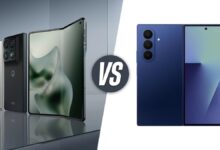
The competition in the flagship smartphone arena is intensifying rapidly. While Samsung’s Galaxy S26 Ultra has long been synonymous with the best camera performance, other brands like iQOO are quickly closing the gap with remarkable camera innovations.
In 2026, iQOO launched several models equipped with advanced camera technologies. These models challenge the dominance of Samsung’s ultra-premium devices through a mix of large sensors, periscope telephoto lenses, and AI-driven imaging software. Here are three iQOO smartphones whose camera systems are considered on par with the Galaxy S26 Ultra, impressively delivering stunning photo results.
1. iQOO 15 Ultra: Flagship-level AI Photography
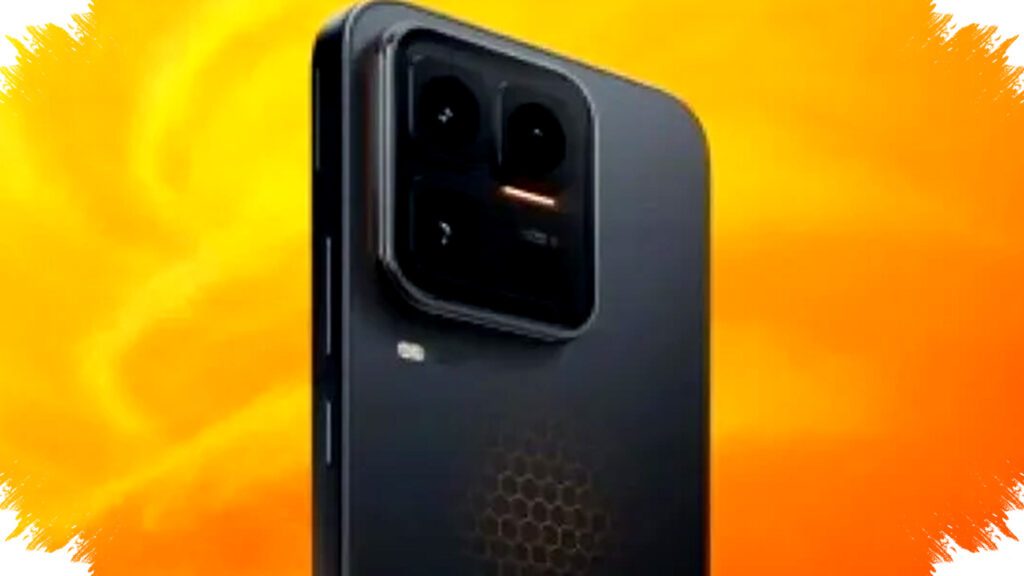
The iQOO 15 Ultra is a recent flagship designed to compete globally with premium phones. It features a flagship camera setup with three 50-megapixel sensors. Its main camera sensor is large, allowing it to capture more light for detailed photos, especially in low-light conditions. The device also sports a 50-megapixel periscope telephoto lens providing 3x optical zoom, enhanced with optical image stabilization (OIS) to reduce shake.
iQOO integrates the NICE 3.0 Optical Reconstruction Engine, which sharpens fine details and preserves image clarity. Alongside this, the Magic 2.0 Image Restoration Engine corrects colors and textures, producing natural-looking photos. Early testing shows that the iQOO 15 Ultra excels in long-range and portrait photography, frequently matching or outpacing other flagship offerings at similar zoom levels.
2. iQOO 12 Pro: Excellence in Zoom and Low-Light
Although not the newest, the iQOO 12 Pro remains a top contender in iQOO’s lineup for photography. It carries a 50-megapixel primary sensor approximately 1/1.3 inches in size, a specification that ensures strong performance in dim environments. Its standout feature is a 64-megapixel periscope telephoto camera, offering 3x optical zoom with superb clarity and detail retention.
Additionally, the iQOO 12 Pro includes a 50-megapixel ultra-wide sensor that enables broad-angle shots without sacrificing resolution. The device supports video recording at an impressive 8K resolution, providing users with high-definition video capture. Thanks to OIS and a large telephoto sensor, zoomed photos between 3x and 10x maintain sharpness with minimal noise, making it a favored model for portrait and zoom photography enthusiasts.
3. iQOO 13: Balanced Performance and Natural Colors
The iQOO 13 is celebrated primarily for its performance, yet its camera setup remains highly competitive. It features a triple rear camera array: a 50-megapixel main sensor, a 50-megapixel ultra-wide-angle lens, and a 64-megapixel telephoto lens. This combination offers flexibility for shooting landscapes, portraits, and close-ups alike.
While the primary sensor resolution does not reach Samsung’s staggering 200 megapixels, the iQOO 13 utilizes high-quality Sony sensors renowned for accurate color reproduction. Its AI-driven HDR processing enhances photo clarity and color balance. Users can also record 8K video, elevating the device’s videography capabilities. The natural tones and sharp contrasts in photos have earned this phone praise among photography enthusiasts seeking a well-rounded flagship camera.
Comparing the Trio to the Galaxy S26 Ultra
Samsung’s Galaxy S26 Ultra maintains superiority in raw sensor resolution with its 200-megapixel main camera. Its mature software processing further amplifies image quality. However, the iQOO phones offer formidable competition through a different approach.
- iQOO 15 Ultra emphasizes cutting-edge AI imaging technologies and robust periscope zoom performance.
- iQOO 12 Pro stands out for its telephoto zoom precision and low-noise night shots.
- iQOO 13 balances strong overall camera hardware with natural color imaging, appealing to users who prioritize color fidelity.
Each of these iQOO smartphones leverages Sony’s acclaimed image sensors and Vivo’s sophisticated AI algorithms, enabling sharp details and vivid photos. Tests reveal that under certain conditions such as zoom and portrait modes, these iQOO devices rival or sometimes outdo their Samsung counterparts.
Why Choose iQOO as an Alternative?
For consumers seeking flagship camera quality without opting for Samsung, iQOO represents a compelling choice in 2026. Their smartphones combine advanced sensor technology and intelligent image processing at competitive price points—with global pricing for these models estimated around $600 to $900 depending on configuration.
iQOO’s aggressive innovation in periscope telephoto technology and AI photography allows users to capture detailed photos, even at zoom ranges or in challenging lighting scenarios. This makes these three models highly attractive options for photography enthusiasts and tech-savvy users looking to diversify from mainstream brands.
As camera performance remains a decisive factor for smartphone buyers, iQOO’s commitment to delivering near-flagship-level imaging continues to disrupt the competitive landscape, challenging Samsung’s longstanding dominance in the ultra-premium camera segment.