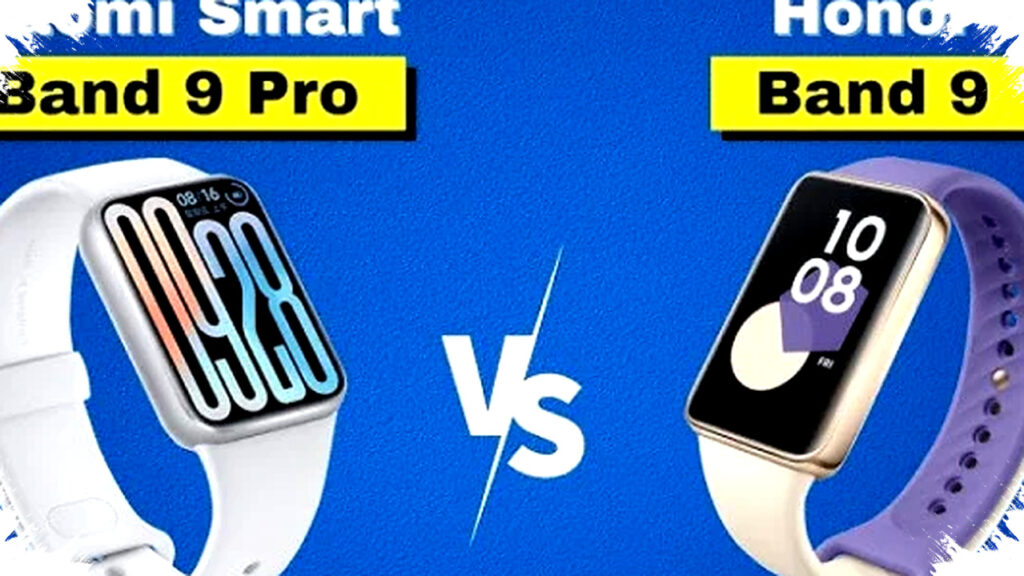
The wearable device market is increasingly competitive as more people prioritize a healthy lifestyle. Two notable contenders in the midrange smart band segment are the Xiaomi Smart Band 9 Pro and the Honor Band 9. Both provide modern fitness tracking features and elegant designs, but key differences make choosing between them an important decision.
Understanding the distinctions in specifications, features, and battery life between these smart bands helps potential buyers make informed choices. Below is a detailed comparison based on design, display quality, health tracking capabilities, durability, connectivity, system software, and battery endurance.
Design and Physical Attributes
Both Xiaomi Smart Band 9 Pro and Honor Band 9 share a rectangular watch face typical for smart bands. This shape enhances readability and ease of use for daily activities.
The Xiaomi Smart Band 9 Pro measures approximately 43.27 mm wide, 32.49 mm tall, and 10.2 mm thick. It weighs around 24.5 grams, striking a balance between a premium feel and comfortable wear all day. This model offers a slightly larger screen than many competitors, contributing to its upscale appearance.
In contrast, the Honor Band 9 is more compact, with a width of about 43 mm and a height of 27.88 mm, but considerably lighter at 16.3 grams. The reduced weight improves comfort, particularly for users engaging in sports or long periods of wear. Additionally, Honor provides multiple strap colors, including black, blue, and purple, increasing options for personalization. Xiaomi’s color options are more limited in the initial release.
Display Quality
The display is a critical factor for smart bands. Both devices employ AMOLED panels, known for vibrant colors and energy efficiency.
Xiaomi features a larger 1.74-inch screen with a resolution of 336 x 480 pixels. This generous size enhances readability of notifications and health metrics. Honor Band 9’s display measures 1.57 inches with a 256 x 402 pixel resolution. Though smaller, it maintains sharpness and responsiveness suitable for daily use.
Both models support touchscreen navigation, allowing effortless interaction with menus and features.
Health and Fitness Features
Health monitoring remains a central function of smart bands. Xiaomi Smart Band 9 Pro includes heart rate monitoring, blood oxygen saturation (SpO2) tracking, and step counting. These features allow users to monitor physical activity and maintain wellness effectively.
Honor Band 9 extends its health tracking capabilities by including not only heart rate and SpO2 sensors but also sleep monitoring, an accelerometer, and a gyroscope. This sensor suite provides a more detailed overview of physical behavior, especially useful for tracking sleep quality and movement patterns.
Both devices can track daily steps and general activity, making them practical tools for fitness enthusiasts.
Water Resistance
Durability against water exposure is essential for active users. Xiaomi Smart Band 9 Pro and Honor Band 9 both come with a 5 ATM water resistance rating. This means they can safely be worn while swimming or during activities exposed to splashes without risk of damage.
This level of water resistance supports users with outdoor lifestyles or water sports.
Connectivity and Software
In connectivity, Xiaomi’s Smart Band 9 Pro has an advantage by using Bluetooth 5.4, which offers a more reliable connection and improved power management compared to older versions. It also supports GNSS (global navigation satellite system) and NFC (near-field communication), adding versatility in GPS tracking and contactless payment scenarios.
Xiaomi runs the latest HyperOS 2 platform, designed to optimize performance and compatibility with smart devices.
Honor Band 9 uses Bluetooth 5.3, which remains sufficiently fast and stable for syncing data with smartphones. It operates on an RTOS system and provides about 4 MB RAM and 48 MB internal storage, adequate for a smart band’s needs despite being modest.
Battery Life
Battery endurance is a decisive metric for wearable devices. Xiaomi Smart Band 9 Pro comes with a 350 mAh battery. According to Xiaomi, this supports up to 21 days of typical usage, placing it among the longer-lasting bands in its class.
Honor Band 9 includes a 180 mAh battery with an estimated usage time of 14 days. While shorter, this duration is still commendable for smart bands and meets daily user demands effectively.
Honor’s charging method uses magnetic pogo pins, which simplify the recharging process.
Summary Table: Key Specifications
| Feature | Xiaomi Smart Band 9 Pro | Honor Band 9 |
|---|---|---|
| Dimensions (mm) | 43.27 x 32.49 x 10.2 | 43 x 27.88 x ~ |
| Weight | 24.5 grams | 16.3 grams |
| Display Size | 1.74 inches | 1.57 inches |
| Display Resolution | 336 x 480 pixels | 256 x 402 pixels |
| Display Type | AMOLED touchscreen | AMOLED touchscreen |
| Heart Rate Sensor | Yes | Yes |
| SpO2 Sensor | Yes | Yes |
| Sleep Tracking | Basic | Advanced |
| Accelerometer & Gyroscope | – | Yes |
| Water Resistance | 5 ATM | 5 ATM |
| Bluetooth Version | 5.4 | 5.3 |
| GNSS and NFC | Supported | Not supported |
| Operating System | HyperOS 2 | RTOS |
| Battery Capacity | 350 mAh | 180 mAh |
| Battery Life | Up to 21 days | Up to 14 days |
| Strap Colors | Limited | Black, Blue, Purple |
Users seeking a smart band with a larger screen, enhanced connectivity, and longer battery life may lean towards Xiaomi Smart Band 9 Pro. Its support for GNSS and NFC adds practical advantages for outdoor activity tracking and contactless services.
Conversely, individuals favoring a lighter device with more color options and detailed health sensors such as a gyroscope and sleep monitoring might prefer Honor Band 9. Its compact design suits those who value comfort and varied aesthetics.
Both models are comparably priced within the midrange category, roughly around $40 to $50 depending on region and retailer. Their competitive features reflect the growing capabilities of affordable fitness wearables.
The differences between Xiaomi Smart Band 9 Pro and Honor Band 9 highlight how manufacturers balance design, functionality, and endurance. These smart bands cater to diverse preferences, whether users emphasize monitoring capabilities, device comfort, or extended battery performance for daily fitness and wellness routines.