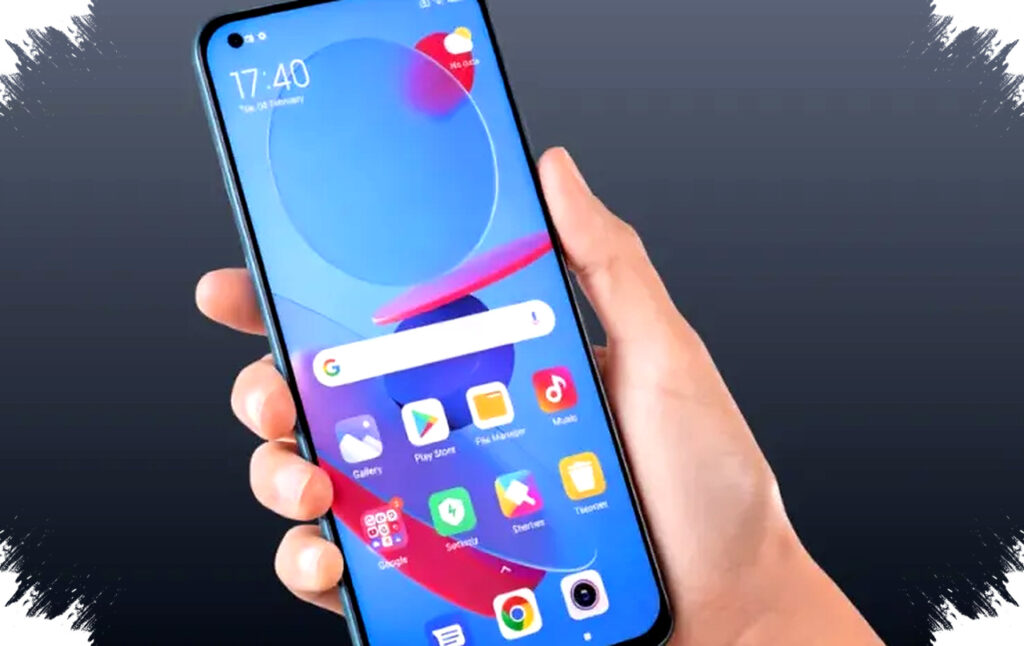
Xiaomi is drawing a clearer line between its mainstream flagship and its top-end Ultra model. Based on the latest comparison highlighted by Android Central and referenced by Selular.ID, the Xiaomi 17 and Xiaomi 17 Ultra target different buyers even though both sit in the same premium family.
The split is not just about pricing or storage tiers. Xiaomi uses the Ultra badge to push camera hardware, display refinements, and battery upgrades, while the standard Xiaomi 17 aims to deliver flagship performance in a more balanced package.
A two-tier flagship strategy
Xiaomi has long used its premium lineup to create room for more than one kind of flagship buyer. The Xiaomi 17 follows the familiar pattern of concentrating on strong performance, capable cameras, and a price that stays closer to the upper mainstream segment.
The Xiaomi 17 Ultra takes a different path. It is positioned as the showcase model, built for users who want the most advanced imaging system Xiaomi can offer, along with extra hardware refinement in other areas.
That approach mirrors a broader industry trend. Smartphone makers increasingly reserve the “Ultra” label for the most ambitious device in a series, especially when camera hardware becomes a major sales argument.
Camera is the clearest dividing line
The biggest difference between the Xiaomi 17 and the Xiaomi 17 Ultra is the camera system. The reference report notes that the Ultra version comes with a larger camera module to fit additional sensors and lenses, and that design choice is tied directly to its stronger imaging capabilities.
A larger sensor can capture more light, which helps produce cleaner photos in low light and preserve detail in scenes with higher contrast. That matters for users who shoot at night, indoors, or in fast-changing lighting conditions.
The Xiaomi 17 still offers a competitive camera setup, but it does not carry the same advanced imaging hardware as the Ultra model. For buyers, this creates a clear split between a capable all-round camera phone and a device built to prioritize photography above almost everything else.
What the Ultra model likely adds
According to the comparison cited by Android Central, the Xiaomi 17 Ultra is expected to bring a more advanced camera configuration with large sensors and more capable optical zoom. It also points to broader premium upgrades beyond imaging.
Those additions matter because they affect the way the phone behaves in real use, not just on specification sheets. Users who shoot portraits, landscapes, or zoom-heavy content often notice the difference between a standard telephoto system and a more ambitious zoom setup.
- Larger camera sensors for improved light capture
- Stronger optical zoom for distant subjects
- Better low-light performance
- More room for imaging hardware inside the module
- Higher focus on photography as the main selling point
This is the kind of upgrade that usually appeals to creators, mobile photographers, and buyers who prioritize image quality over value.
Performance is strong on both, but tuning differs
Both devices are said to use the latest flagship-class chipset, which means both should handle gaming, multitasking, and AI workloads with high speed. That keeps the Xiaomi 17 from feeling like an entry-level option inside the premium lineup.
The difference comes in optimization. The Xiaomi 17 Ultra is reported to receive additional tuning through cooling and memory configuration, which can help sustain performance during more demanding tasks.
That matters in long gaming sessions, extended 4K video recording, or heavy photo processing. A phone can look fast in short bursts, but extra thermal management can make a real difference when the workload keeps going.
Display and battery also lean in Ultra’s favor
The reference article also notes that the Ultra model usually comes with a higher-quality display. That can include a brighter panel and more advanced display technology, both of which improve readability outdoors and visual comfort in daily use.
Battery capacity is another area where the Ultra version tends to go further. Xiaomi is expected to give the Ultra a larger battery and faster charging support, both wired and wireless, which fits its role as the more fully loaded flagship.
That combination helps the Ultra model serve users who spend long hours on camera use, gaming, or content consumption. A larger battery and faster charging can reduce the need to plan around the charger during a busy day.
How the two models compare in practice
The difference between the Xiaomi 17 and Xiaomi 17 Ultra is easier to understand when viewed through user needs. The standard model focuses on flagship essentials, while the Ultra model pushes into enthusiast territory.
| Aspect | Xiaomi 17 | Xiaomi 17 Ultra |
|---|---|---|
| Main focus | Balanced flagship performance | Advanced camera and premium features |
| Camera hardware | Competitive but standard | Larger sensor, stronger zoom, more advanced imaging |
| Chipset | Latest flagship-class chip | Latest flagship-class chip with added optimization |
| Cooling/memory | Standard flagship setup | Enhanced for more stable heavy use |
| Display | Premium panel | Higher-end display with extra refinements |
| Battery/charging | Strong flagship battery | Larger battery, faster wired and wireless charging |
This kind of separation helps Xiaomi reach two different audiences without forcing them into the same product experience. It also reduces the usual compromise that happens when one phone tries to satisfy every type of user at once.
Why Xiaomi is widening the gap
Xiaomi’s strategy reflects how competitive the premium smartphone market has become. In this segment, brands are not only fighting on raw performance, but also on who offers the best camera, the brightest screen, and the most advanced AI features.
By making the Ultra model more distinct, Xiaomi can justify a higher price tier while giving the standard Xiaomi 17 a clearer identity. That matters because premium buyers often compare not just brands, but also the internal lineup of each brand before making a purchase.
This also shows Xiaomi’s continued investment in imaging. The company has spent several years improving its camera systems through tighter hardware design and stronger industry partnerships, and the Ultra line is where those efforts tend to appear first.
Who should look at each model
The Xiaomi 17 should appeal to users who want strong flagship performance without paying for every premium feature. It is the more practical choice for buyers who care about speed, good cameras, and overall value.
The Xiaomi 17 Ultra is aimed at users who want the most complete package, especially in photography. If camera quality, zoom flexibility, and premium hardware matter more than keeping the cost lower, the Ultra model is the one Xiaomi clearly wants those buyers to notice.
That difference is likely to stay important as smartphone buyers become more selective. Many now look for a device that fits a specific use case, and Xiaomi seems ready to meet that demand by keeping the 17 series split between balance and specialization.