


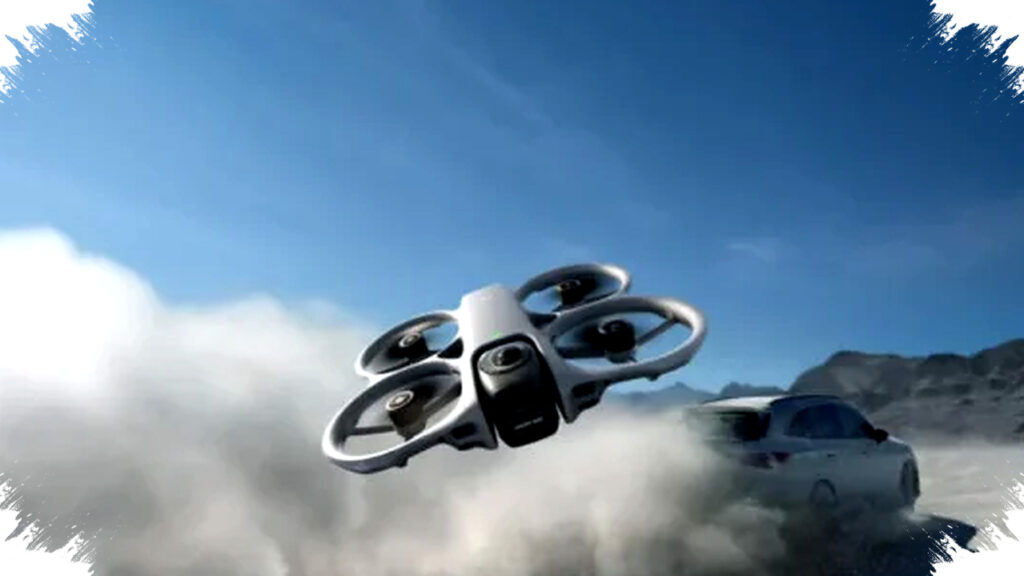
DJI has officially introduced the Avata 360, a new drone aimed at creators who want more flexibility in how they capture and edit footage. The model stands out with 8K 360-degree video recording and a claimed 120MP photo output, placing it squarely in the fast-growing immersive-content category.
The launch matters because demand for 360 content keeps rising across social platforms, travel videos, and short-form storytelling. DJI is positioning the Avata 360 as a compact FPV-style drone that can record everything first and let users decide the framing later, which is a major workflow advantage for content makers.
A 360 Drone Built for Reframing
The biggest appeal of the Avata 360 is not only its resolution, but also the way it changes the editing process. Instead of locking the creator into one fixed angle, the drone captures the full scene and allows the user to choose the best perspective during post-production.
That approach is useful for creators who publish on multiple platforms. A single flight can be turned into several clips with different compositions, which saves time and increases content output without needing repeated flights.
Key Camera Specs
DJI builds the Avata 360 around a dual-lens system paired with a square 1/1.1-inch CMOS sensor. Each sensor uses 2.4-micron pixels, a design choice that should help improve low-light performance and reduce visible noise in challenging lighting.
The image pipeline also supports 120MP still photos, which gives the drone a high-resolution edge for landscape, travel, and action shots. In video mode, DJI says the drone can record full 360-degree HDR footage at 8K and 60 frames per second, while a more traditional single-lens mode offers 4K at 60fps.
What Creators Get in Practice
For many users, the practical value of a 360 drone comes down to how much freedom it offers after takeoff. One recording can generate multiple angles, and that means one flight can serve as the source for a full social media package.
The workflow can be summarized like this:
- Record the scene from every direction in 360 mode.
- Choose the best angle later during editing.
- Export multiple versions for different platforms or formats.
- Reuse one flight to produce more content with less reshooting.
This method is especially attractive for vloggers, filmmakers, and brands that need fast production without sacrificing visual variety.
FPV Design Meets Everyday Use
Although 360 cameras are not new, DJI has packaged the concept into a compact FPV drone that is easier to use in day-to-day shooting. That makes the Avata 360 suitable not only for professionals, but also for hobbyists who want a more portable tool for creative aerial work.
The compact form factor should help in tighter locations and make transport easier. DJI appears to be targeting users who want advanced capture tools without moving into a bulky or complicated platform.
Safety and Flight Features
DJI also equips the Avata 360 with omnidirectional obstacle detection. That means the drone can sense objects from multiple directions, which should lower the risk of collisions during flight.
The drone also includes ActiveTrack 360° and Spotlight Free, two software tools designed to keep a subject in view automatically. These features are valuable when the operator wants to follow a moving subject without manually adjusting the drone’s position every second.
Transmission, Range, and Battery Life
On the flight side, DJI uses its O4+ transmission system, which supports 1080p 60fps live video feed. The rated transmission range reaches up to 20 kilometers, giving users a strong monitoring link for long-range shooting.
Battery life is rated at up to 23 minutes per charge, which is respectable for a feature-rich FPV drone. The unit weighs around 455 grams, keeping it relatively light for a device that carries advanced imaging and safety systems.
More Practical Details
DJI adds several features that should improve the ownership experience. The front lens can be replaced if damaged, which may reduce repair costs and help extend the life of the device.
The drone also includes 42GB of internal storage, enough for high-resolution clips and stills, while Wi-Fi 6 support should improve file transfer speed and stability. For creators with busy workflows, that can make a noticeable difference when moving media from drone to laptop or mobile device.
Launch Timing and Price
DJI officially launched the Avata 360 on March 26, with initial availability starting in China. A wider global rollout is expected to follow, although DJI has not yet detailed the full international release schedule.
The drone is priced at around $531 or $596, based on the reported £409 and €459 launch pricing. At that level, DJI is clearly trying to offer a competitive package for creators who want 360 capture, high resolution, and FPV-style handling in one device.
Why the Avata 360 Stands Out
The Avata 360 enters a market where immersive video tools are becoming more relevant for both professionals and everyday creators. DJI’s combination of 8K 360 video, 120MP photos, obstacle sensing, and reframing flexibility gives the drone a strong commercial pitch.
For users who value creative control, the strongest advantage may be the ability to decide the final shot only after the flight is complete. That approach can reduce missed moments, improve storytelling choices, and open up new ways to use aerial footage across video platforms, short-form content, and branded productions.