The rise of AI cameras has changed what people expect from a phone in 2026. Many buyers now look for sharper low-light shots, better skin tones, stronger stabilization, and smarter scene processing in one device.
That shift has pushed smartphone brands to compete not only on megapixels, but also on AI tools that refine every frame in real time. Based on the reference article and current mobile imaging trends, these five phones stand out as some of the best AI camera options for mobile photography in 2026.
Why AI cameras matter in mobile photography
AI now plays a central role in how a phone captures and processes images. It can improve exposure, reduce noise, sharpen details, and balance colors automatically, which helps ordinary users produce more polished photos without manual editing.
This matters most in difficult conditions such as night scenes, backlit portraits, and fast-moving subjects. In many cases, the difference between an average camera phone and a strong AI camera is not just the sensor size, but how well the software and hardware work together.
1. Redmi Note 13 Pro 5G
The Redmi Note 13 Pro 5G remains one of the most interesting choices for users who want a high-resolution main camera with AI support. It uses a 200 MP main camera with OIS, and the AI Pixel Binning 16-in-1 system is designed to help produce brighter images.
This combination is especially useful for low-light photography and extreme macro shots. The phone also carries a 6.67-inch AMOLED display with a 120Hz refresh rate, which makes photo review and content creation feel smooth on the screen.
2. Vivo V27e
The Vivo V27e is aimed at users who prioritize portraits and selfie quality. Its rear camera uses a 64 MP sensor with Aura Light Portrait, while the front camera offers 32 MP resolution for clearer self-portraits and video calls.
Vivo also adds AI Night Portrait and AI Face Beauty to improve results in dim environments and human subjects. With 4K video recording support, this model fits users who want a practical phone for vlogging, social media content, and everyday mobile photography.
3. Realme 13+ 5G
Realme 13+ 5G uses a 50 MP Sony LYT600 main camera, which gives the device a strong base for sharp and consistent photos. The phone adds AI Scene Enhancement and Nightscape Mode to help the camera adjust more intelligently to different shooting conditions.
The reference data highlights that this model can produce natural noise levels in night shots, which is an advantage for users who often shoot after sunset. That makes it a solid option for mobile photography users who want balanced results without overly processed images.
4. Samsung Galaxy M54 5G
Samsung Galaxy M54 5G is positioned as a reliable mid-range camera phone with a more versatile setup. It carries a 108 MP main camera with OIS and a 32 MP front camera, giving it strong potential for both stills and video.
Samsung also includes AI Detail Enhancer and Scene Optimizer, two features that improve image clarity and scene recognition. For users who want dependable photos across different conditions, this phone offers a well-rounded package with a familiar Samsung imaging approach.
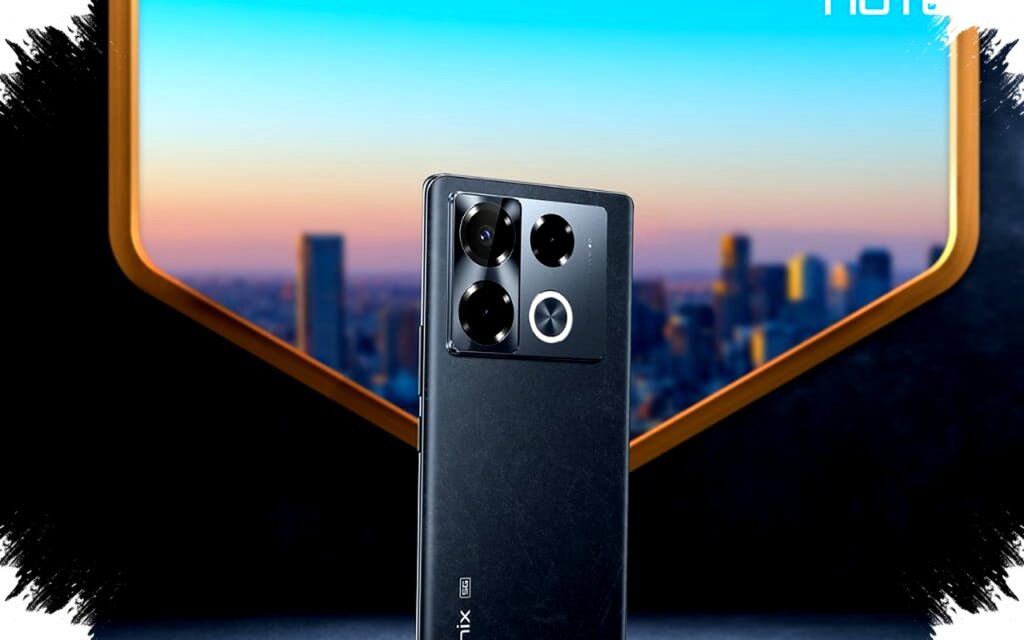
5. Infinix Note 40 Pro
The Infinix Note 40 Pro focuses on camera sharpness and practical AI tools in a design that targets value-conscious buyers. It uses a 108 MP main camera and adds AI features such as night mode and HDR AI, along with 4K video recording.
According to the reference article, the phone delivers clearer color output and is suitable for travel photography. That makes it appealing for users who want a phone that can handle landscapes, city scenes, and everyday sharing without needing extra hardware.
Quick comparison of the five phones
| Phone | Main Camera | Key AI Features | Best For |
|---|---|---|---|
| Redmi Note 13 Pro 5G | 200 MP | AI Pixel Binning 16-in-1, OIS | Low light, detail, macro |
| Vivo V27e | 64 MP | AI Night Portrait, AI Face Beauty, Aura Light Portrait | Portraits, selfies, vlogging |
| Realme 13+ 5G | 50 MP | AI Scene Enhancement, Nightscape Mode | Natural night shots |
| Samsung Galaxy M54 5G | 108 MP | AI Detail Enhancer, Scene Optimizer | All-round photography |
| Infinix Note 40 Pro | 108 MP | Night mode, HDR AI, 4K video | Travel and everyday use |
What to check before buying an AI camera phone
Before choosing one of these devices, buyers should look beyond megapixel count alone. A camera with a large sensor, OIS, and reliable AI processing usually performs better than one that only advertises high resolution.
- Prioritize OIS to reduce blur in photos and videos.
- Check the sensor brand, since Sony and ISOCELL often deliver strong image quality.
- Make sure the chipset and RAM can handle AI processing smoothly.
- Look for useful extras such as night mode, HDR, and portrait AI.
These factors matter because AI tools work best when the phone has enough processing power to support them. Without that balance, advanced camera features may look good on paper but feel less consistent in daily use.
How these phones fit different users
The best AI camera phone depends on the kind of photography you do most often. Users who shoot in low light may prefer the Redmi Note 13 Pro 5G, while portrait and selfie users may find the Vivo V27e more attractive.
For those who want a more balanced option, the Samsung Galaxy M54 5G and Realme 13+ 5G offer strong camera systems with practical AI support. The Infinix Note 40 Pro, meanwhile, gives users a useful mix of 108 MP resolution, HDR AI, and 4K video for travel and casual content creation.
The broader trend is clear: AI has become part of the standard camera experience on modern smartphones. As brands keep refining scene detection, night imaging, portrait enhancement, and stabilization, mobile photography in 2026 will continue to move closer to the quality many users once expected only from larger dedicated cameras.