


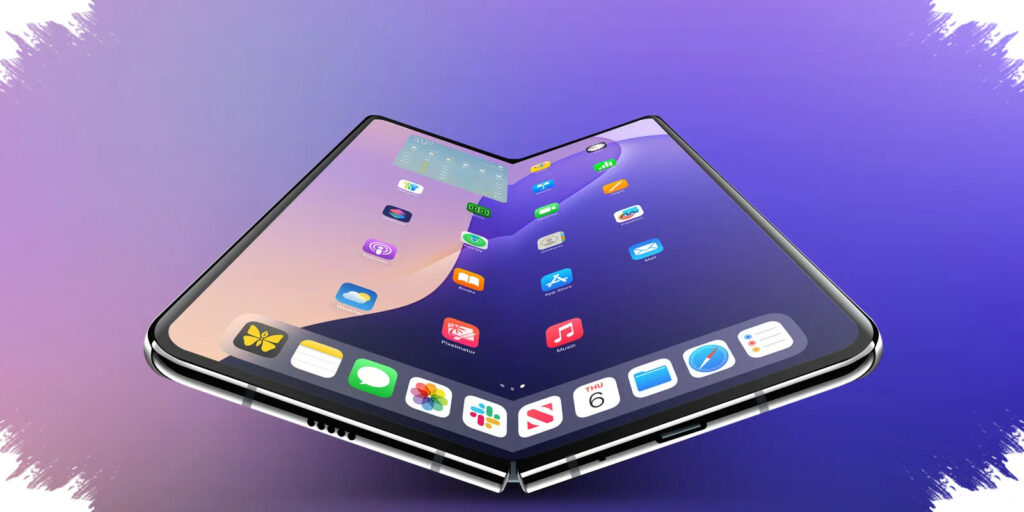
Apple’s first foldable iPhone is now being linked to the name iPhone Ultra, according to a recent tip from well-known Weibo leaker Digital Chat Station. If accurate, the branding would place the device at the very top of Apple’s lineup and signal that the company wants its foldable to feel more exclusive than a standard iPhone.
The rumor also suggests a possible launch as early as the second half of 2026, which matches growing speculation that Apple is finally preparing to enter the foldable market in a major way. That timing would put Apple in direct competition with premium foldables from Samsung, Huawei, Xiaomi, and other Chinese vendors that have already spent years refining the category.
Why the “Ultra” name matters
Apple has used the word “Ultra” before to describe its most advanced products, including high-end chips and the Apple Watch Ultra line. Bringing that naming strategy to a foldable iPhone would immediately frame the device as a luxury-tier product rather than just another experimental smartphone.
That positioning matters because the foldable market is no longer a niche for early adopters only. Buyers now expect better hinges, thinner bodies, smarter multitasking, and fewer compromises in battery life and durability, so a name like Ultra can help Apple justify a higher price and a more premium identity.
Chinese brands are already reacting
The leak has reportedly triggered interest among Chinese smartphone makers, which often move quickly when Apple shifts market language. Digital Chat Station claims that some vendors are now considering the “Ultra” suffix for their own wide-format foldables to avoid looking less ambitious than Apple.
This is not a small branding exercise, because premium phone names shape consumer perception before a product is even announced. A label like Ultra suggests stronger performance, higher-end materials, and advanced imaging hardware, all of which are key selling points in the current flagship race.
What Apple may be trying to signal
Apple usually enters a category after it believes the product can meet its internal standards for software polish and hardware reliability. In the foldable space, that likely means the company is focused on minimizing visible crease issues, improving hinge endurance, and ensuring the interface works smoothly across folded and unfolded states.
The company also tends to build premium narratives carefully, and “Ultra” would fit that approach. Instead of presenting a foldable as a novelty, Apple may want users to see it as the most advanced expression of the iPhone experience, especially if the phone combines a large internal display with software made for multitasking and media consumption.
How rivals are shaping the next premium foldable race
Competitors are not waiting for Apple to define the category, and that is pushing the entire industry upward. Huawei is already rumored to be working on a Pura X2 model with a 7.69-inch WQHD+ internal display and a wider aspect ratio, while also potentially using the Kirin 9030 chip.
Xiaomi could also join the naming race if it decides to launch a MIX Fold Ultra model. In China’s premium phone market, naming is often tied to engineering ambition, and brands use it to show that they are competing on the same level as Apple rather than simply following trends.
Possible direction for the iPhone Ultra
While Apple has not confirmed anything, the leaks point to a device that would likely emphasize design efficiency, software optimization, and high-end materials. If the company wants the foldable to earn the Ultra badge, it will need to deliver more than a flexible screen and a luxury price tag.
Here are the features that industry watchers expect to matter most:
- A durable hinge with a long cycle life and reduced screen stress.
- A large inner display optimized for multitasking, video, and productivity.
- Strong battery performance to support power-hungry foldable use.
- Camera hardware that can compete with Android flagships.
- iOS updates designed specifically for foldable form factors.
These expectations are high because the Ultra name raises standards immediately. Apple would not want the device to be remembered as just a foldable iPhone; it would need to feel like a new flagship class altogether.
What the timing could mean for Apple’s strategy
A foldable launch in the second half of 2026 would give Apple time to study the market longer than most rivals did. That delay could actually work in its favor, because the company can learn from the hinge problems, software issues, and battery trade-offs that earlier foldables faced.
It would also fit Apple’s habit of arriving late but polished. If the iPhone Ultra arrives with better integration across apps, smoother animations, and a more robust build than existing foldables, Apple could quickly turn its late entry into a market advantage.
A premium category with global pull
The bigger story is not only the name itself, but the market response it is already creating. Apple’s influence remains strong enough that even a rumor can pressure rivals to rethink product naming, hardware priorities, and launch positioning.
That kind of effect shows how important the foldable segment has become for premium smartphone branding. If Apple does use the iPhone Ultra name, it could redefine what consumers expect from a foldable phone and push competitors to respond with even more aggressive hardware and marketing plans.