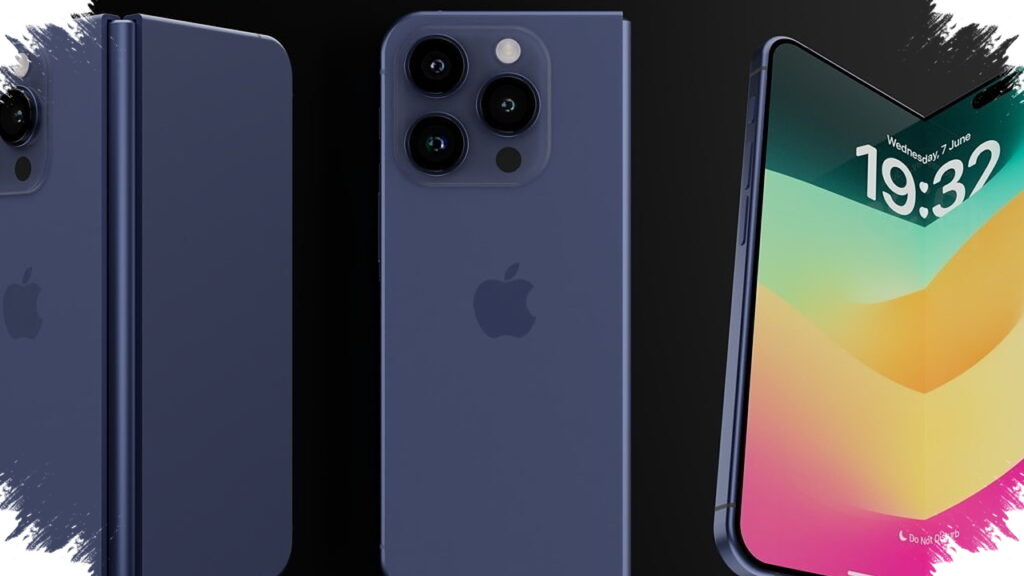
Apple’s long-rumored foldable iPhone is now being linked to a September 2026 launch, according to a new report cited by Bloomberg. The device, often referred to as the iPhone Fold, is expected to arrive alongside Apple’s next major iPhone cycle, although earlier reports suggested the project might face another delay.
The latest update follows a Nikkei Asia report that pointed to development challenges during testing. Bloomberg’s Mark Gurman, however, said Apple still plans to move ahead with a September debut, with the company reportedly aiming for a release around the same time as, or not long after, the iPhone 18 Pro and iPhone 18 Pro Max.
What the September timeline means for Apple
A September launch would fit Apple’s usual iPhone release window, which often gives the company its biggest stage of the year. If the foldable iPhone joins that lineup, Apple could use the event to signal that it is entering the foldable market with a device meant to compete directly with Samsung’s Galaxy Z series and foldables from Chinese brands.
Industry watchers have followed Apple’s foldable plans for years, but the company has taken a slower approach than rivals. That strategy reflects Apple’s focus on hardware polish, supply-chain readiness, and long-term reliability rather than being first to market.
The report also suggests that Apple may face initial supply limitations because of the device’s complexity. That would not be unusual for a first-generation product, especially one that combines advanced hinge mechanics, new display technology, and strict quality requirements.
Why the iPhone Fold matters in the foldable market
Apple’s entry would likely reshape consumer expectations for foldable phones. Samsung has led the category for years, while brands such as Honor, Huawei, Oppo, Vivo, and Xiaomi have pushed design and durability improvements in China and other markets.
Apple usually enters a category after it matures enough for the company to apply its own design standards. That pattern has helped Apple deliver products that feel more refined at launch, though often at the cost of arriving later than competitors.
The foldable iPhone could also help Apple widen its premium hardware lineup at a time when smartphone upgrades have become less dramatic year to year. A foldable model would offer a more visible change in form factor, which may appeal to users who want something more distinctive than a standard slab-style phone.
Reported advantages Apple is targeting
According to the reference report, Apple has worked to solve key problems that still affect many foldable phones, especially display quality and overall durability. The company is also said to be aiming for a crease that is less noticeable when the device is unfolded.
Those details matter because current foldable phones still face consumer skepticism in several areas. Many buyers remain concerned about hinge wear, screen fragility, visible creases, and long-term repair costs.
Here are the main challenges Apple appears to be addressing:
- Display durability under repeated folding.
- A hinge design that feels stable and smooth.
- A less visible crease in the center of the display.
- Better long-term reliability than early foldable rivals.
- A supply chain capable of producing high-end components at scale.
If Apple can improve even two or three of those areas, the company may be able to position the iPhone Fold as the most polished foldable phone on the market at launch.
How Apple’s timing could affect competitors
A September unveiling would place Apple directly in competition with the latest foldable devices already on the market or arriving earlier in the year. That timing may intensify pressure on Samsung, which has spent years refining its book-style and clamshell foldables.
Chinese smartphone makers could also feel the impact, especially in premium markets where Apple remains a top aspirational brand. A foldable iPhone would likely attract strong attention from consumers who have held back on buying foldables because they preferred to wait for Apple’s version.
At the same time, Apple’s late entry may work in its favor. The foldable category has already moved past its experimental phase, and today’s shoppers expect better screens, thinner frames, stronger hinges, and more practical software behavior.
What buyers should watch before launch
Even with reports pointing to a September 2026 debut, several details remain unconfirmed. Apple has not publicly announced the device, and supply-chain reports can change as prototypes move through testing and production planning.
These are the key points consumers should monitor next:
| Factor | Why it matters |
|---|---|
| Launch timing | Confirms whether Apple keeps the September schedule |
| Display quality | Reveals how Apple handles the crease and durability issues |
| Production scale | Indicates whether supply will be limited at first |
| Price positioning | Shows where Apple plans to place the device in its premium lineup |
| Software support | Determines how the foldable form factor will be used in iOS |
Pricing remains one of the biggest unknowns, but a foldable iPhone would almost certainly sit at the top end of Apple’s product range. Given the complexity of the hardware, analysts would expect it to cost well above standard iPhone models, even if Apple later expands the lineup.
Apple’s foldable strategy could define the next iPhone chapter
If the September report proves accurate, Apple would be making one of its most important product moves in years. The company would not just be launching a new phone; it would be entering a category that has been shaped by rivals for nearly a decade.
For Apple, the challenge is not only to release a foldable phone, but to release one that feels unmistakably complete. That means balancing industrial design, battery life, display engineering, and the software experience that will determine whether the iPhone Fold feels like a niche experiment or a mainstream premium device.
The coming months should bring more clarity as supply-chain signals, component reports, and production clues continue to surface. For now, the strongest message from the latest Bloomberg-linked reporting is that Apple is still moving toward a foldable iPhone debut in September, even as questions remain about how much inventory the company can build before launch.