


The used electric motorcycle market is starting to gain real traction in 2026 as more early adopters trade in older units for newer models. For buyers, that creates an opportunity to get a lower entry price, but it also raises one important question: how do you avoid buying a bike that looks cheap today but becomes expensive later?
The answer is technical inspection, not just a low sticker price. In electric motorcycles, the battery and the drive motor are the two components that matter most, because they determine long-term performance, safety, and replacement costs.
Why the used EV market matters in 2026
Industry observers say the growing number of second-hand electric motorcycles signals a more mature EV ecosystem. More units are entering the market because owners who bought early are now upgrading to newer models with better range, smarter features, or improved charging systems.
That shift is important for consumers, but it also changes the risk profile. Unlike conventional motorcycles, where engine condition often gets the most attention, electric motorcycles depend heavily on battery health, controller quality, wiring integrity, and the condition of the electric drive unit. A bike with a clean exterior can still carry a hidden battery problem that cuts its usable value sharply.
The battery is the first component to inspect
Battery condition should be the first thing a buyer checks before discussing price. Technical sources in the EV sector consistently note that battery capacity declines over time and through charge cycles, even if the damage is not visible from the outside.
A simple first test is to compare the claimed range with real-world performance. If a used motorbike cannot come close to the original factory range under normal riding conditions, that is a warning sign. A large gap between brochure figures and actual output usually means the battery has already degraded.
Physical inspection also matters. Look for swelling, heat marks, cracks in the casing, or any sign of leakage. Specialist workshops say visible damage often points to deeper problems, including reduced performance and potential safety risk. If the battery housing has been repaired, repainted, or opened before, buyers should ask why.
Key battery checks before you buy
- Ask for the original range specification from the manufacturer.
- Test the bike on a real route, not only in a showroom.
- Check whether the battery heats up unusually fast.
- Inspect the casing for swelling, cracks, or impact marks.
- Confirm whether the battery has been repaired or replaced before.
Do not ignore the electric drive motor
The drive motor, often called the dinamo in local markets, must also be tested carefully. Electric motors usually run smoothly, so unusual noise, vibration, or delayed response deserves attention.
A healthy drive unit should deliver steady acceleration without jerks. If the bike hesitates when starting, loses power suddenly, or feels inconsistent under load, the issue may be in the motor itself or in the controller that manages power delivery. Technical reports note that these components are not always cheap to replace, even if they rarely fail.
A proper test ride is the best way to evaluate this system. Buyers should pay attention to how the bike responds from a standstill, how it behaves at medium speed, and whether power delivery stays stable when climbing or carrying a passenger.
Electrical systems can reveal hidden problems
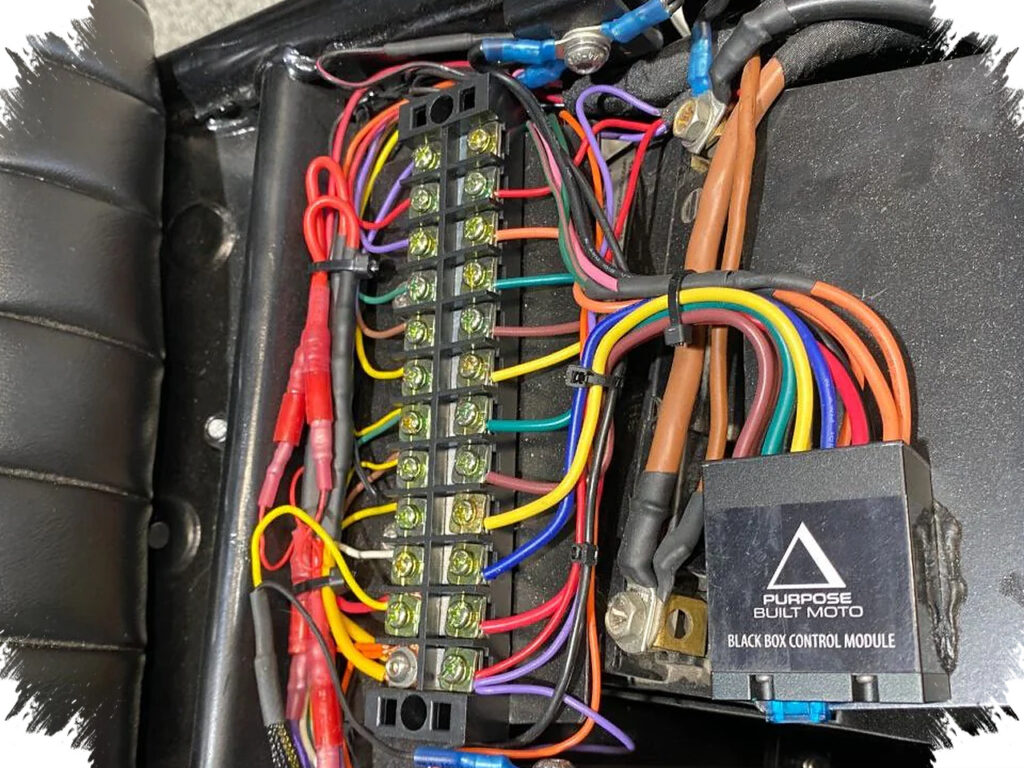
Beyond the battery and motor, the full electrical system needs a close look. Wiring, connectors, the charging port, and the controller should all be clean and intact.
Even small faults in the electrical network can affect charging speed, range, and ride quality. Industry sources warn that minor cable issues or moisture damage can grow into bigger failures if ignored. Buyers should also confirm that the charging process works normally and that the socket and charger interface do not show burn marks or looseness.
A short inspection checklist can help reduce risk:
| Component | What to check | Warning sign |
|---|---|---|
| Battery | Range, heat, casing condition | Weak range, swelling, damage |
| Drive motor | Smooth acceleration, sound, vibration | Noise, jerkiness, delay |
| Controller | Power response, stability | Sudden cut-off, erratic output |
| Wiring | Clean connectors, no corrosion | Loose cables, burn marks |
| Charging system | Fast and normal charging | Failed charging, overheating |
Usage history can change the deal
The history of use is another factor that buyers often overlook. A motorcycle that was used hard every day will usually have more wear than a unit used occasionally for short trips.
That is why service records, previous ownership details, and charging habits matter. Transparent records help buyers estimate battery health more accurately and judge whether the asking price is realistic. If the seller cannot explain how the bike was used, who maintained it, or when key components were last serviced, the deal deserves extra caution.
Price should reflect technical condition, not just appearance
Used electric motorcycles can look attractive because the initial price is lower than a new unit. But industry data shows that battery replacement can represent a large share of the vehicle’s total value, which makes it the biggest financial risk for buyers.
That means a slightly more expensive unit with a healthy battery can be far safer financially than a cheaper bike with hidden degradation. In a market that is still developing, the smartest purchases will be based on evidence, test rides, and component checks rather than styling or seller promises.
What buyers should prioritize in 2026
- Battery health and real range.
- Drive motor smoothness during acceleration.
- Controller and wiring condition.
- Charging performance and socket safety.
- Service history and honest usage records.
As the used electric motorcycle market expands in 2026, buyers have more options than before, but they also face more technical variables. A careful inspection of the battery, drive motor, and electrical system remains the most effective way to keep the purchase profitable and ensure the bike can still deliver practical daily use.