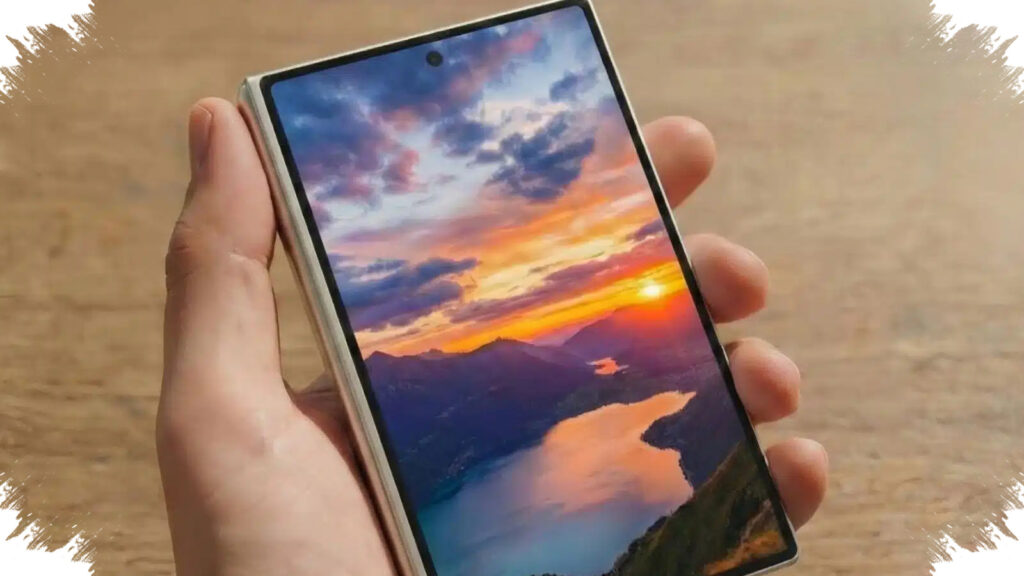
Samsung is reportedly preparing a new direction for its foldable lineup, and the rumored Galaxy Z Wide Fold is drawing attention for one key reason: its main display may use a 4:3 aspect ratio. If accurate, that choice could make the device feel much closer to a tablet when unfolded, changing how users think about Samsung’s next premium foldable.
The early details come from firmware traces in One UI 9, where a device labeled SM-F971B reportedly appeared. That discovery has strengthened speculation that the Galaxy Z Wide Fold is moving beyond the concept stage and into active development.
A foldable that may prioritize tablet-style use
The 4:3 aspect ratio stands out because it has long been associated with tablets rather than phones. That layout usually offers a wider working area, which can make reading, document editing, web browsing, and split-screen use feel more natural.
For foldable users, that could matter in daily use. A wider inner display may reduce the cramped feeling some book-style foldables still have when multiple apps are open at once.
- The unfolded view may feel more spacious for productivity.
- Websites and documents may fit the screen more comfortably.
- Split-screen multitasking could become easier to use.
- Video playback may look more balanced in landscape mode.
- The device could deliver a clearer tablet-like experience than many current foldables.
For comparison, the Oppo Find N3 uses a 10:9 aspect ratio, which is closer to a square shape. A 4:3 panel would push the Galaxy Z Wide Fold toward a more horizontal format, creating a different feel from many recent foldables on the market.
Firmware clues suggest real progress
PhoneArena reported on April 7, 2026, that the device image appeared inside One UI 9 firmware. That kind of finding often signals that a product is already moving through a serious development phase, since device-related assets usually appear later in the process.
The SM-F971B identifier also matters because Samsung has not officially confirmed the product name. Even so, the appearance of the model in firmware makes the rumor more credible than a typical early concept leak.
Why the 4:3 format is getting so much attention
There is also a broader industry angle. Rumors around a foldable iPhone have pointed to a similar 4:3 display direction, which has led some observers to think Samsung may be responding to the same usability trend.
That does not necessarily mean Samsung is copying a rival. The bigger issue is that many foldable buyers want a device that feels efficient for work, reading, and multitasking, not only one that folds into a pocket-friendly shape.
What the rumored design could change
A wider internal screen could affect the user experience in several practical ways. The biggest benefit would likely come from everyday tasks rather than flashy visuals alone.
| Possible effect | What it could mean |
|---|---|
| Wider display area | More room for apps and content |
| Better multitasking | Split-screen may feel less cramped |
| Tablet-like posture | Unfolded use could feel closer to a compact tablet |
| Improved readability | Text and web pages may be easier to view |
Samsung has already experimented with bold foldable concepts before, including the Galaxy Z TriFold. Still, that design direction has not yet proven it can attract a broad mainstream audience.
A more measured strategy from Samsung
The latest rumor suggests Samsung may prefer to test a new form factor through a separate model instead of changing the main Galaxy Z Fold line too aggressively. That approach would let the company keep its core foldables familiar while gathering feedback on a wider design.
According to the reports now circulating, the Galaxy Z Wide Fold could launch alongside the Galaxy Z Fold 8 and Galaxy Z Flip 8. If that happens, Samsung would have a chance to compare user response across three different foldable ideas in one cycle.
What stands out in the leak so far
The most notable points tied to the Galaxy Z Wide Fold are already clear even if many specifications remain unknown. The device is said to have a 4:3 main display, a more tablet-like unfolded experience, and early software references tied to Android 17 and One UI 9.
There are still open questions around dimensions, hinge behavior, and whether Samsung will reduce the visible crease. But if the company truly aims to make foldables more productive and more tablet-like, this rumored model could become one of the most important Samsung devices to watch in the next generation of foldables.