Samsung has started rolling out a new security update for Galaxy phones that fixes 14 critical issues across the Android framework and Samsung’s own software stack. The patch arrives earlier than many users expected and is now becoming one of the most important April security releases for the Galaxy ecosystem.
The update matters because Samsung does not push security patches to every device at the same time. Distribution depends on the model, region, and carrier, which means millions of Galaxy owners may receive the firmware on different days even if they are all eligible for the same protection.
What the April Galaxy security update fixes
The latest package combines fixes from Google and Samsung, with the most urgent issues classified as critical. One of the key concerns is CVE-2026-0049, which Google described as a critical Android framework flaw that “could lead to local denial of service with no additional execution privileges needed” and requires “no user interaction” to exploit.
That detail makes the patch especially important for everyday Galaxy users. A flaw that can be triggered without extra privileges or a tap from the owner creates a risk for phones used for messaging, banking, work apps, and private data storage.
Samsung also added several high-severity fixes beyond the 14 critical items. Some of those patches address semiconductor-related components built by Samsung, which are tracked separately in the company’s monthly security bulletin.
Why Galaxy owners should not delay
Security updates often look routine, but this release helps close weaknesses that are already publicly known. Devices that stay on an older build can remain exposed longer, especially while attackers actively look for unpatched phones and tablets.
There is also no need to panic if the update has not appeared yet. Samsung says the rollout will “drip feed to devices” over the course of a month, so delivery can happen gradually rather than all at once.
- It closes publicly disclosed critical vulnerabilities.
- It reduces the risk of system crashes and local denial of service.
- It protects devices from attacks that do not require user interaction.
- It brings Galaxy firmware in line with Google’s latest Android fixes.
For users who rely on their phone for daily communication and payment apps, staying current is one of the simplest ways to reduce risk. A delayed update may sound harmless, but it keeps a known security gap open for longer than necessary.
Which Galaxy devices are expected to get it
Not every Galaxy model receives monthly security updates forever. Samsung ends support for older devices after a defined period, which means some phones no longer qualify for regular patches.
The rollout usually begins with newer flagship models and then expands to other supported devices based on carrier and regional availability. That staggered approach can make the process feel uneven, but it is normal for Samsung’s update system.
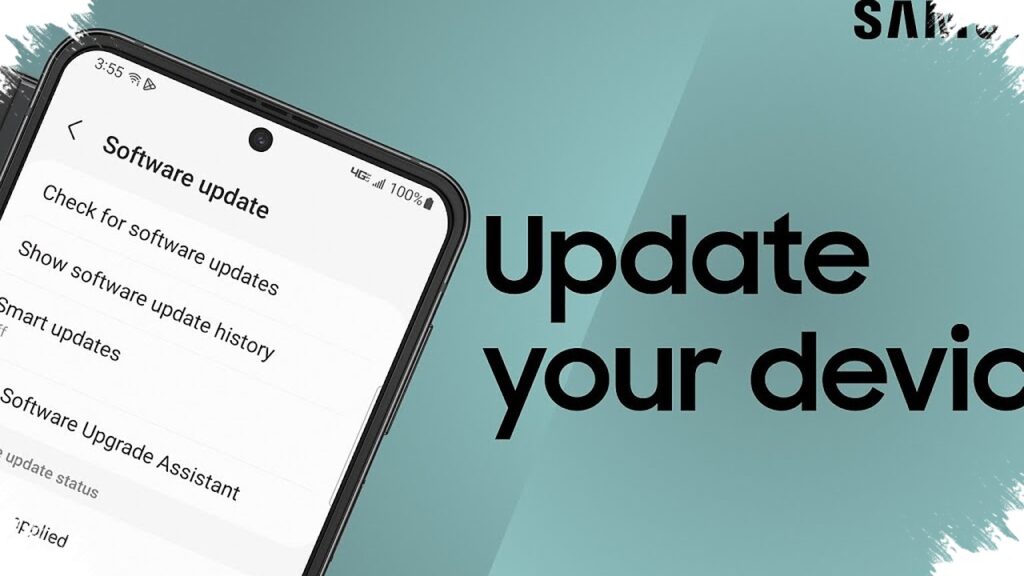
Users with supported devices should check manually if the notification has not arrived. Samsung notes that the installation process will restart the phone once the firmware is applied, so a few minutes of downtime may be needed.
How to check for the update on a Galaxy phone
The process is straightforward and can be completed in minutes from the settings menu. Users do not need a computer or a special tool to verify whether the patch is available.
| Step | Action |
|---|---|
| 1 | Open Settings |
| 2 | Tap Software update |
| 3 | Select Download and install |
| 4 | Wait for the firmware to finish downloading |
| 5 | Tap Install/Restart now |
What this means for millions of Galaxy users
This release is part of Samsung’s regular security program for a very large installed base of Galaxy devices. For supported models, installing the update as soon as it becomes available remains the most direct way to reduce exposure to critical Android and Samsung-specific flaws.
As the April rollout continues across regions and carriers, Galaxy owners should keep checking the update menu and install the firmware once it appears, especially on devices that still receive monthly security support.