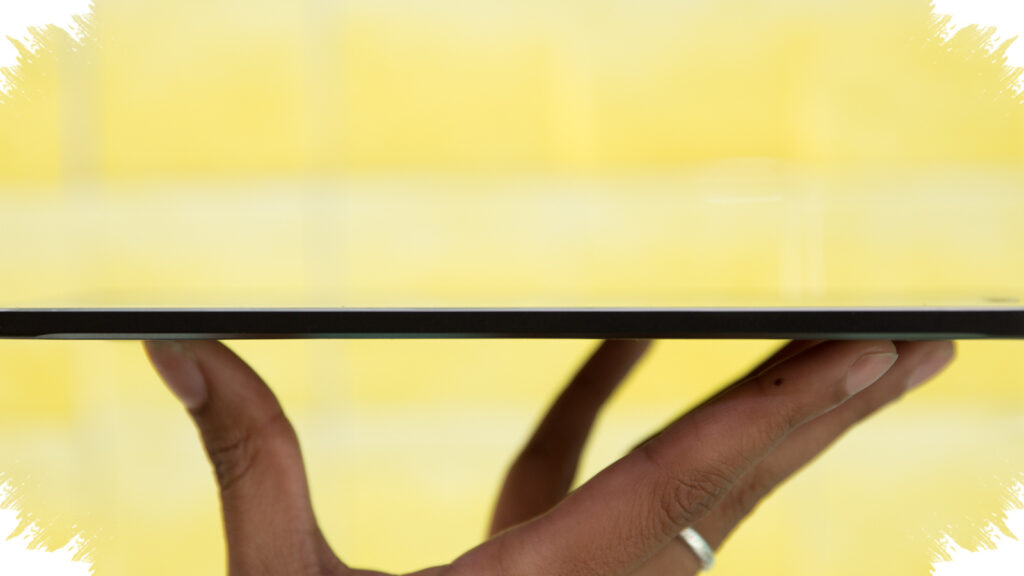
Designers in 2026 are increasingly moving away from bulky laptops and toward thin tablets that are easier to carry, faster to open, and strong enough for creative work. The new demand is simple: a light device that can handle sketching, photo editing, social publishing, and multitasking without turning a backpack into extra baggage.
That shift is why thin tablets have become one of the most practical tools for illustrators, graphic designers, video editors, and remote creators. Many of the latest models now offer high-resolution displays, refresh rates up to 144Hz, stylus support, and chipsets that push them closer to “PC-level productivity” for everyday creative workflows.
Why thin tablets matter for creative work
Thin tablets now solve a core problem for mobile creators: performance loss from carrying heavy hardware. A good tablet lets users move from sketch to edit to publish in one device, which speeds up small-team production and freelance workflows.
Industry trends in 2026 also show that tablet makers are focusing on portability and AI-assisted productivity. That means creators can expect better multitasking, cleaner writing tools, smarter image workflows, and smoother app switching on premium and mid-range devices.
6 thin tablets designers should know in 2026
Samsung Galaxy Tab S11
This model stands out for its 11-inch AMOLED display and a body that measures about 5.5 mm thin. It also includes the S Pen in the box, which makes it a strong option for sketching, note-taking, and precision design work.Xiaomi Pad 7
The Xiaomi Pad 7 uses an 11.2-inch 3.2K display with a 144Hz refresh rate and the Snapdragon 7+ Gen 3 chipset. With 8GB RAM and a starting price of about $335, it offers a balanced mix of speed and value for creative users.Xiaomi Pad 8
The newer Xiaomi Pad 8 steps up performance with the Snapdragon 8s Gen 4 and a 3.2K 144Hz screen. Its 9,200mAh battery makes it more appealing for long editing sessions, and the starting price is around $456.Apple iPad Air M4
Apple’s iPad Air M4 is one of the most powerful thin tablets in this group because it uses the M4 chip and iPadOS. The device is widely seen as capable of laptop-like productivity, with a starting price of about $609.Samsung Galaxy Tab A9+
For creators on a tighter budget, the Galaxy Tab A9+ remains relevant because it still offers an 11-inch display and up to 8GB RAM. Its starting price is about $207, which makes it one of the most accessible options for light design tasks and everyday content work.- Redmi Pad
The Redmi Pad brings a 10.6-inch screen and 6GB RAM at a starting price of about $207. It is not built for heavy production, but it can handle sketching, browsing, and basic creative apps well enough for students and beginner designers.
Which tablet fits each budget?
| Budget range | Best picks | Why it fits |
|---|---|---|
| $200–$350 | Galaxy Tab A9+, Redmi Pad | Affordable, light, good for basic creative tasks |
| $350–$500 | Xiaomi Pad 7 | Strong performance, high refresh rate, good value |
| $600 and above | iPad Air M4, Galaxy Tab S11 | Better for professional workflows and demanding apps |
What designers should prioritize
A tablet for creative work should not be judged by thinness alone. Display quality, stylus input, chipset performance, RAM, and battery life matter more when the device is used for design, editing, or multitasking.
For practical use, a creator should check whether the tablet supports accurate stylus input, has enough storage for large project files, and can run multiple apps without slowing down. A bright, high-resolution display also helps when editing color-sensitive visuals or reviewing details in illustrations.
How thin tablets perform in real workflows
Thin tablets work best for sketching, quick edits, cloud-based collaboration, and content publishing on the move. They also reduce friction for remote workers who need to travel often and cannot always carry a laptop workstation.
Still, there is a limit to what they can replace. For heavy 3D modeling, large renders, or long-form professional editing, a tablet is better viewed as a secondary device or mobile companion rather than a full desktop replacement.
Why 2026 is a turning point for creative users
The most important change in 2026 is not just thinner hardware, but stronger utility at lower price points. A designer can now buy a capable tablet for around $207 and still get a usable screen, decent memory, and enough speed for daily creative tasks.
At the same time, premium models like the Galaxy Tab S11 and iPad Air M4 show how far the category has moved toward serious productivity. For designers who need portability first, these tablets now offer a realistic blend of mobility, speed, and creative precision that was harder to find in earlier generations.