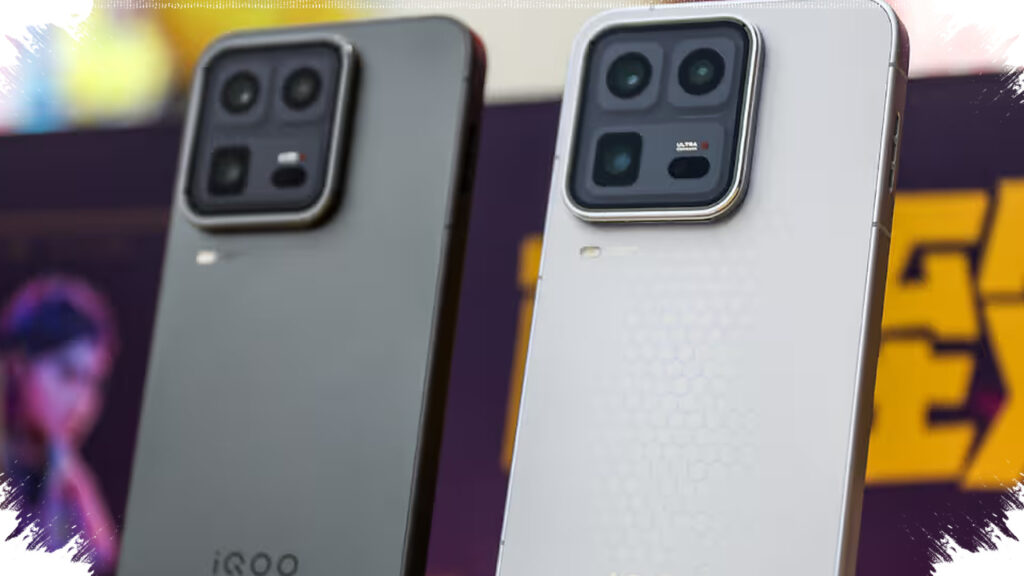
iQOO 16 is already drawing attention, even though the iQOO 15 has only recently reached the market. Early leaks suggest the next flagship could push harder on performance, display speed, and thermal management, making it one of the most closely watched Android phones for 2026.
The biggest headline centers on a rumored Qualcomm flagship chip: the Snapdragon 8 Elite Gen 6 Pro. If that rumor proves accurate, iQOO 16 could enter the next premium race with a stronger performance card than many rivals, especially if Qualcomm really ships a Pro-tier version of its 2nm platform.
A 2nm Pro Chip Could Change the Flagship Hierarchy
Tipster Digital Chat Station, posting on Weibo, says iQOO 16 may use the Snapdragon 8 Elite Gen 6 Pro. That would place the device among the first wave of Android flagships powered by a top-end Qualcomm chip built for the most demanding users.
The leaked platform is also said to be Qualcomm’s second 2nm SoC after Samsung’s Exynos 2600. Reports further suggest the chip may introduce a new cooling-related feature called Heat Path Block, or HPB, designed to keep temperatures steadier under heavy loads.
That detail matters because iQOO has built its reputation on speed-first hardware. A 2nm Pro chip would fit that brand identity well, especially for users who care about gaming, sustained performance, and smoother multitasking over long sessions.
Performance Gains May Be Smaller Than Expected
The same leak says the Snapdragon 8 Elite Gen 6 Pro may deliver less than 20 percent more performance than the Snapdragon 8 Elite Gen 5. That is not a dramatic jump on paper, but it still could matter if Qualcomm improves efficiency and heat control at the same time.
In today’s flagship market, raw benchmark numbers are only part of the story. Real-world speed also depends on software tuning, storage performance, cooling design, and how well the phone maintains output after several minutes or hours of use.
A modest gain can still shape buying decisions if it comes with lower power draw and better thermal stability. That is especially true in a market dealing with memory supply pressure, where manufacturers are trying to balance hardware ambition with cost and availability.
Display Leak Points to a Fast 2K AMOLED Panel
The rumors do not stop at the chipset. iQOO 16 is also said to keep a 2K Samsung M14 AMOLED display, similar to the panel used on iQOO 15.
What could change is the refresh rate. The current leak points to a jump from 144Hz to either 165Hz or even 185Hz, which would make the phone more aggressive than many mainstream旗舰 devices in animation fluidity and touch responsiveness.
That kind of display could appeal to mobile gamers and power users, but the practical benefit depends on software support. Not every app or game can fully use such high refresh rates, and battery efficiency will also become a key factor.
How iQOO 16 Could Stack Up Against Rivals
The leak places iQOO 16 in direct competition with devices like the OnePlus 16. Both phones may use Qualcomm’s Pro-grade chip variant, which means the contest could shift away from simple processor specs and toward cooling, camera tuning, battery life, and pricing.
If Qualcomm splits its next flagship line into standard and Pro versions, that strategy could give phone makers more room to differentiate. Brands that secure the Pro chip may gain a marketing edge in the premium segment, where small hardware advantages often influence purchasing decisions.
What Has Been Reported So Far
- Chipset: Snapdragon 8 Elite Gen 6 Pro
- Process: expected 2nm
- Cooling: possible Heat Path Block technology
- Display: 2K Samsung M14 AMOLED
- Refresh rate: possibly 165Hz or 185Hz
- Focus: high-end performance and gaming
These details remain unconfirmed, and iQOO has not announced the device officially. Camera hardware, battery size, charging speed, memory options, and design changes are still missing from the leak cycle.
Digital Chat Station has a strong track record for early smartphone rumors, but leaks can change before launch. Manufacturers often adjust components late in development, especially when they are fine-tuning performance targets or responding to supply-chain conditions.
For now, the clearest picture is that iQOO 16 is being shaped as a performance-centric flagship with a faster display and a more advanced chip platform. If the rumors stay consistent, the device could become one of the most important Android flagships of 2026, especially if iQOO manages to combine 2nm power, tighter cooling, and a high-refresh AMOLED panel in one package.