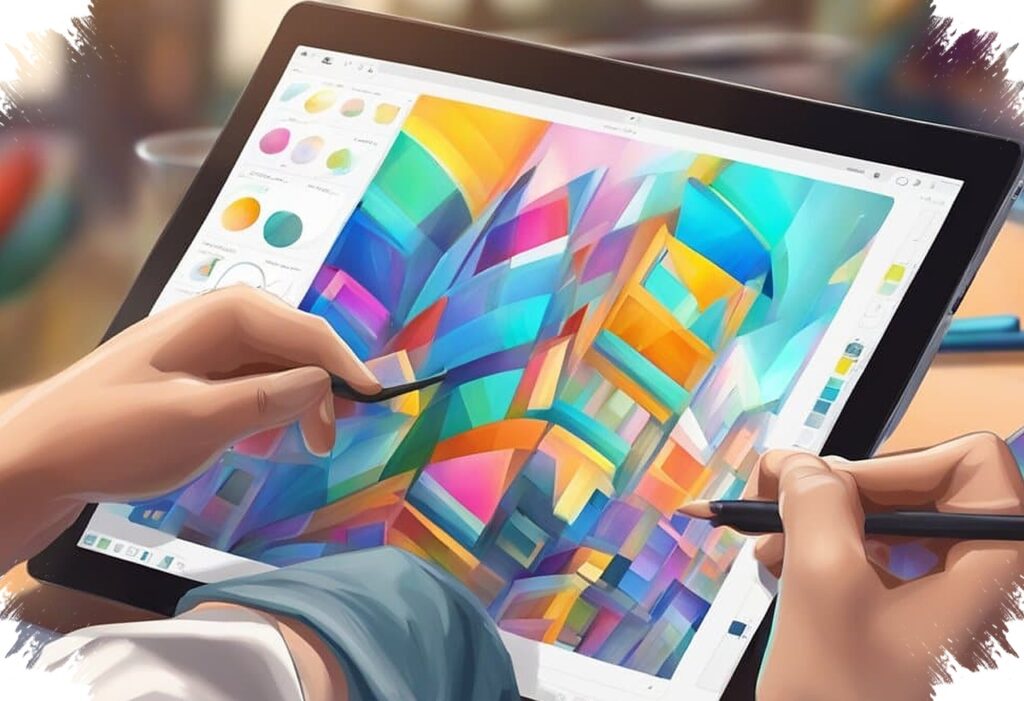
Digital animation in 2026 no longer belongs only to high-end drawing tablets or expensive laptops. More affordable WiFi tablets now offer smoother screens, enough processing power for sketching, and stylus support that makes them practical for beginner to intermediate creators.
This shift matters because animation workflows depend on quick hand-eye response, stable performance, and accurate touch input. In the current market, several tablets priced from around $105 to $235 can already handle basic frame-by-frame work, digital illustration, and light multitasking without forcing creators to overspend.
Why Mid-Range Tablets Now Fit Digital Animation
Industry trends in 2026 show that tablets have evolved from media consumption devices into tools for creative work. Many entry and mid-range models now include 90Hz to 120Hz displays, 4GB to 8GB of RAM, and improved software optimization, which helps reduce lag during drawing.
For animators, the display matters as much as the chipset. A smoother refresh rate can make strokes feel more immediate, while lower latency improves line accuracy when using a stylus for inking, sketching, or rough animation planning.
What Creators Should Look For First
A tablet for digital animation does not need to be the most expensive model, but it should feel responsive during long sessions. The most important factors are screen smoothness, stylus compatibility, and stable performance under creative apps.
- Refresh rate: Ideally 90Hz or higher for smoother pen movement
- Stylus support: Third-party stylus compatibility can be enough for entry-level animation
- RAM and storage: At least 4GB RAM for light work, while 6GB to 8GB is better for multitasking
- Screen size: 10 to 11 inches gives enough room for drawing and timeline control
- Battery life: Important for mobile creators who work outside the studio
A tablet that balances these points often gives better value than a more powerful model with a less responsive screen.
5 Best Tablets for Digital Animation in 2026
Here is a simple comparison of five tablet options that stand out in the affordable segment for animation work.
| Tablet | Display | Strength for Animation | Approx. Price |
|---|---|---|---|
| Huawei MatePad SE 11 | 11-inch Full HD | Stable for design work | $165 |
| Redmi Pad 2 | 10–11 inches | Good for light multitasking | $151 |
| Honor Pad X8a | 11-inch IPS | Efficient Snapdragon-based performance | $145 |
| OPPO Pad SE | 11-inch | Smooth UI for creative apps | $228 |
| Samsung Galaxy Tab A11+ | 11-inch | Stable ecosystem and reliable software | $208 |
These prices are based on the reference data and converted directly from Indonesian rupiah into approximate US dollars for easier comparison.
Huawei MatePad SE 11
The Huawei MatePad SE 11 is one of the most balanced choices for animators who want a large screen at a lower cost. Its 11-inch Full HD panel gives enough space for drawing panels, while its stable performance is suitable for sketching and basic frame-by-frame animation.
It is not designed as a premium art tablet, but its value is strong for new creators. At around $165, it gives users a practical starting point without pushing them into a higher budget tier.
Redmi Pad 2
The Redmi Pad 2 is aimed at users who need light multitasking and a comfortable drawing experience. Its 10 to 11-inch display size works well for mobile illustration apps, especially when users split screen between references and canvas.
At around $151, it is one of the more practical options for students and freelance beginners. The device fits creators who want to start animating without committing to a more expensive setup.
Honor Pad X8a
The Honor Pad X8a stands out for its efficient Snapdragon-based performance and 11-inch IPS screen. That combination helps keep the interface responsive while supporting everyday creative tasks such as sketching, coloring, and basic animation planning.
With a price near $145, it offers one of the lowest entry points among the five models. This makes it attractive for users who prioritize affordability but still want a tablet that feels smooth enough for visual work.
OPPO Pad SE
The OPPO Pad SE sits in a higher price bracket, but it targets users who want a cleaner and smoother interface experience. Its 11-inch display and polished UI can help reduce friction when switching between apps, layers, and timeline tools.
At about $228, it is better suited to creators who plan to use the tablet regularly for content production. The price remains far below most flagship tablets, yet it delivers a more refined day-to-day experience.
Samsung Galaxy Tab A11+
The Samsung Galaxy Tab A11+ is the most ecosystem-focused option in this list. Samsung’s software support and device integration can be useful for creators who already use Galaxy phones or cloud-based workflows.
Priced around $208, it offers a stable balanced package for animation learners and multimedia students. Its 11-inch format also keeps it comfortable for long drawing sessions and reference-heavy work.
Who These Tablets Are Best For
These tablets are most useful for creators who need a portable and affordable device for visual work. The reference data shows they are suitable for beginner to intermediate animators, freelance illustrators, content creators, and design students.
They also fit users who want to work without relying on a laptop all the time. In daily practice, that means faster sketching, easier note-taking, and more flexible editing in cafes, classrooms, or during travel.
Why Smooth Displays Matter in 2026
A smooth display can change how a tablet feels during drawing. The reference data notes that stylus experience depends heavily on screen refresh rate, stylus latency, and app optimization, and that remains true across most affordable tablets today.
Modern styluses can also provide long usage times of around 10 to 15 hours, which helps creators work through extended sessions without constant charging. For many users, that makes a mid-range tablet a realistic main device rather than just a backup tool.
The biggest advantage of these tablets is that they lower the barrier to entry for digital animation. For about $145 to $228, creators can now find devices that are responsive enough for learning, practical enough for production, and portable enough for daily use.