


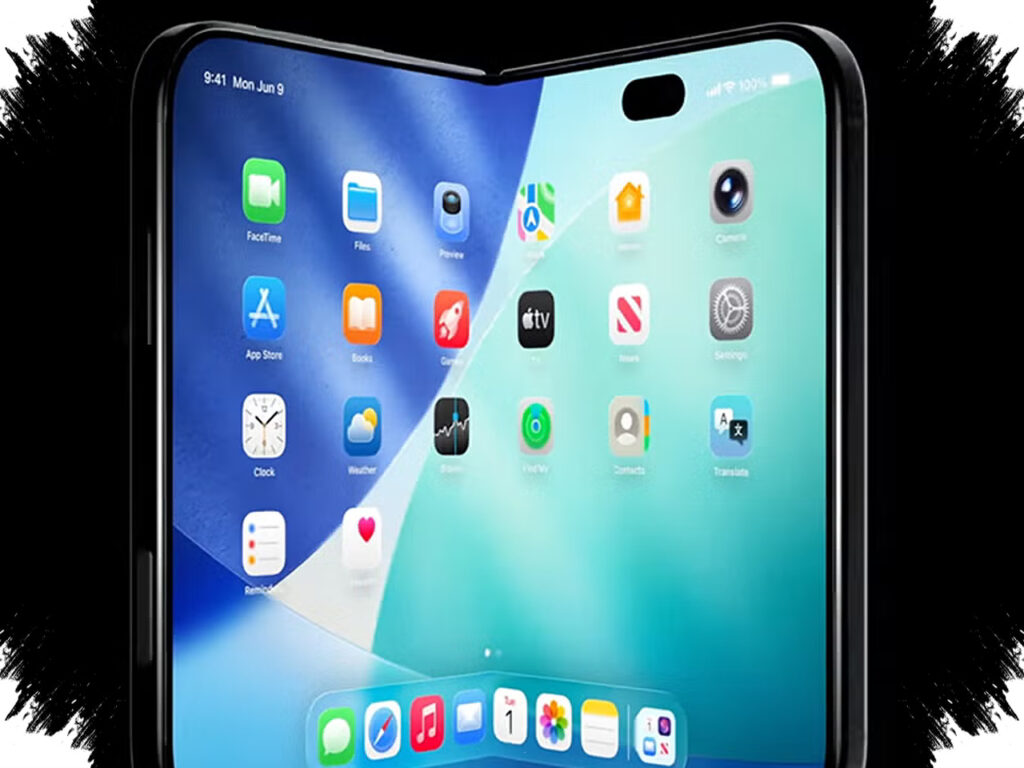
Apple’s long-awaited foldable iPhone is reportedly facing a setback in production, with mass manufacturing now said to have shifted from July to August because of supply chain issues. The delay is not being described as dramatic, but it does show that Apple still has technical and manufacturing hurdles to clear before the device can move into full-scale production.
Even with the adjustment, Apple is still believed to be aiming for a launch alongside next year’s regular iPhone lineup. That means the iPhone Fold remains on track for a major debut, although its first wave of availability could be limited if production stays tight in the early stage.
Why the Production Timeline Matters
A one-month shift may sound small, but for a product as complex as a foldable smartphone, timing is critical. Apple is known for strict control over product planning, and even modest changes in the supply chain can trigger wider concern across the industry.
Digitimes reported that the production move from July to August came after suppliers identified complications during development. Nikkei Asia also pointed to significant technical challenges, suggesting that early shipments could slip by several months if manufacturing problems are not resolved quickly.
Conflicting Reports Create Uncertainty
The picture is not fully consistent across media reports, which makes the timeline harder to read. Bloomberg has taken a more optimistic view, saying Apple is still moving according to its original plan and remains focused on a launch during the standard iPhone release window next year.
That difference matters because Apple has not confirmed many details about the project. Until the company speaks publicly, the market is left to rely on a mix of supply chain checks, analyst expectations, and media reports that may not all align.
What Makes iPhone Fold So Important
The iPhone Fold has drawn heavy attention because it would be Apple’s first foldable phone. The category is already established by several Android makers, but Apple’s entry could reshape expectations around design, durability, software integration, and long-term user experience.
Foldable phones remain a growth segment rather than a mature market. That gives Apple room to arrive later, but it also raises expectations that the company will offer a product with stronger refinement than earlier generations of foldables.
Main Factors Under Watch
- Display durability and how well the folding screen resists wear over time.
- Hinge strength and whether the device can survive repeated opening and closing.
- Mass production stability, especially if suppliers must ramp up quickly before launch.
- Pricing strategy, which will shape demand in the premium smartphone segment.
Possible Impact on Early Supply
If production continues to face pressure, the first batch of iPhone Fold units may be limited. That would likely create uneven availability across regions, especially if Apple chooses to prioritize quality control before increasing shipment volume.
Limited supply could have two different effects on consumer interest. It may increase anticipation because scarcity often drives hype, but it could also slow momentum if buyers cannot get the device soon after launch.
Apple’s Foldable Strategy Still Appears Intact
Despite the reported setback, Apple does not appear to be backing away from the foldable category. The company has spent years entering new product segments carefully, and the foldable market looks like another area where Apple wants to arrive only when the hardware and software are ready.
The current reporting suggests that the bigger issue is timing, not cancellation. If Apple can stabilize the production line in the coming months, the iPhone Fold could still become one of the company’s most closely watched releases in years.
For now, the key question is whether August production starts smoothly enough to protect Apple’s launch target next year. The answer will likely depend on how quickly suppliers can solve the remaining technical issues and whether the company can maintain its usual balance between secrecy, quality, and volume.