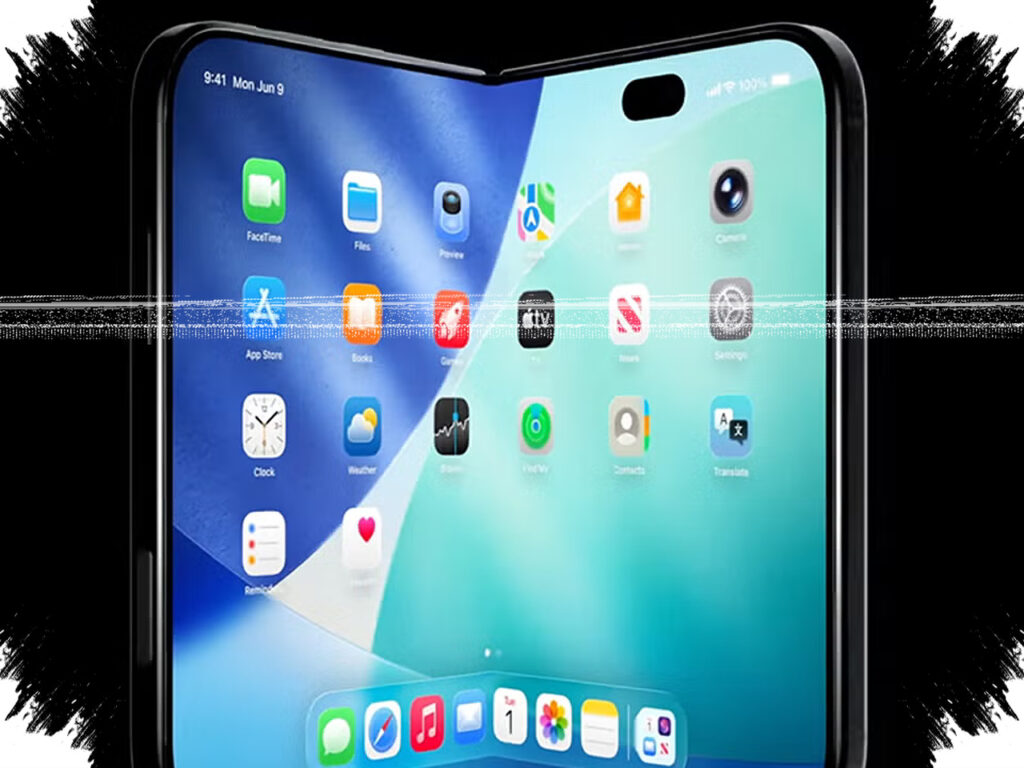
Apple’s first foldable iPhone is reportedly facing a production delay of one to two months, but the launch window may still remain on track for September. The latest reports suggest that while mass production has slipped from June to early August, Apple is still aiming to unveil the device alongside the iPhone 18 Pro lineup.
The delay appears to have happened during the hardware development stage, specifically at Engineering Validation Test, or EVT. That does not automatically mean the release schedule has changed, but it could affect how many units Apple has ready when sales begin.
Why the delay matters
EVT is one of the most important checkpoints in hardware development because it determines whether a prototype meets the core design and function requirements. For a foldable phone, that stage becomes even more demanding since Apple must test the hinge system, display durability, folding mechanism, heat management, and overall structural stability.
Apple is known for moving carefully when entering a new product category. A delay at EVT can signal that engineers need extra time to refine components before the device moves to the next stage, which usually includes Design Validation Test and Production Validation Test.
According to the DigiTimes report cited by 9to5Mac, Apple originally planned to begin mass production in June. That timeline is now said to have moved to early August, creating a narrow window before the expected September launch period.
What Apple still needs to complete
Even with the EVT setback, the road to launch is not necessarily blocked. Apple still has room to move through the next development phases if testing stays on schedule in the coming weeks.
- EVT: Tests early prototypes and verifies the main design.
- DVT: Confirms that the more mature design performs as intended.
- PVT: Checks whether production lines are ready for mass manufacturing.
Each stage plays a different role, and delays in one phase can sometimes be absorbed later. The challenge is tighter for a foldable iPhone, since the format is more complex than a standard smartphone and requires higher precision in assembly and quality control.
Launch timing still points to September
Despite the production shift, the broader launch plan appears unchanged. Reports suggest Apple is still targeting a fall announcement, which typically means September in the company’s product calendar.
That timing would place the foldable iPhone on stage with the iPhone 18 Pro and iPhone 18 Pro Max. Some reports even indicate that the standard iPhone 18 could arrive later, possibly in early 2026, showing that Apple may be reshaping its launch strategy around premium models first.
| Reported Phase | Expected Timeline | Current Status |
|---|---|---|
| EVT | Already in progress | Delayed by 1–2 months |
| Mass Production | June | Shifted to early August |
| Launch Event | September | Still targeted |
If that schedule holds, Apple may still announce the device on time even if the initial supply is limited. That would not be unusual for a first-generation product with a new form factor and a complicated supply chain.
Supply could be the real bottleneck
The biggest risk may not be the launch date itself, but the number of units available when pre-orders open. Several earlier reports have already suggested that the iPhone Fold could arrive in limited quantities at first, especially if component readiness remains tight.
A small initial supply could lead to fast sellouts and long shipping delays in some markets. For Apple, that may be acceptable if the goal is to preserve launch momentum while keeping quality standards high for a product expected to sit at the top end of the lineup.
Conflicting reports keep the picture unclear
Not all reporting points in the same direction. Bloomberg’s Mark Gurman previously said Apple was not facing a major crisis in foldable development and remained on track for a first-half September announcement.
That difference matters because it shows how early-stage product leaks can vary widely. Companies like Apple often keep development details tightly controlled, so outside reporting may capture only parts of the full picture.
At the moment, Apple has not confirmed the foldable iPhone’s name, pricing, production volume, or final release date. What does seem increasingly clear is that the device remains in development, the hardware process has slowed slightly, and September is still the key month to watch for Apple’s first foldable reveal.