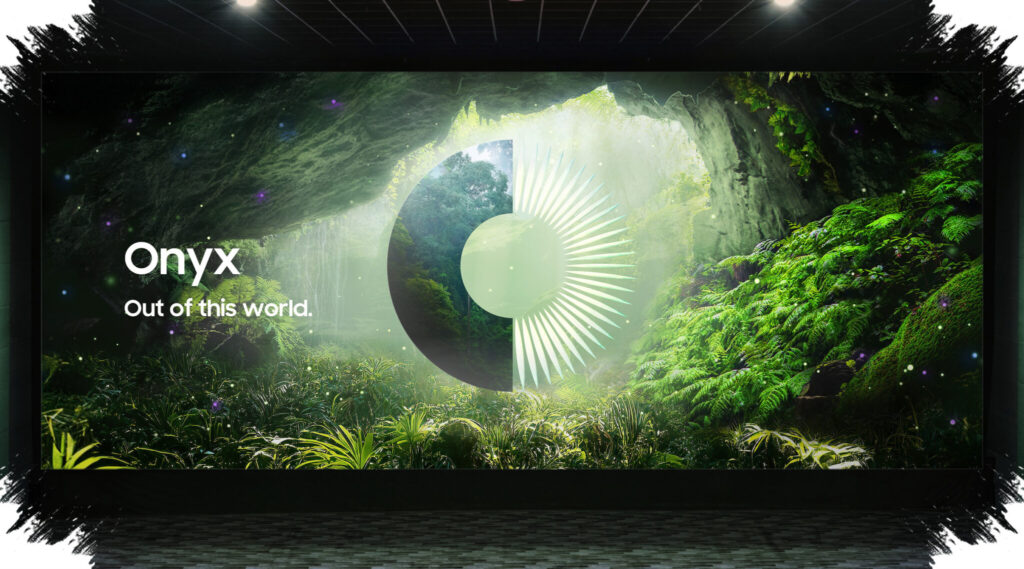
Samsung has expanded its Onyx cinema LED lineup with a new 14-meter screen aimed at premium large-format theaters. Announced at CinemaCon, the model is designed to bring a more immersive image experience to bigger auditoriums while keeping the core strengths of the Onyx platform intact.
The new screen joins the existing 5-meter and 10-meter versions, giving exhibitors another option for premium installations. Samsung is positioning the 14-meter model as a practical answer for theaters that want a larger display area without giving up the brightness, contrast, and precision associated with LED cinema screens.
A bigger Onyx for premium auditoriums
Onyx is Samsung’s cinema LED display line, and it has long been marketed as a step beyond conventional projection. The technology delivers deeper blacks, richer colors, and stronger contrast, which can make movies look more vivid and consistent across the screen.
The new 14-meter version keeps that pitch but scales it to fit larger auditorium layouts. Samsung says the screen supports up to 4K resolution at 120Hz, helping preserve sharp motion and detailed image quality even on a much larger surface.
The company also highlighted two major technical differences in this new model. First, it uses a 3.3 mm pixel pitch to maintain clarity across the expanded screen area.
Second, it supports flexible scaling, which allows the system to expand up to 20 meters. That gives theater operators more freedom to match the display to the shape and size of their auditorium.
Key specs Samsung emphasized
Samsung listed several specifications that define the new 14-meter Onyx model. These details help explain why the screen is being framed as a premium option for large-format cinema rooms.
- Standard size: 14 meters
- Resolution support: up to 4K
- Refresh rate: up to 120Hz
- Pixel pitch: 3.3 mm
- Peak brightness: up to 300 nits
- Aspect ratios: 2.39:1 and 1.85:1
- Expandable size: up to 20 meters
Those numbers point to Samsung’s focus on scale, brightness, and installation flexibility. In the premium cinema market, the screen has become as important as sound, especially as exhibitors compete to offer an experience that feels distinctly different from home viewing.
Why brightness matters in cinema LED
Samsung says the Onyx screen can reach a peak brightness of up to 300 nits. That is far above traditional projection-based cinema systems, which rely on reflected light and typically cannot match the same level of luminance.
Higher brightness can improve the visibility of shadows, fine details, and color separation. It also helps images stay more consistent in scenes that combine dark backgrounds with bright highlights, a common challenge in cinematic content.
The company also points to complete color volume and true black levels as part of the viewing experience. Those traits are important for keeping colors accurate and maintaining detail in darker scenes, especially in premium auditoriums where image quality is a major selling point.
Support for both 2.39:1 scope and 1.85:1 flat formats also makes the display more versatile for movie theaters. In practical terms, operators can use the screen for a wide range of theatrical content without compromising presentation standards.
More than movie screenings
Samsung is also pitching Onyx as a platform for content beyond films. The screen can be used for live sports, concerts, and other entertainment events, which matters at a time when cinemas are looking for additional revenue streams.
That flexibility may help exhibitors fill more seats and create more reasons for audiences to visit theaters outside regular release windows. A bright, evenly lit LED screen can make non-film content feel more premium and more commercially attractive.
Samsung says the viewing experience stays consistent from multiple seating positions as well. That is especially important in large auditoriums, where image quality can vary between the center, side seats, and front rows on traditional setups.
On the operational side, the Onyx screen is compatible with Dolby and GDC media servers. That should make integration easier for theaters that already use established cinema infrastructure.
Samsung’s premium cinema strategy
Samsung says Onyx was the world’s first cinema LED screen to receive Digital Cinema Initiatives, or DCI, certification for theatrical exhibition. That certification matters because it aligns the product with the industry’s technical standards for digital cinema playback.
The launch also arrives at a time when theater operators are trying to draw audiences back with premium experiences that cannot be replicated at home. Larger TVs, sound systems, and streaming services have raised the bar for what viewers expect, which makes image quality a key battleground.
Hyoung Jae Kim, Executive Vice President of the Visual Display Business at Samsung Electronics, said, “People go to premium theaters for something they cannot recreate at home.” He added that the screen is the starting point for building a premium experience that remains difficult to duplicate in a living room.
Samsung’s 14-meter Onyx now gives theater chains another tool for large-format venues, especially those that want to pair scale with LED brightness and image precision. As cinema operators look for ways to keep premium formats relevant, the screen reflects a broader industry shift toward immersive presentation as a major part of the theatrical draw.