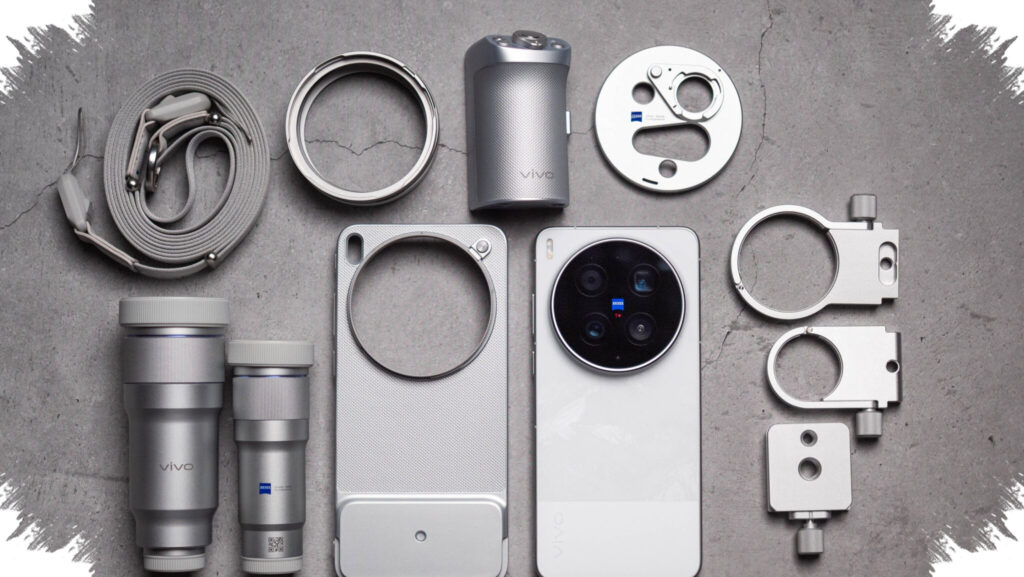
Vivo’s X300 Ultra may turn out to be the brand’s last Ultra-tier flagship, not because the device lacks technical ambition, but because the economics behind premium camera phones are getting harder to justify. Recent reporting from Sportskeeda, citing leaker Ice Universe on X, suggests that several Chinese phone makers are facing shrinking profits in their premium lines as component costs keep climbing.
That pressure is tied closely to the AI boom, which has pushed up demand for memory parts such as RAM and storage. For a camera-focused Ultra model, the problem is sharper because large sensors, advanced lenses, and imaging hardware already consume a big share of the bill of materials.
Why the Vivo X300 Ultra stands out
Vivo launched the X300 Ultra in China on March 30, positioning it as a top-end camera flagship with the company’s most advanced imaging hardware. The model represents Vivo’s highest technical push in mobile photography, and it is designed to showcase what the brand can do at the very top of the market.
Ice Universe’s view, as reported, is that Ultra phones are not built for mass sales. They serve more as technology showcases that strengthen brand image, while the real volume usually comes from more balanced premium models.
The AI-driven cost problem
The current issue is not just the price of one component. It is the way multiple costs are rising at once, with memory prices under pressure from AI infrastructure demand and camera parts already sitting at premium levels.
That creates a difficult equation for manufacturers:
- Keep the camera hardware at elite levels.
- Absorb rising memory and storage costs.
- Avoid pricing the phone too high for mainstream premium buyers.
- Protect profit margins in a market with limited growth.
For an Ultra phone, there is little room to compromise. Cutting camera specifications would weaken the product identity, but passing the full cost to consumers could make the phone uncompetitive against other premium flagships.
Why a higher price is not a simple fix
In theory, Vivo could raise the retail price to match the higher production cost. In practice, that move could push the X300 Ultra into the same pricing zone as ultra-premium rivals, including Samsung’s top-tier models, where competition is fierce and buyer expectations are extremely high.
That matters because demand in the premium segment is not expanding fast enough to absorb endless price increases. If the price goes up too far, sales volume can fall, and the margin problem gets worse instead of better.
Why the Ultra format is under pressure
Ultra phones are built with fewer compromises, but that design philosophy becomes risky when the market changes quickly. The following points explain why the category is now under strain:
Main pressure points
- Memory prices are rising because of AI demand.
- Camera hardware is already expensive at the flagship level.
- Ultra models usually sell in smaller volumes.
- Higher retail prices can reduce consumer interest.
- Profit margins become more fragile as costs rise.
This is why some analysts see stronger business logic in a Pro model. A Pro device can still deliver powerful performance and very capable cameras, but it usually does so with a more manageable cost structure and broader market appeal.
What the X300 Ultra still means for Vivo
Even with speculation around its future, the X300 Ultra remains an important signal of Vivo’s engineering strength. It shows that the company can still compete at the highest end of mobile imaging and build a device that reflects serious R&D investment.
It is also important to note that the idea of this being the “last Ultra” remains speculative. Vivo has not announced any official plan to end the Ultra line, and the discussion so far is based on industry analysis rather than confirmed product roadmaps.
What Vivo may do next
- Rebalance investment toward the Pro series.
- Keep Ultra as a limited showcase product.
- Reassess camera hardware costs against memory inflation.
- Focus on models with stronger sales potential.
If profit pressure continues, shifting emphasis toward the Pro lineup would make business sense. The Pro tier can still deliver flagship performance without carrying the same cost burden that comes with pushing camera hardware to the extreme.
For now, the Vivo X300 Ultra sits at the center of a larger industry problem: the race to build better camera phones is now colliding with the rising cost of AI-era components, and that could reshape how far the Ultra concept can go.