LG has placed Korean-style home innovation at the center of its latest strategy for Asia-Pacific consumers. At the recent LG InnoFest 2026 in Busan, South Korea, the company presented a range of connected home solutions designed for compact living spaces, rising energy costs, and daily routines that differ across regional markets.
The event, held in early April, gathered hundreds of business partners and media representatives from multiple countries. LG used the platform to show how its technology can blend advanced Korean engineering with local consumer needs, while the showcase itself was staged with room settings inspired by the visual atmosphere of popular Korean dramas.
A home concept shaped by Asian living habits
LG said the new lineup reflects a simple market reality: many urban homes in Asia have limited space and require appliances that do more than one job. That approach was visible across laundry, kitchen, and smart-home categories, where the company focused on compact designs, automation, and energy efficiency.
In the laundry segment, LG introduced a slimmer WashTower model with a 25-inch width, built to fit tighter household layouts common in Asian cities. The unit also uses AI to detect fabric type and stain levels automatically, helping optimize wash cycles while protecting clothing fibers.
Key laundry features highlighted by LG
- 25-inch WashTower design for smaller living spaces.
- AI-based fabric and soil detection for more precise washing.
- HeatPump technology for improved energy efficiency.
- Automatic detergent dispensing for easier daily use.
- Fast wash cycles that can finish in under 30 minutes.
LG also expanded its washer and dryer lineup with HeatPump technology, which is designed to reduce power consumption. That matters in markets where consumers are increasingly sensitive to electricity bills, especially as household energy expenses continue to rise across the region.
The company said its quick wash feature can complete a cycle in less than 30 minutes without sacrificing cleaning performance. For busy households, that kind of time saving can be as valuable as the machine’s energy savings.
Commercial laundry gets a space-saving upgrade
LG also used InnoFest 2026 to present a commercial laundry solution aimed at businesses that need high-durability equipment. The hybrid unit combines washing and drying in one system, which helps save floor space for operators such as hotels, laundromats, and serviced residences.
The company said the professional-grade laundry technology has already gained traction in South Korea and is expected to move into global markets soon. That expansion suggests LG sees commercial laundry as another growth area beyond the consumer home segment.
Kitchen appliances built for compact interiors
LG’s kitchen display focused on appliances that integrate more cleanly into modern interiors. The company introduced a smart refrigerator designed to sit flush against the wall, creating a built-in look that makes the kitchen feel more seamless and organized.
The refrigerator also includes an Ice Solution feature that can produce four different ice shapes, a detail LG linked to the drinking and serving preferences of Asian consumers. In a compact kitchen, multifunctionality matters, and LG positioned the product as a solution that combines design with practical everyday use.
Dishwashers also received attention, with LG highlighting a super-fast wash-and-dry cycle that finishes in one hour. The appliance uses high-pressure water spray technology to reach corners more effectively, which the company says improves cleaning results for dishes and utensils of different shapes.
For Southeast Asian markets, LG added a special kitchen package that includes a camera-equipped oven. The camera allows users to monitor cooking progress more easily, which fits a growing demand for connected appliances that reduce guesswork in home cooking.
ThinQ ON and the shift toward connected homes
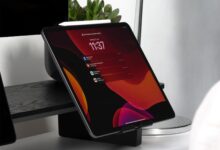
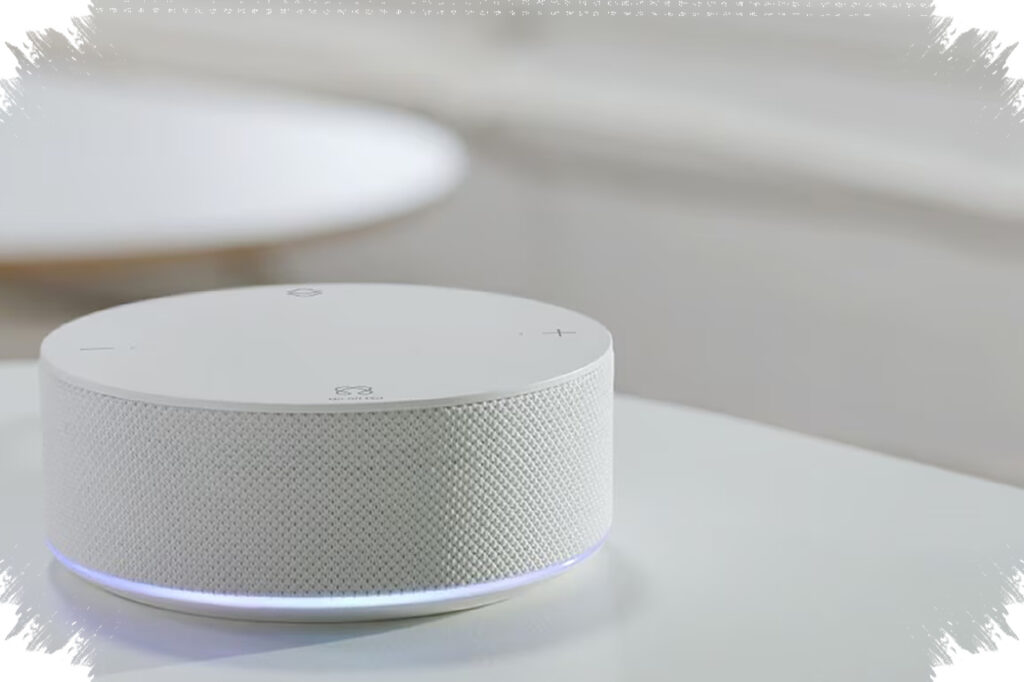
LG used InnoFest 2026 to push a broader vision of the home as a connected ecosystem. At the center of that concept is ThinQ ON, a control hub that links internet-connected home appliances and supports more integrated daily routines.
The system is meant to reduce fragmentation between devices by creating a more unified smart-home experience. In practice, that means appliances can be managed more efficiently across chores such as laundry, cooking, and cleaning.
Why LG’s approach matters in Asia-Pacific
LG’s regional strategy appears to focus less on flashy features and more on practical adaptation. As the company emphasized at the event, its goal is to match advanced technology with local habits, household sizes, and budget concerns.
- Smaller apartments require slimmer appliances.
- Higher electricity costs increase demand for efficient machines.
- Connected homes need easier control across multiple devices.
- Consumers want products that fit regional cooking and cleaning habits.
The company also continues to expand its subscription-based electronics service in several Asian countries, including Southeast Asia. This program gives consumers access to advanced appliances through a more flexible ownership model, while also including periodic maintenance services.
That approach may help LG reach buyers who want premium features without committing to a full upfront purchase. It also supports long-term customer retention, since recurring service plans keep users connected to the brand after installation.
By combining Korean-inspired presentation, regional product customization, and connected-home technology, LG is clearly betting that the future of household innovation in Asia will depend on appliances that are smarter, smaller, and easier to live with every day.