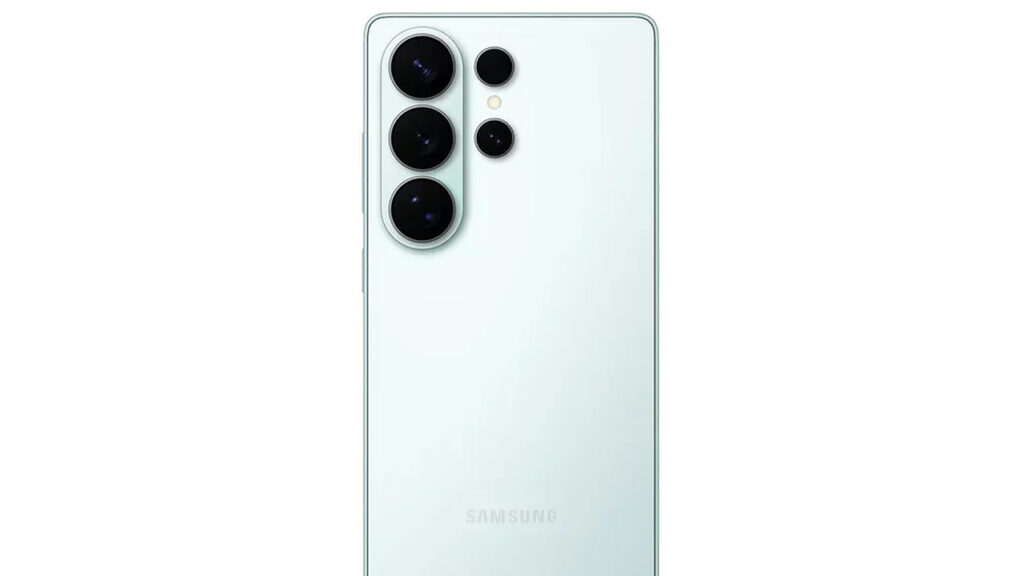
The premium smartphone market is entering a tighter phase as 2nm chip supply from TSMC becomes harder to secure. That pressure is pushing brands to reserve their best silicon for the most expensive models, especially Ultra or Pro Max versions.
The situation is not happening in isolation. Rising DRAM costs are adding another layer of strain, forcing manufacturers to rethink how they split performance, pricing, and production across their flagship lineups.
Why the top chip is becoming a rare commodity
A 2nm process is currently seen as the most advanced fabrication node in the semiconductor industry. TSMC is reported to have reached a strong enough yield for mass wafer production, but available capacity is still not enough to match global demand.
That shortage matters because the most sought-after production slots are being competed for by major players across both AI and mobile. Industry reports suggest that upcoming N2 capacity is already close to fully booked, with Apple, Qualcomm, Nvidia, and AMD among the companies securing large allocations.
Premium models are likely to get the best silicon
According to a Gizmochina report citing Chinese tipster Digital Chat Station, some smartphone brands may keep their “full-spec” SoC only for the highest-end devices. In practice, that means the strongest chipset could be limited to the most premium variant in a series.
This approach gives manufacturers a way to protect margins when production costs stay high and supply remains tight. It also creates a clearer split between standard flagship phones and the top-tier models that sit above them.
How the lineup could be divided
The pressure on supply may lead to a wider gap inside a single product family. Instead of using the same top processor across every model, brands may assign different chip classes depending on the device tier.
- Ultra or Pro Max models may receive the full-spec chip
- Regular flagship models may use a different or lower-tier SoC
- Higher-end devices may also get faster memory and stronger thermal tuning
This kind of segmentation would make the most expensive phones visibly more capable, while other models in the same series could carry more compromises.
Dual-chip strategies are starting to look more likely
Rumors around upcoming chip roadmaps point in the same direction. Qualcomm is said to be preparing two chips in the same generation, namely Snapdragon 8 Elite Gen 6 and Snapdragon 8 Elite Gen 6 Pro, with the Pro version potentially reserved for the most premium phones.
Apple is also said to be moving toward a similar split with A20 and A20 Pro. MediaTek, meanwhile, is reportedly working on Dimensity 9600 and Dimensity 9600 Pro for different device classes, with the Pro version meant for top-end smartphones.
Samsung is not yet a simple escape route
In theory, Samsung Foundry could offer another path for 2nm production. In practice, reports indicate that Samsung is still dealing with yield challenges on its GAA-based 2nm process.
That leaves smartphone makers and chip designers with fewer realistic options when volume production is the goal. As a result, TSMC’s role becomes even more central for brands trying to secure the most advanced chips in time.
DRAM prices are making the problem worse
Supply pressure is not limited to processors. DRAM costs are also rising, and that affects premium phones because memory is a critical part of the total bill of materials.
The combined effect can be seen in three key areas:
| Pressure point | Likely effect |
|---|---|
| Limited 2nm supply | Best chip reserved for top models |
| Strong AI demand | Mobile wafer allocation becomes tighter |
| Higher DRAM costs | Flagship production gets more expensive |
For buyers, this could mean one thing: the differences between models in the same flagship family may become more obvious. The most expensive version may get the full chip treatment, faster memory, and better thermal management, while the models below it face more noticeable trade-offs as the premium market adjusts to scarce 2nm supply and higher component costs.
Source: www.gizmochina.com