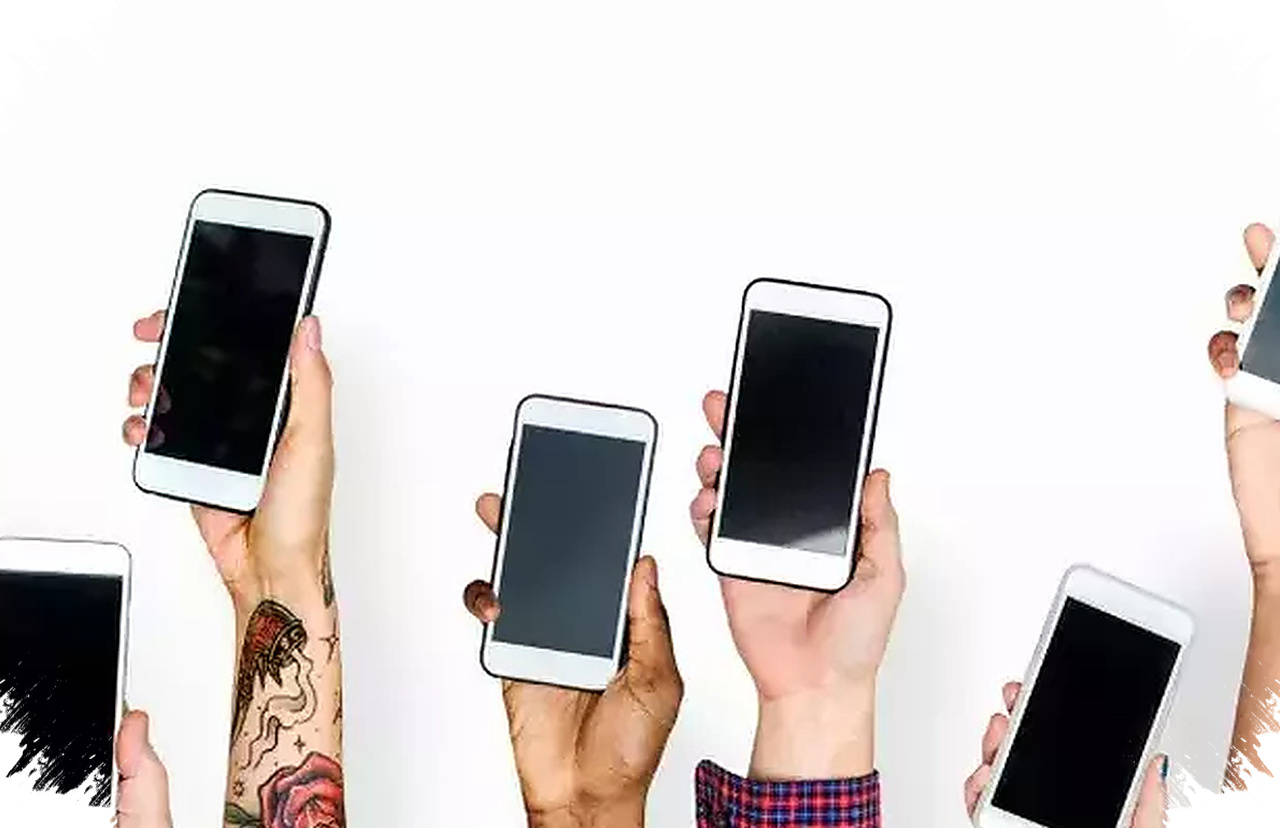
A recent SellCell survey points to a clear divide in smartphone loyalty, with iPhone users showing far stronger attachment to their current brand than Android users. Based on responses from more than 5,000 users in the United States, Apple’s smartphone lineup continues to stand out as the device group people are least likely to leave.
The difference is not small. SellCell found iPhone loyalty at 96.4 percent, while Android loyalty stood at 86.4 percent. That gap shows how much harder it remains for Android brands to keep customers locked in over the long term.
Apple’s ecosystem continues to hold users in place
The strongest signal in the survey is how rarely iPhone owners say they are ready to move to Android. Only 3.6 percent of iPhone users were considering making that switch, which reinforces the idea that Apple keeps its customers inside its own ecosystem.
That retention also appears in longer ownership patterns. SellCell reported that 83.8 percent of iPhone users have stayed with Apple products for more than five years. In a market where upgrades often happen frequently, that level of continuity suggests a very strong relationship between users and the brand.
For Apple, that loyalty is not just about a single device purchase. It reflects the pull of a system where hardware, software, and product familiarity appear to work together to keep users from looking elsewhere.
Android users remain easier to win over
Android loyalty is still high, but it does not match the staying power seen in the Apple camp. SellCell data shows that 13.6 percent of Android users fall into the brand-switching category, a noticeably larger share than among iPhone users.
The long-term picture also shows more movement across Android brands. Only 33.8 percent of Android users have stayed with the same brand for more than five years, far below the figure recorded for iPhone users. That difference suggests that brand switching remains a more common behavior in the Android market.
Even so, the survey does not present Android loyalty as stagnant. It shows that some major Android manufacturers have improved their ability to keep users over time, even if the broader ecosystem still trails Apple in retention.
Samsung and Pixel show stronger retention
Among the Android brands highlighted in the survey, Samsung and Google Pixel stand out. Samsung’s loyalty rate rose from 74 percent in 2021 to 90.1 percent in 2026, showing a major improvement in customer retention.
Google Pixel also posted a notable increase, moving from 65.2 percent to 86.8 percent over the same period. Those gains indicate that some Android brands are building stronger ties with their users and reducing the likelihood of switching.
Still, the survey makes clear that these improvements have not fully closed the loyalty gap with iPhone. Android brands may be getting better at keeping customers, but they continue to face greater competition from rival brands inside their own ecosystem.
Loyalty has become a key battleground in smartphones
The broader takeaway from the SellCell survey is that loyalty remains one of the most important measures in the smartphone market. Sales numbers matter, but retention now plays an equally important role in showing which brands can sustain their user base.
That is why the contrast between iPhone and Android matters. Apple continues to benefit from a highly sticky ecosystem, while Android brands must work harder to keep users from moving to another device maker.
In a market with many choices, the survey suggests that the strongest brands are not only the ones that attract buyers first, but also the ones that can keep them for years. On that measure, iPhone still leads comfortably, while Android shows progress without yet matching Apple’s level of loyalty.
Source: www.beritasatu.com-
-
-
-