


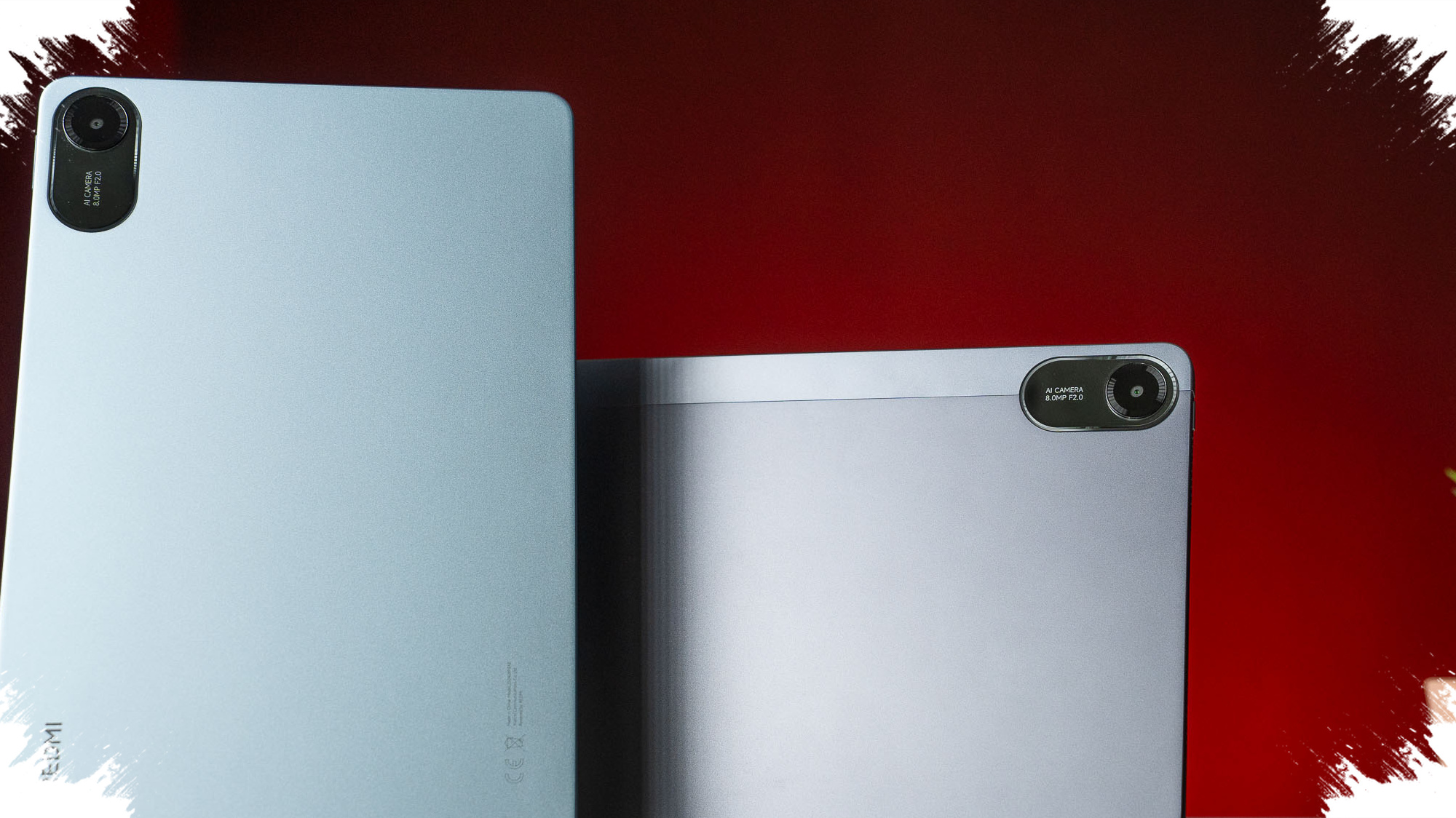
Xiaomi has expanded its budget tablet lineup in China with the launch of the Redmi Pad 2 SE, a device that stands out for combining a 9.7-inch 2K display, 120Hz refresh rate, and 4G support at an accessible price point. The cellular version starts at around Rp3.5 million, making it one of the more complete low-cost tablet options in its class.
The model is aimed at users who want more than just a cheap screen for casual use. Xiaomi appears to have focused on keeping the package balanced, with a sharper display, practical connectivity, and core features that still suit everyday needs such as media consumption, study, and light productivity.
A smaller body, but a sharper panel
Compared with the previous Redmi Pad SE, which used an 11-inch screen, the new tablet moves to a 9.7-inch panel. That change makes the device easier to carry and gives it a noticeably more compact footprint for users who prioritize portability.
The smaller size does not come at the expense of display quality. Xiaomi pairs the panel with a 2048 x 1280 2K resolution and a 120Hz refresh rate, which should help text look cleaner and scrolling feel smoother. The setup also supports video playback and other everyday viewing tasks with a more refined visual experience.
Hardware tuned for routine daily use
Inside, the Redmi Pad 2 SE runs on the Snapdragon 6s Gen 2 built on a 6nm process. The chipset is positioned for efficiency and stable performance rather than heavy workloads, which fits the tablet’s target use case.
Xiaomi combines that processor with 6GB of LPDDR4X RAM and 128GB of UFS 2.2 storage. The internal memory can also be expanded through microSD, giving users additional room for documents, media files, and other content without relying only on built-in storage.
4G support is the main differentiator
One of the most important selling points is the inclusion of a 4G SIM slot. This allows the tablet to stay online even when Wi-Fi is unavailable, which can be useful for people who move between locations or need a more flexible device for travel and work.
In China, Xiaomi offers a Wi-Fi-only version starting at around Rp2.7 million, while the 4G variant is priced at around Rp3.5 million. That pricing gap gives buyers a choice between a more affordable home-use model and a more mobile option with cellular connectivity.
Built for entertainment with practical extras
For audio, the tablet uses quad stereo speakers, a configuration that can provide wider sound separation for movies, music, and general media playback. Xiaomi also keeps the 3.5mm headphone jack, a feature that remains useful for users who still prefer wired headsets.
The design follows a metal unibody construction and measures 7.4 mm thick, with a weight of about 400 grams. Those dimensions help the device feel more premium than many entry-level tablets while staying manageable in hand during extended use.
Battery capacity remains suitable for day-to-day use
Power comes from a 7,600mAh battery with 18W fast charging support. Although the capacity is slightly smaller than the 8,000mAh battery used on its predecessor, it still sits within a practical range for a tablet in this price class.
With that battery size, the efficient 6nm chipset, and the relatively compact display, the Redmi Pad 2 SE is positioned as a balanced option for users who want a tablet that can handle streaming, browsing, online classes, and light work without pushing the budget too far.