Samsung and Apple are heading toward 2027 with sharply different ideas about what a flagship phone should look and feel like. Both companies are preparing major changes for the Galaxy S27 Ultra and iPhone 20, and the most striking part is that the focus is no longer limited to speed or hardware strength.
For Samsung, the shift appears to be about making the Galaxy S27 Ultra look cleaner and more recognizable from the back. For Apple, the ambition seems to be pushing the iPhone 20 toward a more seamless front design, with the display itself becoming the main visual statement.
Samsung is reworking the camera identity of the Galaxy S27 Ultra
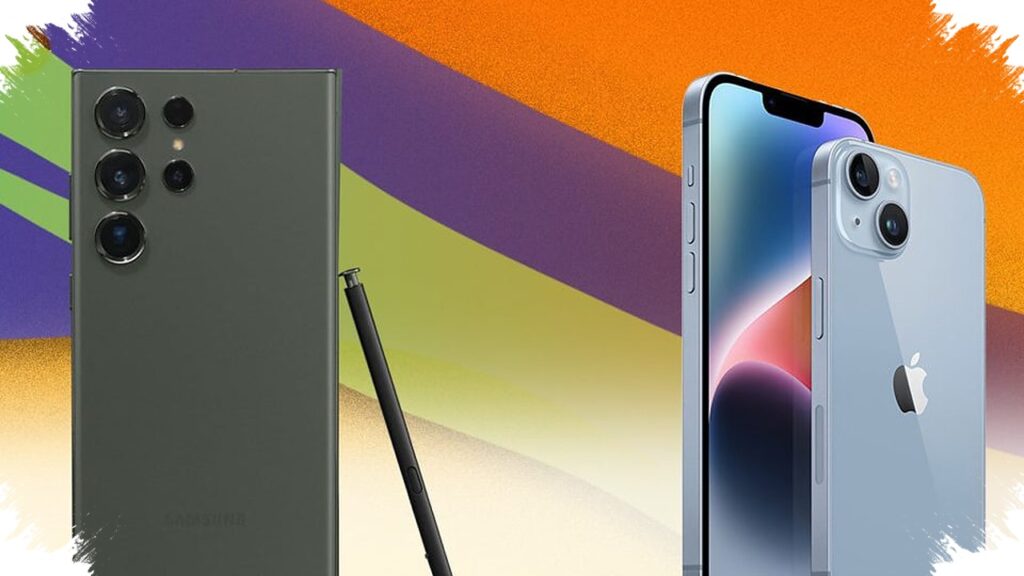
The Galaxy S27 Ultra is expected to arrive at the start of 2027, and the rear camera layout may be one of its biggest changes. Samsung is reportedly moving away from the vertical arrangement and adopting a horizontal camera module instead.
That change would give the phone a cleaner body profile and a more iconic appearance. The direction also evokes the Galaxy S10 series, although the new approach is expected to feel more modern than nostalgic.
Camera hardware is also said to get a notable upgrade. Samsung is preparing an ISOCELL HP6 200 MP main sensor, paired with LOFIC technology to improve dynamic range and help image quality in low-light conditions.
The ultrawide lens is also expected to be refreshed, while the telephoto function will remain in place. That combination suggests Samsung is trying to improve imaging without giving up the versatility that users expect from an Ultra model.
A larger display and privacy-focused features remain part of the plan
On the front, the Galaxy S27 Ultra is predicted to use a 6.9-inch Dynamic AMOLED 2X panel. The display is expected to support adaptive LTPO 1-120Hz refresh rates, which should keep motion smooth while preserving efficiency.
Samsung is also said to keep its Privacy Display feature. The function is designed to make the screen harder to view from nearby angles in public spaces, adding another layer of protection for on-screen content.
Under the hood, the phone is expected to run on Qualcomm’s latest Snapdragon chipset. Reports also point to LPDDR6 RAM and a larger battery as part of the package, giving the device a broader set of upgrades beyond the camera system.
Apple is aiming for a very different kind of flagship statement
While Samsung is changing the rear design language, Apple is reportedly focusing on the display experience for the iPhone 20. The model is expected to launch in September and is being positioned as a way to mark 20 years of iPhone.
Apple is said to be developing a Liquid Glass Display concept that would create a fluid-like visual effect with extremely soft edges. The goal is to make the black border around the screen appear as if it almost disappears.
This is not described as a conventional curved display. Instead, the effect reportedly depends on a more complex mix of light-guiding structure and visual engineering designed to deepen the viewing experience while still keeping the phone comfortable to hold.
Samsung Display is said to be involved in the panel development. The OLED panel is expected to use a micro-curve method to help support the visual effect Apple wants.
A buttonless iPhone may be part of the same transition
Apple is also rumored to be testing solid-state haptic systems as a replacement for physical buttons. If adopted, that would move the iPhone experience further away from the current hardware setup.
Another area under testing is under-display technology for Face ID and the front camera. If those elements are completed as planned, the iPhone 20 would become the first iPhone with a full-screen design free of both the notch and Dynamic Island.
Taken together, the direction of both companies suggests that flagship competition in this period is not only about performance numbers. Samsung and Apple appear to be building two very different premium identities, and those choices could shape how high-end phones evolve after 2027.