


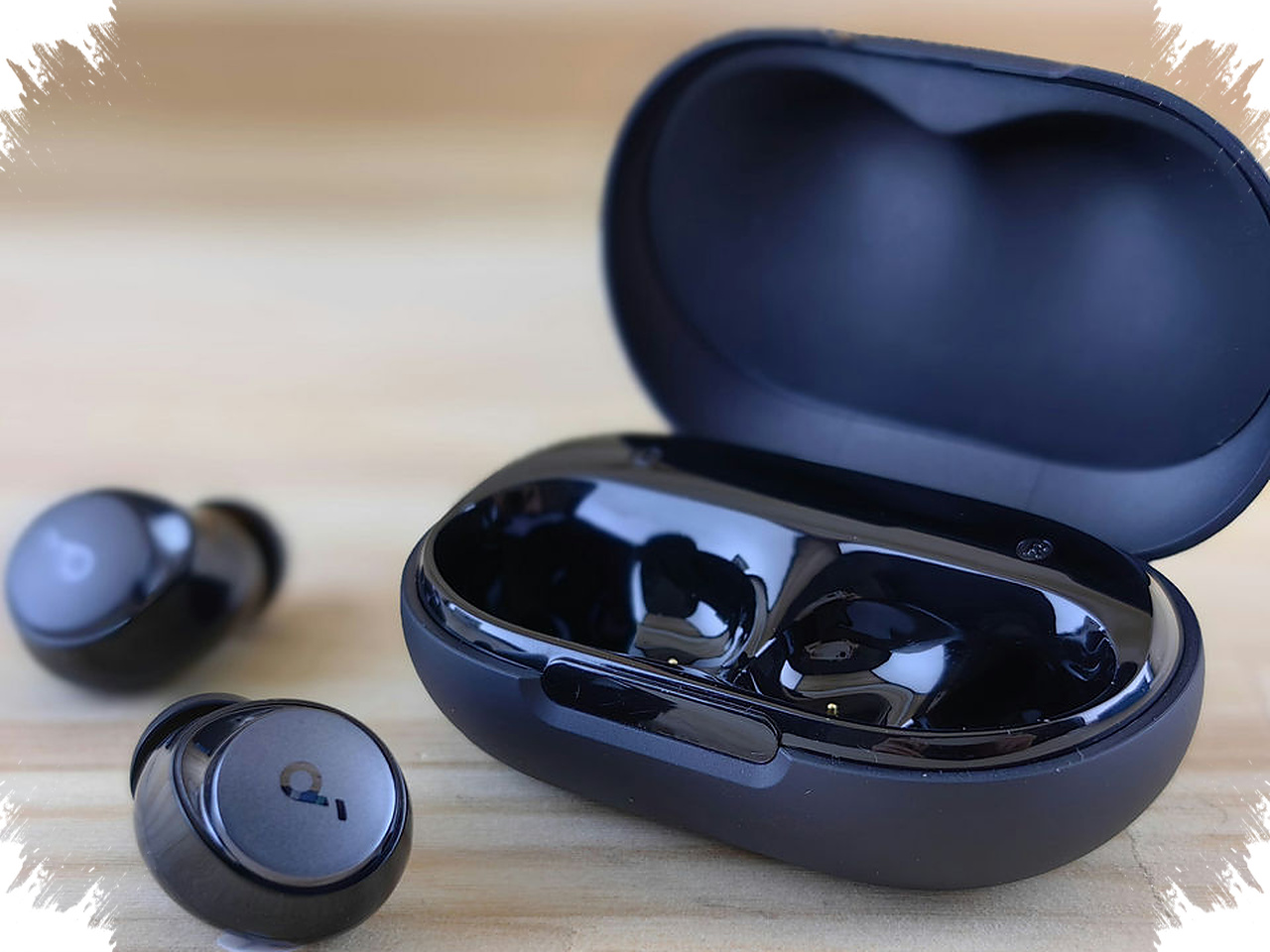
Anker is preparing a major shift in how smart audio features are handled on compact wireless devices. Instead of relying on the cloud for every AI task, the company is moving that processing directly onto the device with a new in-house chip called Thus.
That move matters because earbuds have always faced the same limits: small batteries, tight space, and the need for instant responses. Anker says the new chip is built to make those constraints less of a problem by improving speed, lowering latency, and reducing power consumption.
A new silicon platform for Anker
Thus is Anker’s first internal silicon platform, and the company plans to launch it on 21 May 2026 in New York City. The debut signals a broader change in strategy, with Anker taking more control over the computing base behind its products rather than depending only on outside hardware.
The company is not starting with phones or laptops. Its first showcase will be a pair of flagship true wireless earbuds, which will serve as the initial proof point for what the chip can do in a real consumer product.
What the chip is designed to change
The chip uses a Compute-in-Memory, or CIM, architecture. That design combines computing and memory in one unit, so data does not need to move back and forth between separate components.
For small battery-powered devices, that approach can be important. Anker says it helps reduce latency while also improving speed and cutting power use, all of which are critical for earbuds that need fast reactions without draining the battery too quickly.
The company also claims the chip can deliver up to 150 times more AI computing capability than earlier Anker audio products. That is a striking claim, although the real-world impact will depend on how the hardware performs in everyday use.
AI features move onto the device
One of the biggest goals behind Thus is to run AI audio features locally instead of sending them to the cloud. That includes noise cancellation and voice enhancement processing, which Anker says can happen in real time on the earbuds themselves.
On-device AI can also bring practical benefits beyond speed. It can help keep user data from leaving the device as often, and it may offer more consistent performance in different usage conditions.
This direction fits the needs of premium earbuds, where responsiveness and call quality often matter more than raw specifications. By controlling the chip internally, Anker also gets tighter integration between audio hardware and AI processing.
Flagship earbuds will show the first results
The first product to use Thus will include a feature called Clear Calls. It uses AI-based environmental noise cancellation to help reduce background noise during phone conversations.
To support that function, the earbuds are equipped with eight microphones and a bone-conduction sensor. The combination is intended to improve voice clarity and reduce interference from surrounding noise.
Anker appears to be using the launch product as more than a simple hardware refresh. The earbuds are meant to demonstrate how the chip’s extra computing power can translate into audible benefits that users can notice right away.
The bigger plan goes beyond audio
The company is also looking beyond earbuds and other audio gear. Thus is planned for future use in mobile accessories and other smart devices, which could make it an important part of Anker’s broader product portfolio.
If that expansion happens as planned, the chip could support faster and more efficient on-device AI across more everyday products. For now, though, the main test will come in New York City, where Anker will present both the chip and its flagship earbuds on 21 May 2026.