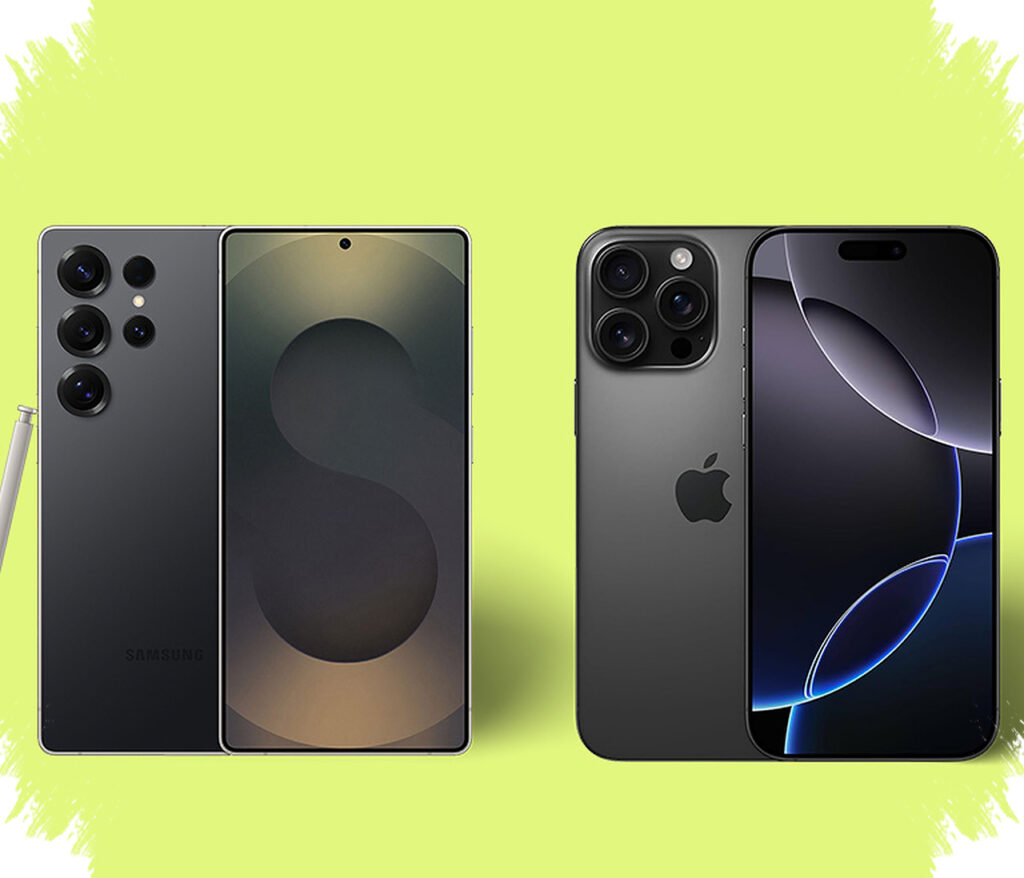
Samsung has opened 2025 at the top of the global smartphone market, and the gap behind it remains tight. With a 22 percent share and 65.4 million units shipped, the company continues to set the pace while Apple stays close in premium devices but not yet in overall leadership.
The latest figures from Omdia show Samsung’s shipment volume rose about 8 percent year on year. That rebound points to a stronger international position, supported by steady demand across several product tiers rather than a single category.
Flagship demand helps lift Samsung
A major driver of Samsung’s performance has been interest in its flagship lineup. The Galaxy S26 series, especially the Ultra variant, is described as the most popular model and a key factor behind the company’s stronger premium position.
That momentum matters because premium buyers remain an important battleground in smartphones. Samsung has managed to convert that demand into scale, giving it an advantage that extends beyond just high-end sales.
A broad portfolio keeps volume high
Samsung’s reach also comes from the range of devices it offers. The company sells entry-level phones, foldables, and flagship models, which allows it to address more types of buyers and sustain shipment volume.
This broader product mix helps explain why Samsung can lead the overall market even as competition stays intense in the premium segment. It gives the company more than one path to growth, and that flexibility remains valuable in a market where demand can shift quickly.
Apple stays close, but only in the upper end
Apple remains Samsung’s nearest rival, especially among premium consumers. Even so, it has not overtaken Samsung in the overall market.
Omdia recorded 60.4 million iPhone shipments for Apple, equal to a 20 percent market share. The narrow difference underscores how close the race remains at the top, while also showing that Samsung still holds the broader lead.
The rest of the top five faces pressure
Competition does not ease after the first two positions. Xiaomi placed third globally, but its shipments fell 19 percent year on year to 33.8 million units.
Oppo followed with 30.7 million units and a 10 percent share, while Vivo shipped 21.3 million units for a 7 percent share. Their declines, at around 6 percent and 7 percent respectively, show that the fight across the leading brands remains crowded even as the numbers move in different directions.
Southeast Asia remains a key battleground
Samsung’s strength is also visible in Southeast Asia, where it held about 18 percent of the market in 2025 with 17.9 million units shipped. A large part of that performance came from the Galaxy A series, which has helped the brand stay competitive in a price-sensitive region.
That strategy is important because Southeast Asia remains one of the main arenas for smartphone volume. Samsung has used its mix of pricing and features to stay relevant there while facing aggressive competition from other brands.
Industry pressure has not gone away
Even with Samsung in front, the wider smartphone market is still under pressure. Omdia said global smartphone growth was only around 1 percent in the first quarter of 2026.
Rising memory chip prices add another challenge for manufacturers trying to protect margins while keeping shipments moving. At the same time, Chinese brands such as Xiaomi, Oppo, and Vivo continue expanding aggressively in developing markets, which could intensify pressure in the mid-range segment where many buyers remain highly active.