


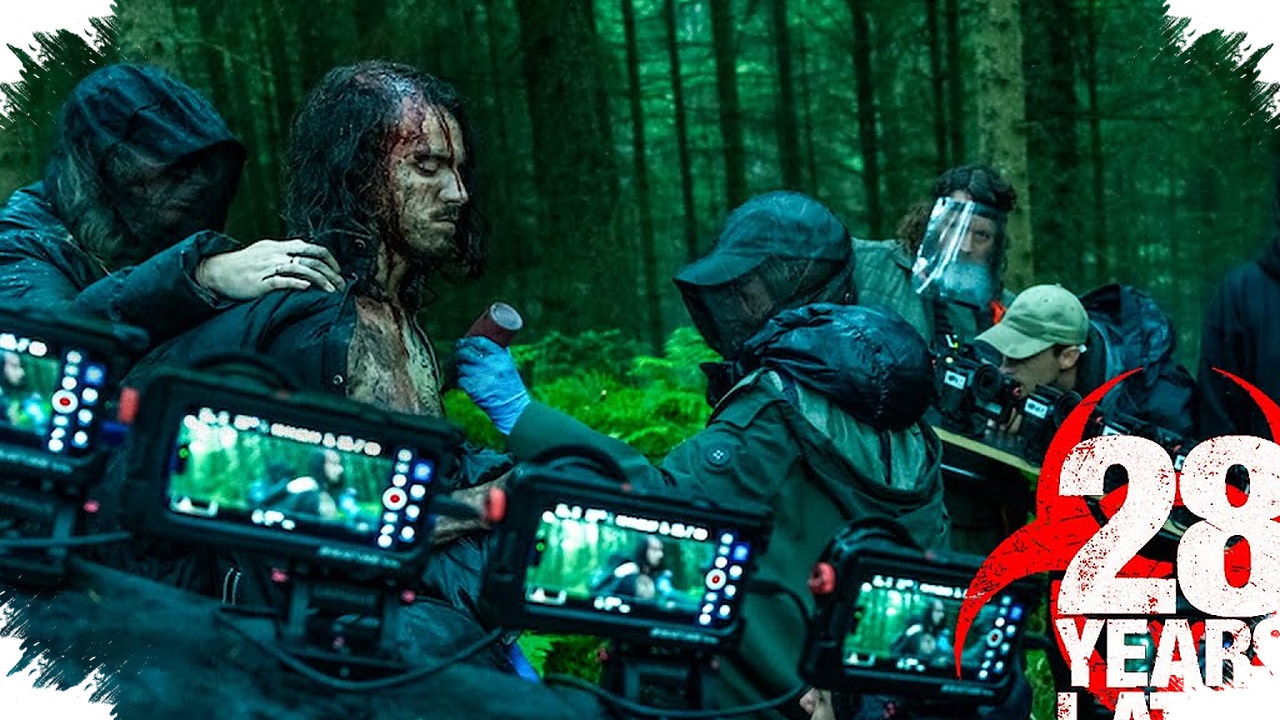
The idea that a major film must rely on a single expensive camera package is losing ground. In the case of Danny Boyle’s 28 Years Later, production reportedly leaned on more than 20 units of iPhone 15 Pro Max, turning a consumer device into a serious part of a feature-film workflow.
That choice matters because it reflects a broader shift in how filmmakers think about image capture. Smartphones are no longer limited to casual use, and in the right hands they can support professional visual storytelling on the big screen.
Why iPhone 15 Pro Max fit the production
The decision to use multiple iPhone 15 Pro Max units was tied directly to what the device can do on set. Its support for log recording and ProRes gives filmmakers more flexibility during color grading in post-production.
Its compact body also offered a practical advantage during shooting. Crews could move into extreme and more intimate angles more easily, which is especially useful for fast-moving horror scenes.
A pattern that was established earlier
28 Years Later is not the first project to prove that mobile devices can carry a serious film production. Tangerine, an independent drama-comedy, was shot entirely on three iPhone 5s units and later gained attention at the Sundance Film Festival.
That film became an important turning point for many independent filmmakers. It showed that strong storytelling and visual creativity do not always depend on expensive production gear.
Even established directors have done the same
Steven Soderbergh has also used iPhone devices in film production. He shot the psychological thriller Unsane with an iPhone 7 Plus and later returned to Apple’s smartphone for High Flying Bird.
Soderbergh has said that the shoot moved much faster because the crew did not need to set up large, heavy camera rigs. For High Flying Bird, the team also used third-party apps such as FiLMiC Pro to make the footage look more cinematic and professional.
Smartphones have also helped in non-fiction work
The use of iPhone cameras has not been limited to scripted films. The Oscar-winning Searching for Sugar Man used iPhone footage for some additional shots during production.
That happened when the crew ran out of money to buy 8mm film rolls. The iPhone became a practical solution for capturing extra scenes without stopping the creative process, and the film later won the Oscar for Best Documentary.
Taken together, these projects show how far mobile filmmaking has come in the industry. From horror and drama-comedy to psychological thriller and award-winning documentary work, iPhones have repeatedly shown that professional results are not defined only by the price of the camera.