

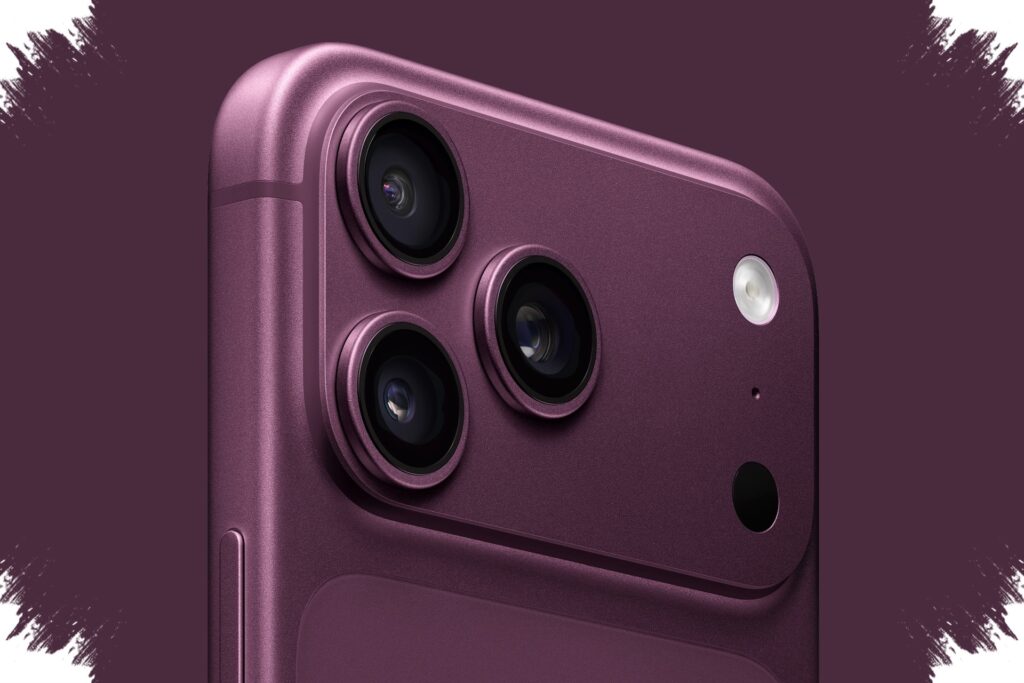
Apple appears to be redrawing the role of its standard iPhone line, and the iPhone 18 may be the clearest sign yet. Instead of arriving as the first major showcase for the next generation, the non-Pro model is reportedly being pushed back while Apple gives more attention to Pro devices, a foldable model, production efficiency, and AI demands.
That shift matters because the standard iPhone has long been the most balanced and accessible option in Apple’s lineup. With iPhone 18, that position seems to be changing, as the model is being shaped more as a practical all-rounder than the main stage for Apple’s newest hardware ideas.
A later launch for the standard model
Supply chain chatter suggests Apple plans to prioritize the iPhone 18 Pro, Pro Max, and a rumored foldable device at a fall 2026 event. The standard iPhone 18 and a lower-cost variant are then expected to follow in spring 2027.
This staggered approach is tied to manufacturing efficiency and rising component costs, especially memory. It would also allow Apple to capture stronger margins from the Pro lineup before the standard model reaches the market.
Display changes, but not a full leap to Pro territory
On the display side, the iPhone 18 standard is said to keep a 6.3-inch panel with 120Hz ProMotion refresh rate. That continues the direction seen on iPhone 17, even if not every display element reaches the same level as the premium models.
The panel is reportedly Samsung’s OLED M12+, developed from the panel used in iPhone 14 Pro. Pro models, meanwhile, are expected to use the more efficient M16 material, with the difference showing more in power consumption than in visual appearance.
Performance is where the big push may happen
The most notable upgrade is said to be under the hood. The iPhone 18 standard is rumored to get the A20 chip built on a 2nm process, along with 12GB of RAM, which is higher than the previous generation.
That larger memory pool is closely linked to Apple’s growing AI requirements. Apple Intelligence development, including improvements to the virtual assistant in iOS 27, is expected to need more resources to run well directly on the device without relying on the cloud.
Cameras stay familiar at the back
Photography is expected to remain fairly conservative on the rear side. The iPhone 18 standard is said to keep a dual 48MP rear camera setup, made up of a main sensor and an ultra-wide lens.
More advanced features such as variable aperture are still being held for the Pro models. The front camera, however, is rumored to move up to 24MP, which could bring sharper selfies and clearer video calls than before.
Smaller design changes are also aimed at cost control
Apple is also said to be adjusting the camera control button design to keep production costs down. In the reported plan, the capacitive touch layer may be removed, leaving only pressure sensing.
That detail reflects the pressure Apple faces as component costs rise globally. It also reinforces the idea that the standard iPhone 18 is not being positioned as the most aggressive hardware platform in the lineup.
A clearer split between mass-market and premium strategy
Taken together, the iPhone 18 standard looks set to lean more heavily on software strength and AI readiness than on headline-grabbing hardware changes. The combination of a new chip, larger RAM, and deeper Apple Intelligence support points to a device built for long-term performance.
At the same time, Apple appears to be preserving a wider gap with the Pro models by holding back some of the more advanced hardware. If this plan holds, the iPhone 18 standard may become one of the clearest examples of Apple separating its mass-market devices from its premium and AI-focused priorities.