


Google’s latest Fitbit release takes an unusual direction: it removes the display entirely. Fitbit Air is being positioned not as a smartwatch replacement, but as a lightweight fitness tracker designed to sit quietly in the background while users go about their day.
That approach immediately sets it apart in a crowded wearable market. With a starting price of $99.99, the device is aimed at people who want health tracking without the bulk of a watch-style product or the constant visual pull of a screen.
A slimmer take on the fitness band
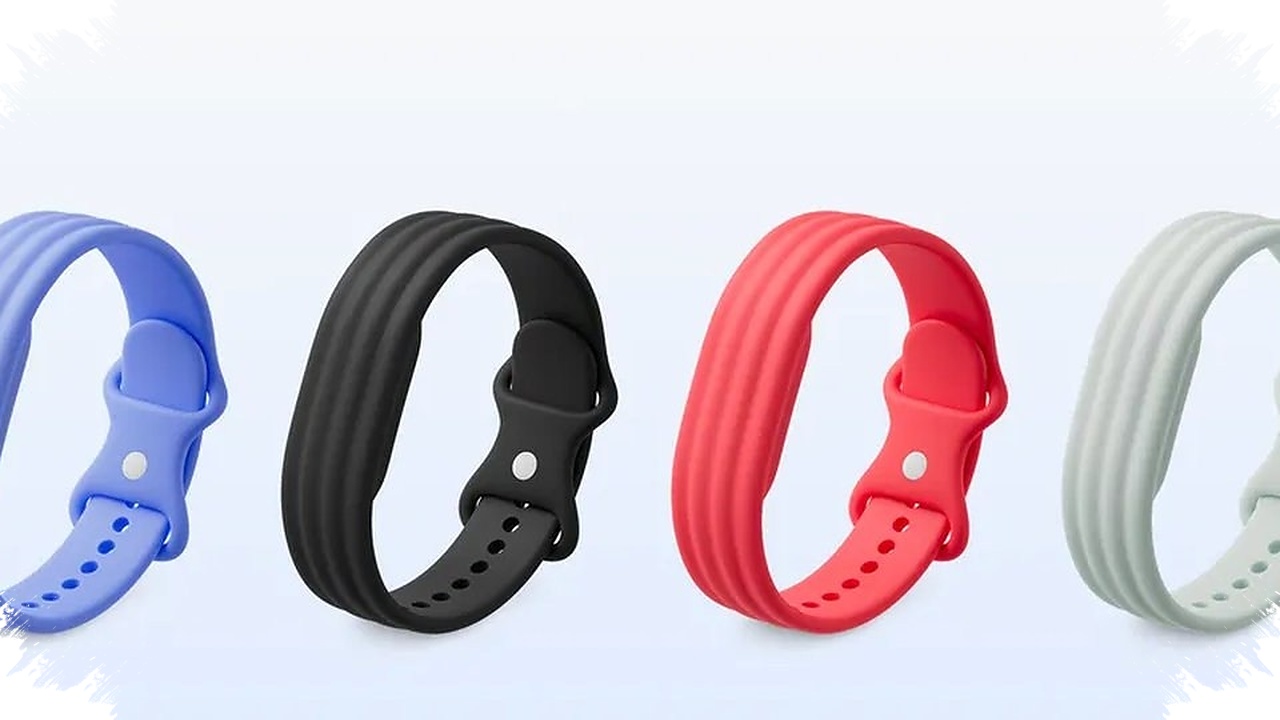
Fitbit Air borrows a familiar fitness-band concept, but Google says it is nearly half as thick as a Whoop band. The body uses a pebble-shaped plastic housing, while the strap is made from textile material and finished with a stainless steel buckle.
The design is intentionally restrained, with no display at all. Google appears to want the band to blend into everyday routines rather than stand out on the wrist.
Color options include Obsidian, Lavender, Berry, and Fog. Google is also offering a special Stephen Curry edition in gray with orange accents.
Built for tracking without distraction
Even without a screen, Fitbit Air still comes with a fairly complete set of sensors for a fitness-first device. It includes an optical heart rate sensor, SpO2 sensor, temperature sensor, a 3-axis accelerometer paired with a gyroscope, and a haptic motor.
Those components allow the band to handle basic health and activity tracking while staying out of the way. Google is clearly framing it as a device that works in the background, rather than one meant to serve as a hub for notifications or visual interaction.
The product also arrives alongside the broader Google Health shift, which reflects Fitbit’s updated identity under Google’s ecosystem. That gives the launch a different feel from a traditional wearable update.
Battery life is a major part of the pitch
One of the strongest claims around Fitbit Air is its battery endurance. Google says the band can last up to 7 days on a single charge, although it has not revealed the battery capacity.
Charging is also described as relatively quick, with a full recharge taking about 90 minutes. Google adds that just 5 minutes of charging should be enough for a full day of use.
That kind of battery story matters for a screenless tracker, since the product is meant to be worn for long stretches without frequent interruptions. It also supports the idea that users should not have to think much about the device once it is on.
Software and extras expand the package
Google is bundling three months of Health Premium at no extra cost for Fitbit Air buyers. The new Health app also brings personal health coaching powered by Gemini as part of the software experience.
There is also a small ecosystem of accessories for users who want to change the look or function of the band. Google sells Performance, Active, and Elevated Modern bands, with prices of $35 and $50 depending on the model.
| Model | Price |
|---|---|
| Fitbit Air | $99.99 |
| Fitbit Air Stephen Curry Edition | $129.99 |
| Accessory bands | $35 / $50 |
Those add-ons show that Google wants Fitbit Air to work not only as a tracker, but also as a lifestyle accessory. The different strap choices give users more room to adapt the device for workouts or casual wear.
Availability is limited for now
Pre-orders are already open through Google’s official store in the US. Shipping and sales are scheduled to begin on May 26, 2026.
For the moment, Fitbit Air is available only in the US. Google has not shared any launch plans for other countries, including India.