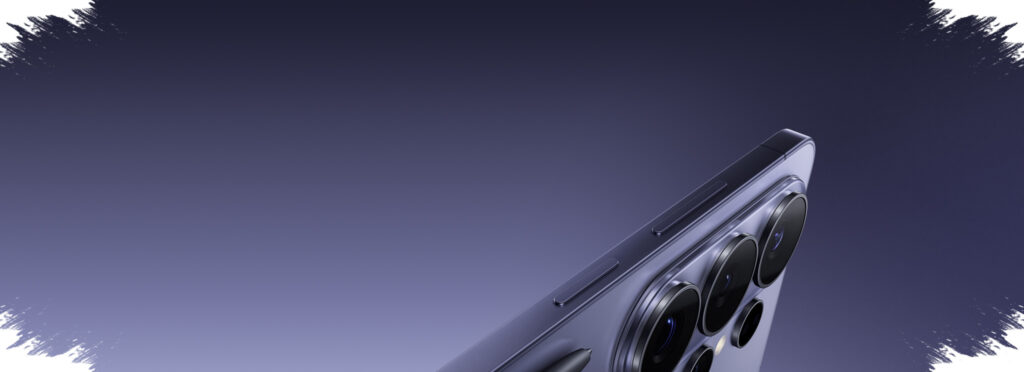
Low-light travel scenes often reveal the limits of a smartphone camera, but Galaxy S26 Ultra is positioned to make those moments far easier to capture. In Vietnam, from Hanoi’s busy streets to dimly lit concert venues and the twilight landscapes of Sapa, Samsung’s Nightography is presented as the key tool for keeping photos and videos bright, sharp, and natural.
For travelers, that matters because the best moments do not always leave room for manual camera adjustments. The process is designed to stay simple: tap the screen to lock focus, press the shutter, and let the system read the low-light scene in real time.
Night photography built for travel
Night shooting usually brings the same familiar problems, including dark results, noise, and faded colors. Samsung frames Nightography as a unified camera system that combines the sensor, optical lens, and AI to maintain clarity in difficult conditions.
That approach also reflects a longer development path across the Galaxy Ultra line. Nightography first arrived with Galaxy S22 Ultra, then expanded through the 200MP camera and astrophotography capabilities on Galaxy S23 Ultra, before moving further into video on Galaxy S24 Ultra and S25 Ultra.
Major changes on Galaxy S26 Ultra
On Galaxy S26 Series, especially Galaxy S26 Ultra, Nightography is described as receiving its most significant update so far. The main 200MP camera now uses a wider f/1.4 aperture, which is said to capture up to 47 percent more light to the sensor than the previous generation.
That increase helps reduce noise and creates a softer, more natural bokeh effect. For users who often take night portraits, the result is meant to look closer to real life without losing important detail.
Zoom that remains usable after dark
The Nightography upgrade also reaches the 50MP telephoto lens. Its f/2.9 aperture is claimed to absorb up to 37 percent more light, which helps when photographing distant subjects in darker settings.
With optical-quality 5x to 10x zoom support, users can shoot performers on stage or other faraway objects without a drastic drop in sharpness. The image is expected to stay cleaner and more resistant to noise in darker areas.
AI handles subjects and shadows in real time
Each photo is processed in real time by the latest AI ISP and ProVisual Engine. The system can separate the main subject, such as a person’s face, from a dark background while preserving natural color and shadow texture.
The same capability also applies to the front camera. When taking selfies in uneven light, AI is meant to protect fine details such as hair texture, eyebrows, and skin tone so they remain accurate.
Video gets the same low-light treatment
Nightography is not limited to still images. Clear Nightography Video adds smarter processing that reduces grain by analyzing different noise patterns on each sensor.
That makes night footage brighter, sharper, and closer to real color conditions. For travelers who want to upload content quickly from a Vietnam trip, cleaner video with less post-processing becomes a practical advantage.
Useful from day to night
In travel use, these improvements make Galaxy S26 Ultra feel versatile across many conditions. Users can shoot daytime scenes, dark streets, or twilight moments without switching devices or spending much time on manual setup.
Galaxy S25 Ultra already offered Log for video, Expert RAW for photos, and AVG for maximum video quality. On Galaxy S26 Ultra, the focus shifts to a more automatic combination that keeps image quality high while making the experience easier across different lighting situations.
From Hanoi’s crowded atmosphere to Sapa’s landscapes, the Galaxy S26 Ultra positions Nightography as more than a night mode. With brighter lenses, smarter AI, and a more practical workflow, low-light photography becomes a central part of the travel experience.