


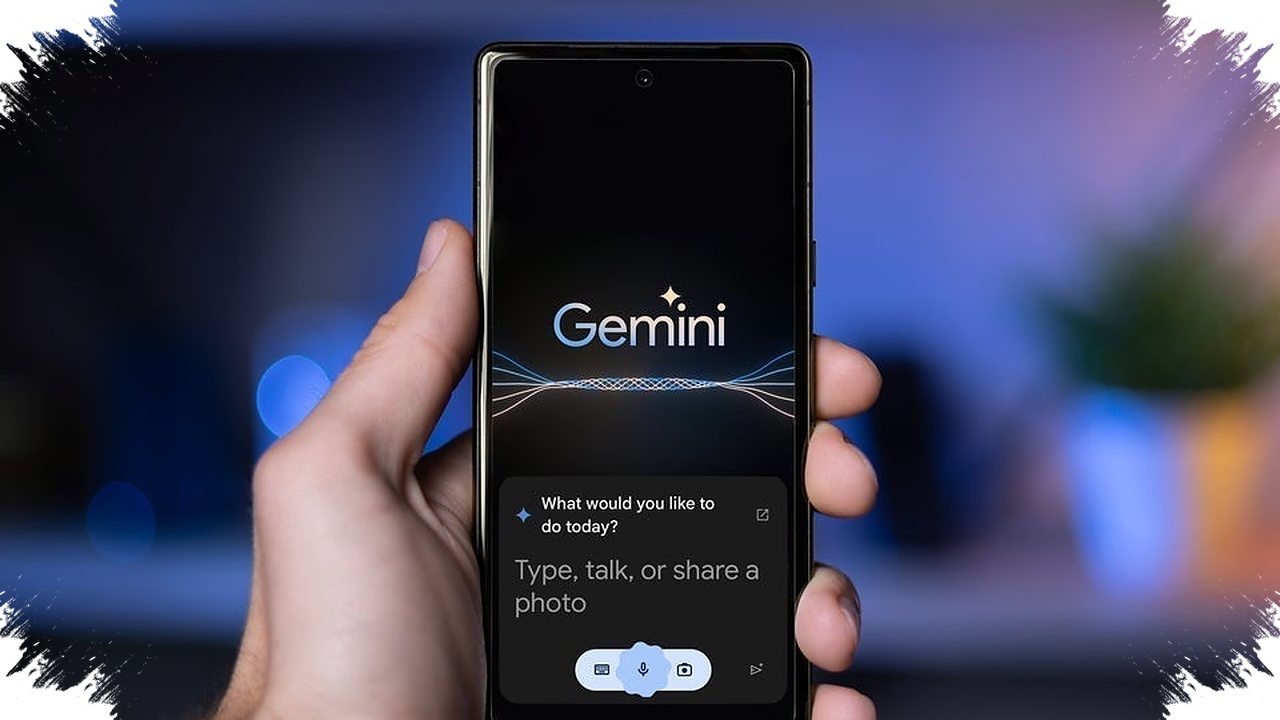
Google is pushing Android toward a new role: not just a place to run apps, but a system that can act on a user’s behalf. With Gemini Intelligence, the company is aiming to let phones handle background work and carry out multi-step tasks across different apps without constant manual switching.
That shift matters because it moves AI closer to the center of the Android experience. Instead of treating it as an extra feature, Google is building Gemini into the operating system itself, with a rollout set to begin in summer on Samsung Galaxy S26 and Google Pixel 10 before expanding to watches, cars, glasses, and laptops in the Android ecosystem.
Gemini’s main job is to connect tasks across apps
The most important part of Gemini Intelligence is its ability to automate actions that normally require several separate steps. A user can give one instruction, and the system can move through multiple services in sequence without forcing the user to open each app one by one.
Google used a simple example: a shopping list in a notes app could be turned into an order for delivery shopping just from a short prompt. In another case, Gemini is described as being able to find a class syllabus in Gmail and then place the required books into a shopping cart.
Google says the system is meant to act as a logistics manager, not a decision-maker. Gemini works after receiving a command, stops when the task is finished, and final confirmation still requires user approval.
Android is also getting a new look
The changes are not limited to background automation. Gemini Intelligence arrives alongside a new Android interface built on Material 3 Expressive, which Google says is designed to reduce distractions and help users stay focused while using their devices.
That makes the update feel broader than a simple assistant upgrade. AI is being placed deeper into how Android is used, not only into how the system responds when asked for help.
Chrome, autofill, and voice tools are part of the plan
Google is also bringing Gemini Intelligence into Chrome so browsing can feel more intelligent. At the same time, autofill is being expanded to use information from connected apps, making form completion faster and more relevant.
Another feature is Rambler, a multilingual voice correction tool designed to make speaking less exact and still get useful results. Users can speak naturally, and the system will pull out the important parts and turn them into a shorter message.
Google is also planning to let users create custom Android widgets through natural-language prompts. That approach should make interface personalization easier because not every setting has to be adjusted manually.
The rollout goes beyond phones
The company is not limiting this effort to smartphones. Google also introduced Googlebook, the first laptop designed for Gemini Intelligence, and described it as the next step after Chromebook, which was built for a cloud-first world.
Google says it is now moving from an operating system to an intelligence system. Even so, the company has not said whether Googlebook will officially replace Chromebook or when that change might happen.
The competitive pressure is obvious
The launch arrives while rivals are under pressure to deliver on major AI promises for consumer devices. Apple recently agreed to a $250 million settlement over accusations that it misled consumers about delayed or missing “Apple Intelligence” features on new iPhones.
Apple has since said it will use Google’s Gemini to help power some AI products, including Siri. That gives Google a stronger position, helped by years of investment in Gemini models, Android integration, and AI infrastructure built to bring agent-like functions directly to consumer devices.
For Android, the direction is clear. The platform is being reshaped to understand context better and to do more work for the user, with Gemini Intelligence signaling a shift from add-on AI features toward deeper system-level integration.