Google is pushing Gemini deeper into its product lineup, but not in the way many AI features first appear. Instead of standing out as a separate assistant, Gemini is being positioned as a quiet layer that works across phones, browsers, cars, laptops, and even upcoming home and wearable devices.
That shift became clearer during The Android Show: I/O Edition, where Google treated Android platform updates and core AI development as increasingly separate tracks. Gemini received the bigger spotlight at the main event, while Android itself was presented as part of a broader ecosystem rather than the center of the story.
The company’s direction suggests a major change in how Android will feel to users. Rather than adding AI as an extra feature, Google is making Gemini the connective layer that can support tasks across multiple devices at once.
Gemini becomes the default layer
Google showed Gemini handling practical tasks that go beyond simple chat. In demonstrations, the system was able to search for a fitness class slot, book a travel experience from an image, and help fill out long forms on a phone with context-aware assistance.
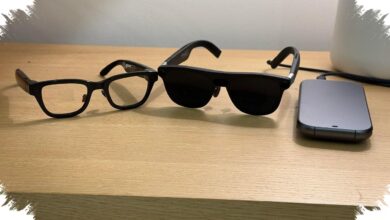
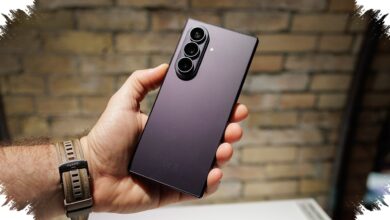
Google also confirmed a new wave of Gemini Intelligence features that will begin rolling out later this year. The first devices in line are upcoming Samsung Galaxy and Google Pixel models, before the expansion continues to TV, wearables, smart glasses, and cars.
Googlebook brings an AI-first laptop direction
One of the most visible hardware announcements was Googlebook, a new laptop category developed with Asus, Dell, HP, Lenovo, and Acer. Google has not announced pricing or availability, but the device is presented as an evolution of Chromebook for the Gemini era.
Googlebook is meant to push AI-first computing into everyday use. Its design includes a thin glowing Glowbar with four Google colors, making it immediately recognizable as part of Google’s new hardware identity.
The device also introduces Magic Pointer as a key feature. This AI-powered cursor can detect what the user is pointing at and offer relevant actions immediately, such as suggesting a meeting when the pointer lands on a date in an email.
Google said the laptop will also offer tighter Android integration. That means apps from a phone can be accessed directly on the laptop without needing separate downloads.
Android Auto gets a broader upgrade
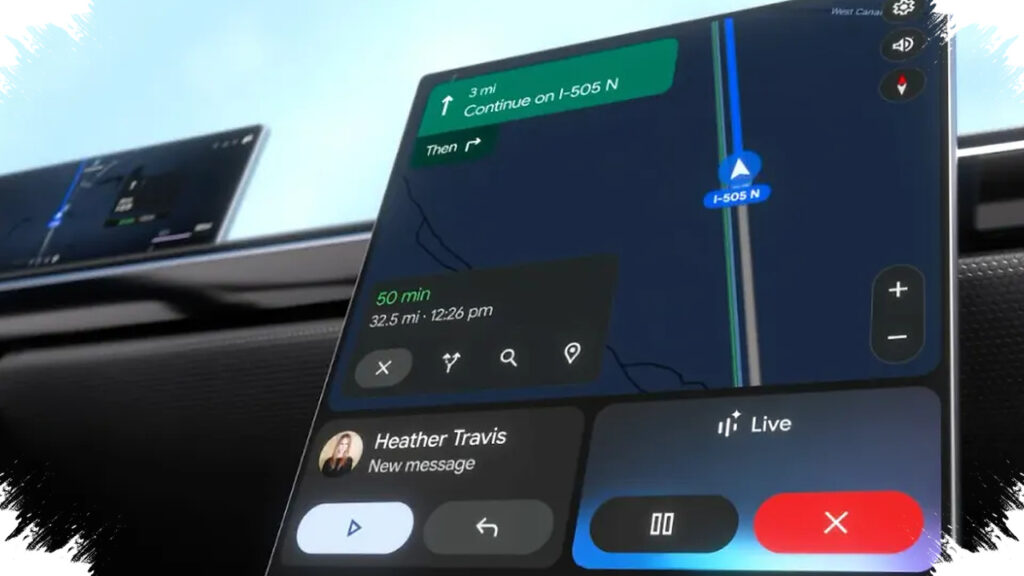
Android Auto is another major area where Google is adding AI and design changes at the same time. The interface is moving to Material 3 Expressive, along with custom theme options based on the colors and fonts of the connected Pixel device.
Google is also adding new widgets for faster access in the car. These include real-time weather information and smart home controls, such as opening a garage door from the vehicle display.
Maps on Android Auto is getting a clearer visual treatment as well. The update includes more detailed 3D maps and lane guidance designed to make navigation easier for drivers.
Entertainment is also expanding inside supported vehicles. YouTube playback will be available when the car is parked, with 1080p 60 fps video, then automatically shifting to audio-only mode once the vehicle starts moving.
Gemini is becoming more useful while driving too. Google says users will be able to complete tasks by voice, including ordering food from DoorDash and getting smarter help when replying to incoming messages.
Daily Android use gets quieter AI support
Google is also adding smaller but important AI features to everyday Android interactions. Rambler is designed as an upgrade to speech-to-text for Gemini voice use, and it can automatically remove filler words like “um” and “like” so prompts sound cleaner.
Rambler is also meant to handle multilingual conversation smoothly. That support continues even when the user switches languages in the middle of a sentence.
For personalization, Google is preparing Create My Widget. Users can describe the widget they want in natural language, and Gemini will build it for them.
There is also Pause Points for digital well-being. When a user opens a selected app, Android will hold access for 10 seconds, creating a pause before entry and suggesting more productive alternatives.
Chrome and creator tools are expanding too
Chrome on Android is getting a wider Gemini integration as well. Google highlighted three main capabilities: summarizing web pages, generating images with AI, and helping with tasks such as finding parking for an upcoming event.
For creators, Pixel devices will gain Screen Reacts, which records the user’s face and the screen at the same time. That makes reaction videos and tutorials easier to produce without a complicated workflow.
Google also pointed to Instagram improvements on newer Android devices. Those updates include Ultra HDR recording and playback, built-in video stabilization, and better editing flows.
Instagram’s Android editing tools will also receive AI-based upgrades such as video upscaling and background sound isolation. In addition, Adobe Premiere is scheduled to arrive on Android later this year with editing tools aimed at short-form video creators, including templates for YouTube Shorts.
Taken together, the announcements show a consistent strategy. Android is being shaped less as a standalone phone operating system and more as the base for AI that moves quietly across Google’s devices.