

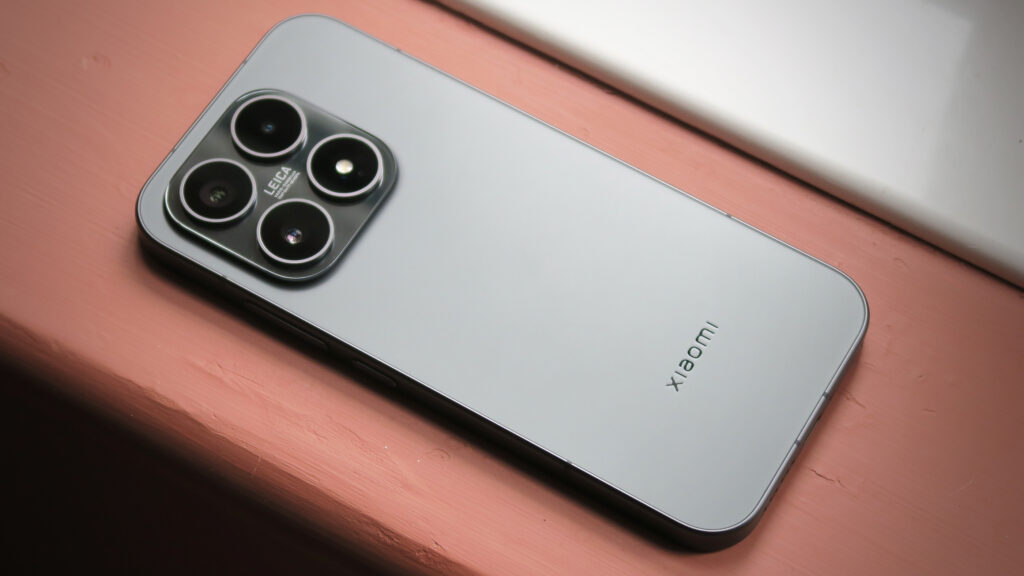
The Android market is heading into a split-screen moment. On one side, Pixel 11 is shaping up as a camera-focused upgrade that may arrive with less RAM in its base model, while Xiaomi 17 Max is leaning in the opposite direction with a massive battery and fast charging.
That contrast says a lot about the pressure facing phone makers right now. Rising costs for memory, storage, and camera components are forcing brands to choose where to spend, even as they keep pushing harder on AI features and more ambitious hardware.
Pixel 11 may trade memory for camera gains
The Pixel 11 family is expected to launch in the summer, and the base model is already drawing attention for a possible specification shift. Mystic Leaks says the entry version may come with 8GB of RAM, which would be a step down from the 12GB found in the Pixel 10.
At the same time, the phone is said to receive a meaningful camera upgrade. That combination suggests Google is trying to balance a better imaging package against higher component costs.
A 12GB version of the base model may still exist, but that would likely push the price higher. For now, the leaked configuration points to a more cautious approach on memory even as camera ambitions move forward.
Xiaomi 17 Max goes big on battery and charging
Xiaomi is taking a very different route with the 17 Max. The company has confirmed that the phone will launch later this month, and pre-orders are already open.
The device is built around Leica optics and a 6.9-inch flat display. Leaked specifications also point to an 8,000mAh battery, 100W wired charging, and 50W wireless charging.
That battery size would make the Xiaomi 17 Max the largest in its family. The Xiaomi 17 Pro Max uses a 7,500mAh battery, while the Xiaomi 17 Ultra is listed with a 6,000mAh unit.
Other reported features include an ultrasonic fingerprint scanner and symmetric stereo speakers. Digital Chat Station has also estimated the starting price at CNY 5,199, or about $765.
Cost pressure is shaping both strategies
These two phones highlight how sharply the flagship segment is changing. One brand appears to be protecting margins by tightening memory on the base model, while another is betting on endurance, fast charging, and a large screen to stand out.
That shift is not limited to smartphones alone. Google has also been using The Android Show ahead of Google I/O Developer conference to outline features planned for Android 17, including 3D emoji, AI-powered personalized widgets, wider Quick Share/AirDrop access, an AI transcription tool called Rambler, and a Pause Point feature for screen-time control.
The same event also pointed to major changes for Android Auto. Google says the platform will be better adapted to different screen sizes and shapes, while also gaining Material 3 Expressive, widgets, and support for streaming YouTube content to car displays.
Broader Android moves continue across devices
Google is also positioning Googlebook as the successor to the Chromebook platform. The device is expected to bring more Gemini AI features to laptops, including Magic Pointer, a cursor tool developed with Google Deepmind.
Magic Pointer is designed to offer quick, contextual suggestions when a user points at something on screen. Google’s examples include creating a meeting schedule from a date in an email or showing two images side by side for easier comparison.
The wider Android ecosystem is also moving in other hardware categories. Acer has expanded its Android tablet lineup in India with the Iconia iM11-22M5G, which comes with an 11.45-inch IPS display, 90Hz refresh rate, 8GB of RAM, 128GB of storage, a MediaTek 8791 chip, and a 7,400mAh battery.
The tablet carries a metal body, measures 7.85mm thick, and weighs 535 grams. Its display has a 2,220 x 1,440 resolution and up to 450 nits of brightness, while the MediaTek 8791 uses an octa-core CPU built on a 6nm process and a Mali-G68 MC4 GPU.
Refurbished phones gain more relevance
Supply pressure on memory and storage is also helping keep renewed and second-hand devices in focus. Samsung has expanded its Renewed program in India by adding four handsets, including the Galaxy S25 and S25 Ultra.
The listed prices include the Certified Re-Newed Galaxy S25 Ultra 256GB at INR 97,499 and the Galaxy S25 256GB at INR 58,749. The Galaxy A56 is offered in two versions, with the 8GB/256GB model priced at INR 31,499 and the 12GB/256GB version at INR 32,749, while the Galaxy A36 is listed at INR 23,249 for the 128GB variant.
These moves suggest that manufacturers are trying to cover more of the market at once, from premium new releases to official refurbished models. That approach is becoming more visible as component costs continue to influence what reaches the shelf and how much flexibility buyers get in each tier.