


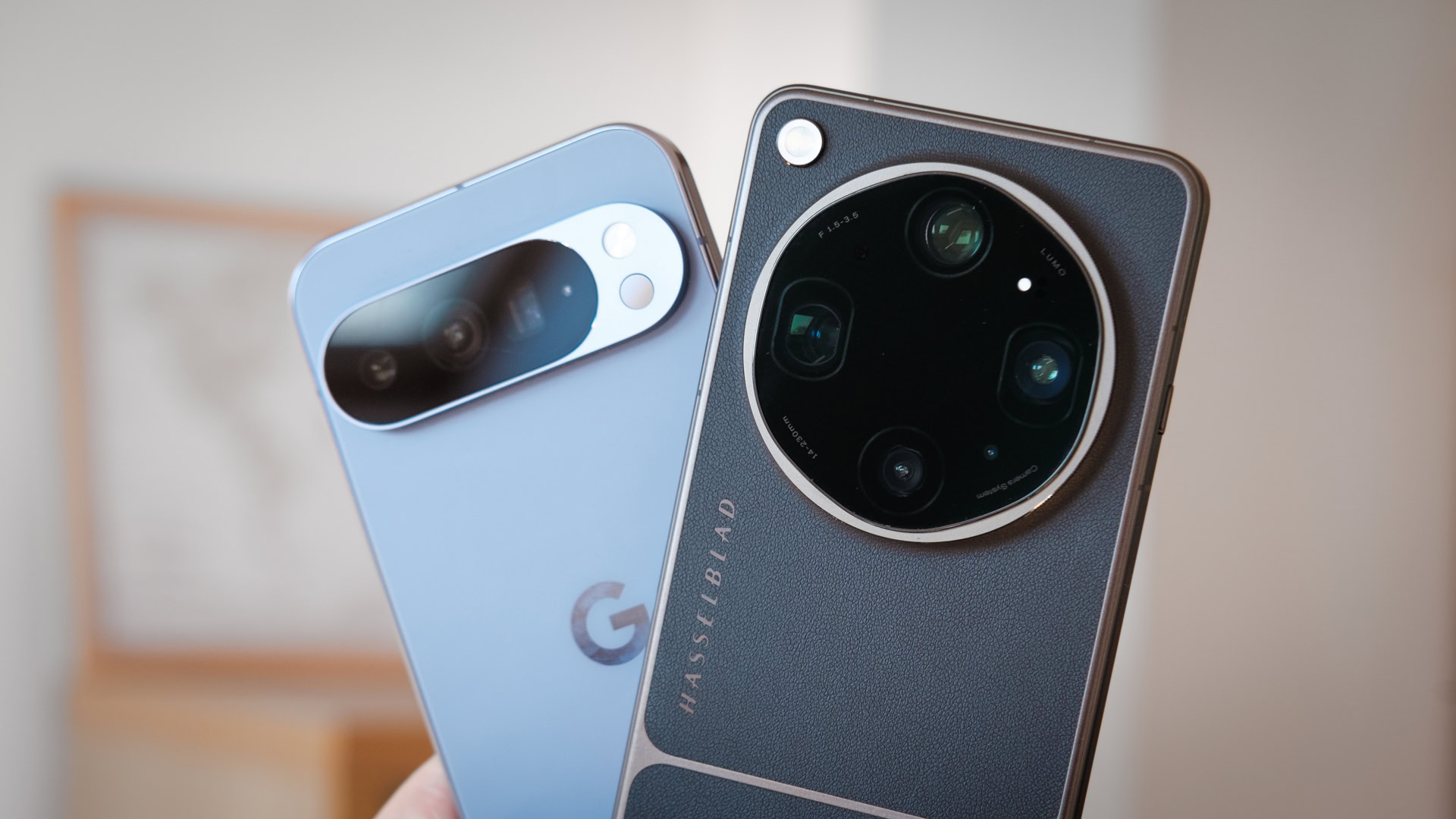
The clash between OPPO Find X9 Ultra and Pixel 10 Pro XL is less about brand rivalry and more about two very different ideas of what a flagship should be. One leans into extreme hardware, while the other tries to win with AI, computational photography, and a cleaner Android experience.
That contrast makes the decision unusually clear for buyers who know what they want. The OPPO model aims at users who value the most aggressive specs, while Google’s Pixel 10 Pro XL targets those who prefer smarter software and long-term comfort.
Two flagships, two priorities
OPPO Find X9 Ultra presents itself as a photographic powerhouse from the outside in. Its large camera module, synthetic leather finish option, IP68 and IP69 certification, and infrared blaster give it a tough, premium identity.
Pixel 10 Pro XL takes a calmer route. Its iconic horizontal camera bar and polished aluminum frame create a more restrained look, while Google puts more emphasis on software polish and ecosystem integration.
That difference goes beyond appearance. OPPO feels like a device built to impress with hardware, while Pixel focuses on making daily use feel simple, consistent, and intelligent.
Display and media use favor OPPO on paper
For users who spend a lot of time gaming or watching high-quality video, the Find X9 Ultra has the stronger technical sheet. It comes with a LTPO AMOLED 144Hz panel, Dolby Vision support, and a peak brightness level of up to 3600 nits.
Pixel 10 Pro XL still uses a LTPO OLED 120Hz display with very strong color calibration. Even so, the raw specifications put OPPO ahead for HDR streaming and competitive gaming.
That does not make the Pixel display weak. It remains a premium screen, but its appeal is more about balance than headline-grabbing numbers.
Performance gap reflects each company’s philosophy
Inside, OPPO equips the Find X9 Ultra with Snapdragon 8 Elite Gen 5, up to 16GB of RAM, and UFS 4.1 storage. That combination is built for heavy multitasking, demanding games, and modern AI workloads that need serious headroom.
Google uses Tensor G5 in the Pixel 10 Pro XL. The chip is designed more around AI optimization, computational photography, and smooth software behavior than maximum raw power.
In everyday use, the Tensor G5 should still feel comfortable. But for sustained gaming loads and long-term GPU-heavy performance, the Snapdragon platform in the OPPO is likely to have the edge.
Battery and charging create a wide split
Battery life is another area where OPPO pushes harder. The Find X9 Ultra uses a 7050mAh silicon-carbon battery, paired with 100W fast charging and 50W wireless charging.
Pixel 10 Pro XL carries a 5200mAh battery with Qi2 wireless charging and 45W fast charging. Those numbers are practical, but they do not match the capacity or charging speed of OPPO’s package.
For active users and mobile gamers, that difference matters. OPPO offers more room for intense use, while the Pixel takes a more measured approach.
Camera hardware versus AI photography
The camera fight may be the most interesting part of this comparison. OPPO Find X9 Ultra uses a dual 200MP setup, including a large periscope camera and an additional 10x periscope zoom lens.
OPPO also adds Hasselblad tuning, along with professional video tools such as Dolby Vision HDR, O-Log2, and cinematic LUT support. That makes it especially attractive for users who care about both photography and mobile videography.
Pixel 10 Pro XL answers with computational photography and AI features. Best Take and Zoom Enhance are designed to make images look natural, consistent, and easy to capture in daily use.
The front camera strategy also differs. OPPO uses a 50MP selfie sensor, while Pixel offers a 42MP ultrawide camera that is more flexible for group shots and social content.
Price sets the value argument
The Find X9 Ultra is expected to arrive at around US$1,150, while the Pixel 10 Pro XL is priced at around US$1,200. That places OPPO slightly lower while offering a more aggressive hardware package in several key areas.
Google counters with up to seven years of Android updates, exclusive AI features, and a cleaner Android experience. Those advantages matter most for users who want software longevity and a more controlled ecosystem.
In the end, the two phones do not chase the same buyer. OPPO Find X9 Ultra is the stronger pick for users who want the most brutal hardware package, while Pixel 10 Pro XL is built for those who value AI intelligence, consistency, and a smoother long-term Android experience.