


The Pentagon has raised its counterintelligence threat assessment for Israel to the highest level, according to two current U.S. officials and one former official. The move reflects growing concern that Israel has stepped up efforts to spy on the United States, especially around sensitive debates inside the Trump administration on the war with Iran.
The change came in recent weeks as tensions between Washington and Jerusalem deepened over the next phase of the conflict. A current U.S. official said the Defense Intelligence Agency circulated an internal message that placed Israel at the “critical” level, a designation tied to worries about surveillance of senior American officials and access to internal decision-making.
Why the Pentagon escalated the alert
Officials said the DIA assessment points to concerns that Israel is making a specific effort to collect information on top U.S. officials. The focus appears to be on how the Trump administration is discussing the wars in the Middle East and what choices it may make next.
One current official said the DIA document spans seven pages and includes a chart. That assessment reportedly says Israel’s human espionage and technical collection capabilities are at a “critical level,” and it identifies several incidents that increased U.S. concern.
The officials did not say whether one single event triggered the upgrade. They said the concern grew from a broader pattern that went beyond normal intelligence competition between countries.
Israel rejects the accusation
The Israeli embassy in Washington strongly denied the claim. A spokesperson said it is “completely false” that Israel spies on the U.S. and added that Israel does not gather intelligence on American entities or U.S. government officials.
The spokesperson also said Israel’s intelligence efforts target its enemies, not its allies. The embassy said any contrary claims are either misinformed or politically driven.
The Pentagon declined to comment, and the White House said the story was false and based on a source who “doesn’t have any knowledge of what’s going on.” The Office of the Director of National Intelligence did not respond to a request for comment.
Tensions tied to the Iran war
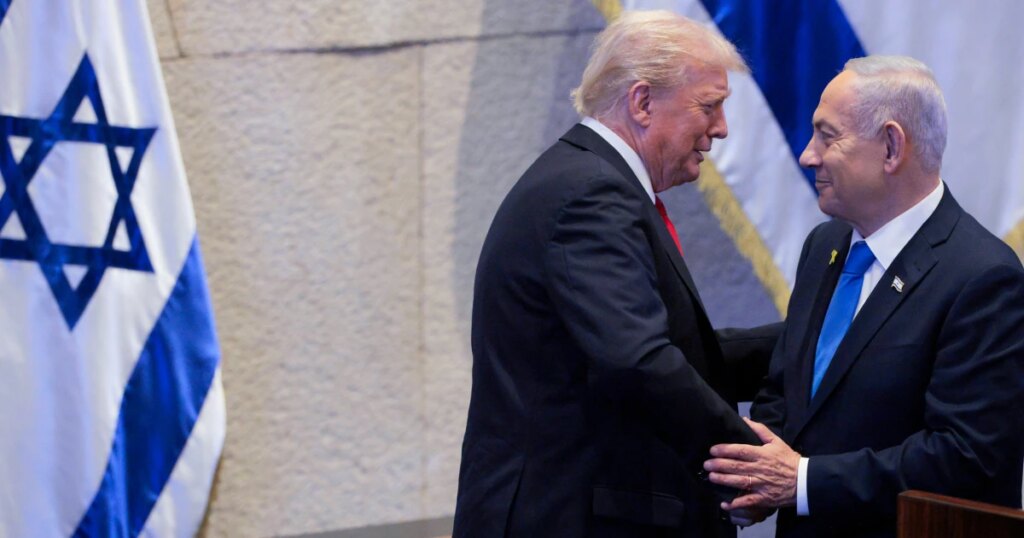
The alert comes as Trump and Israeli Prime Minister Benjamin Netanyahu have clashed over the conflict with Iran and Israel’s military operations in Lebanon. NBC News reported that the dispute included a tense phone call this past week, after which Trump told reporters he had called Netanyahu “crazy.”
The two governments appear to be drifting on strategy. Trump has been pursuing a diplomatic deal with Iran after a ceasefire went into place in early April, while Israel has expressed doubt that Tehran would honor any agreement.
Netanyahu has pushed for renewed bombing of Iran and has also disagreed with Trump’s push to scale back attacks against Hezbollah in Lebanon, according to Western officials. U.S. officials and outside experts said Israel wants to know whether Trump will resume major combat operations against Iran or try to end the conflict.
What the new level means in practice
Despite the heightened assessment, officials said there is no sign that daily intelligence sharing between the U.S. and Israel has stopped. They said the main effect is likely to be greater caution by U.S. officials when traveling to Israel or meeting Israeli counterparts.
One current official said the U.S. already takes added precautions in Israel. “They’re well-known to aggressively collect,” the official said.
The broader counterintelligence system in the U.S. is designed to detect and limit spying by both adversaries and partners. Under U.S. law, the FBI has the lead role, but several agencies and the military also take part in that work.
A long history of suspicion
U.S. officials and experts said Israel has long had a reputation for aggressive intelligence collection, including against the United States. That history has kept the issue under close watch in Washington for years.
Top U.S. officials often use burner phones and computers when traveling to Israel, and they may avoid sensitive conversations in hotel rooms during official visits. Emily Harding of the Center for Strategic and International Studies said Israel has “a hyper-aggressive intelligence service” and described it as “exceedingly interested in what we are up to.”
The issue has surfaced before in major ways. In the 1980s, the Jonathan Pollard case caused a serious rupture when the former U.S. Navy intelligence analyst was convicted of passing top-secret documents to Israel and spent 30 years in prison.
The U.S. also spies on allies and partners, as shown by the 2013 leaks tied to Edward Snowden, which revealed U.S. surveillance of European leaders, including then-German Chancellor Angela Merkel’s mobile phone. Those disclosures triggered outrage in Berlin and showed that intelligence gathering among allies is not unusual, even if it remains politically sensitive.
Why this moment is especially sensitive
Former officials said the current concern matters because the U.S. and Israel are still close allies, yet they are not fully aligned on the war with Iran. That mismatch creates added risk for trust between the two sides, especially when both governments are trying to shape the next phase of a volatile regional conflict.
Officials said the intelligence relationship between the two countries remains deep and operationally important. Still, the new Pentagon assessment shows how quickly strategic disagreements can turn into counterintelligence worries when both sides fear the other is trying to read internal debate and influence future decisions.
Read more at: www.nbcnews.com