


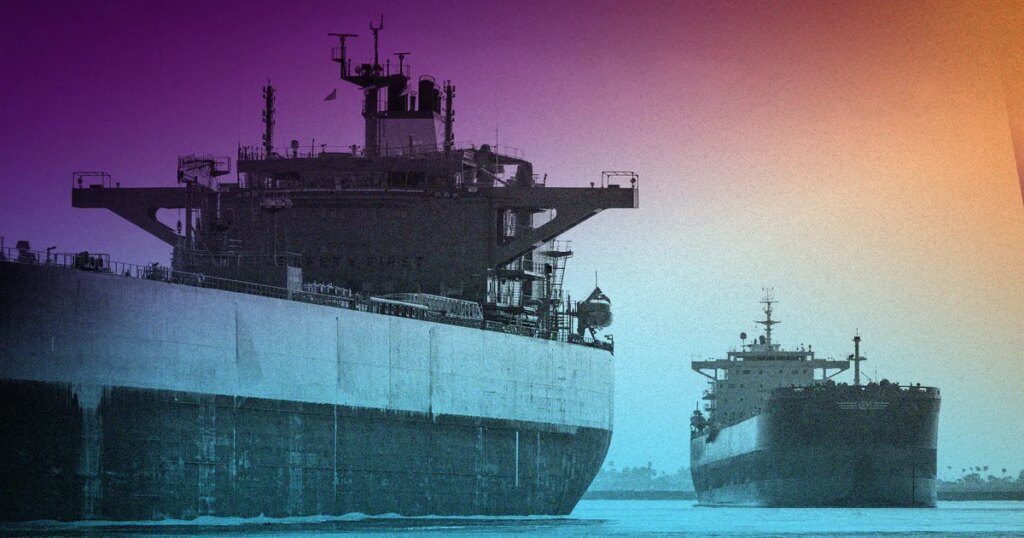
The war around the Strait of Hormuz may be winding down, but the economic fallout is not over yet. The deal now taking shape between the U.S. and Iran could reopen a critical shipping lane and bring some relief to global energy markets, though prices are still expected to stay elevated for a while.
That is the basic tension at the center of the agreement: Washington can point to an end to overt hostilities, but Iran appears to have secured meaningful concessions in return. As Gregory Brew, a senior analyst on Iran and oil at the Eurasia Group, told nymag.com, the arrangement looks designed to do two things at once, end the war and restore the flow through the strait.
The Strait Could Reopen Quickly
Brew said the reopening itself should happen fairly fast once the agreement is in place. He expects flows to recover to roughly a third or perhaps half of prewar levels within a month, helped by an international security presence already positioned in the Sea of Oman.
According to Brew, the U.K., France, India, and even China have warships ready to help sweep mines and protect shipping as vessels move back through the strait. He also said there are between 50 and 75 empty ships waiting in the Sea of Oman to resume traffic.
Why Iran Got So Much Leverage
The deal includes economic incentives for Iran, including the unfreezing of some funds held overseas and a sanctions waiver that would let it export oil at market prices for a period of time. Brew said Iran is also expecting the U.S. to lift its blockade, and reports now indicate several Iranian oil tankers have already headed east toward China.
He said the most important part of the crisis was not just the damage Iran suffered, but the leverage it proved it had. “A deal is only coming together because of what Iran has achieved in the strait,” he said, adding that Tehran’s ability to close the waterway is now its biggest bargaining chip.
Why Prices Did Not Spike Further
Oil prices did rise during the conflict, but not to the extreme levels some analysts feared. Brew pointed to four reasons: reduced Chinese oil imports, sharp drawdowns in inventories, demand destruction in several regions, and continued tanker traffic through and around the strait.
China cut its oil imports from 11 million barrels a day in December to just over 6 million barrels a day in May, easing pressure on the global market. At the same time, strategic reserves and commercial inventories were drained, while weaker jet-fuel, diesel, and petrochemical demand removed even more pressure.
What U.S. Drivers Should Expect
Domestic gasoline prices in the U.S. move closely with global crude prices, and Brew said that has helped keep American prices from becoming catastrophic. He noted that the U.S. remains a major producer of oil and refined products, which has cushioned the impact at home.
Even so, he said drivers should not expect an immediate return to old levels. As the Strait of Hormuz reopens and regional output slowly recovers, gasoline prices in the U.S. are likely to remain above $3.50 a gallon, if not higher, because inventories have been drained and production across the region will take months to normalize.
The broader market picture is still fragile. Brew said the real recovery will be gradual, with oil, refined products, and natural gas all taking time to settle back toward normal as regional producers reverse shutdowns and shipping resumes more fully.
For now, the key shift is that Iran has shown it can disrupt one of the world’s most important chokepoints and use that power to force negotiations. That makes the end of the war look less like a clean victory than a pause shaped by the leverage Tehran created.