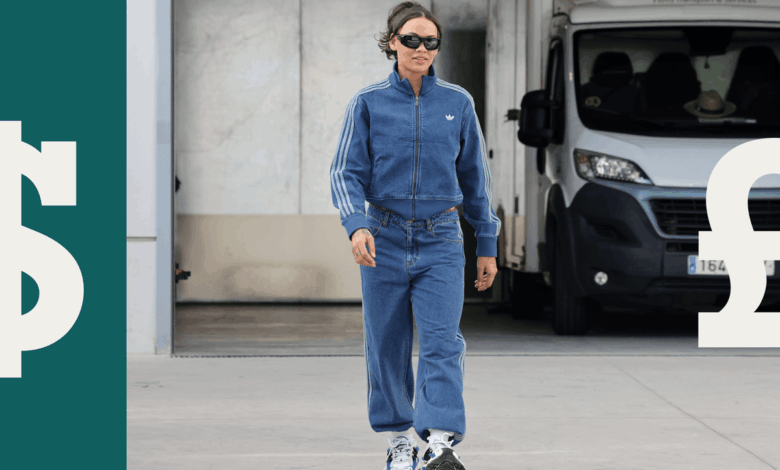
Adidas did not choose a men’s national-team star to anchor its World Cup marketing. Instead, the brand put Trinity Rodman at the center of a campaign built around the men’s tournament, a decision that says as much about U.S. soccer culture as it does about advertising.
Rodman’s appearance alongside Timothée Chalamet, Jude Bellingham and Lamine Yamal was not a random cameo. It reflected the way she has become one of the most recognizable figures in American soccer, with a profile that extends far beyond the Washington Spirit and the U.S. women’s national team.
Why Rodman fits Adidas’s message
Rodman, Sophia Wilson and Mallory Swanson have built the kind of domestic familiarity many men’s players still lack. They play in front of American crowds every week in the NWSL, which gives them a constant public presence and a direct connection with fans.
Kyle Sheldon, chief operating officer of Name & Number, told The Athletic that the players are “legitimate global stars” and pointed to the strength of the NWSL across the country. He also said Rodman’s introduction at a sold-out Spirit match produced a reaction he had seen only with David Beckham and Lionel Messi.
That level of audience pull matters in modern sports marketing. Laura Correnti, CEO and founder of Deep Blue Sports + Entertainment, said brands are focused on “stopping people in the feed,” and Rodman’s posts and live moments create exactly that kind of ripple effect.
More than follower count
Rodman has fewer than one million Instagram followers, but marketers say her influence cannot be measured by audience size alone. Her injuries, fashion choices and personal life all tend to become headlines, which gives her a mix of attention, authenticity and cultural weight that brands value.
She also appears in campaigns for State Farm, Sam’s Club, Dick’s Sporting Goods and Dove Men+Care during the men’s World Cup on U.S. soil. That range shows how broad her commercial appeal has become, even outside traditional women’s sports marketing.
The NWSL’s Rodman Rule effect
The league has already treated Rodman as a player worth protecting. Last year, the NWSL introduced its High Impact Player mechanism, a roster rule designed to help clubs keep transformational stars by allowing spending beyond standard salary limits.
Many around soccer call it the “Rodman Rule,” and Sheldon compared it to the league mechanism created to bring Beckham to MLS. Correnti said the rule could prove one of the most consequential decisions for the long-term commercial future of women’s soccer in the United States.
If Rodman had left for Europe, the NWSL would have lost one of its best players and one of its strongest marketing assets. That is part of why her presence in U.S. club soccer matters as much off the field as it does on it.
What her rise says about the business of soccer
Women’s soccer players in the United States have spent years building personal brands because they often earned far less than men on salary alone. Social media, sponsorships, athlete-owned media and NIL opportunities helped turn direct fan relationships into a commercial advantage.
Correnti said the market is now entering an “individual-over-institution era,” where fans increasingly follow athletes rather than teams or leagues. In that environment, Rodman is not just a player in Adidas’s campaign; she is the kind of personality brands believe can carry attention across the entire sport.
That may be why her inclusion in a men’s World Cup ad landed so strongly. Adidas was not just selling a tournament, but betting on a player whose reach now crosses the old boundaries between men’s and women’s soccer.