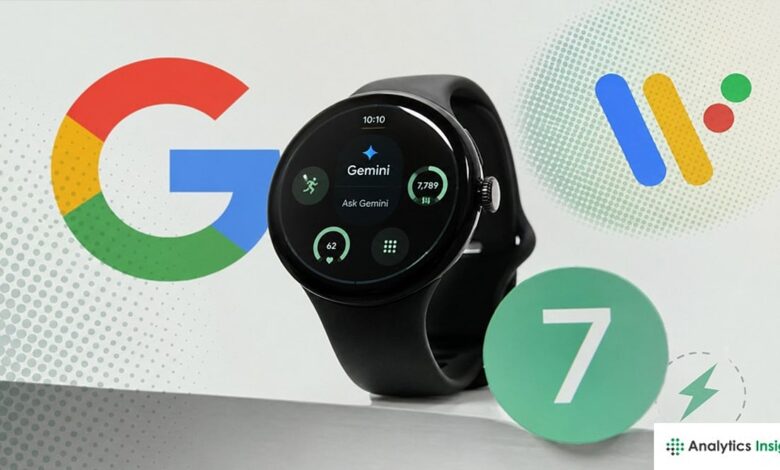
Wear OS 7 is starting to change what a Pixel Watch is expected to do. Instead of serving mainly as a phone companion, the smartwatch is being positioned as a control hub for a wider set of connected devices, including Google’s unreleased smartglasses.
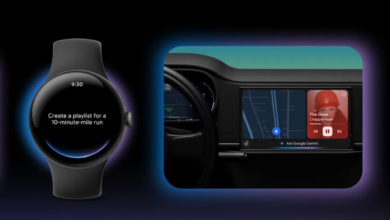
The update began rolling out to compatible Pixel Watch models on June 16. Google says the platform was built from the ground up to work more closely with other devices, and the clearest sign of that shift is how the watch can support interactions with smartglasses.
One example shared by Google shows a user taking a photo with smartglasses and seeing that image previewed immediately on the smartwatch. That kind of handoff suggests the Pixel Watch could become a fast, wrist-mounted companion display for Google’s future wearable lineup.
A broader wearable strategy
The smartglasses example is only part of the larger picture. Wear OS 7 also adds media controls for earbud and smart home speaker use, along with the ability to move audio playback from one device to another.
That approach points to a more connected ecosystem where the watch becomes the easiest place to manage everyday actions. For users, it could mean fewer moments when the phone needs to come out just to switch audio or check what another device is doing.
Google is also preparing the platform for more advanced tasks through Gemini Intelligence. Features discussed by Google at Google I/O 2026 are set to reach the watch platform, expanding what can be done from the wrist.
Among the standout additions is Create My Widget, a tool first introduced in The Android Show. It lets users describe the dashboard or widget they want, and Gemini builds it based on that spoken request.
On a smartwatch, that kind of assistance could remove some of the friction that usually comes with setup. Instead of arranging elements manually from scratch, users can rely on voice input to shape the interface they need.
Gemini Intelligence is also expected to handle additional tasks through access to other Google apps. Google says that includes help with restaurant reservations and food delivery orders.
Live information, right on the wrist
Wear OS 7 also brings Live Updates to the smartwatch experience. The feature is designed to surface timely information for activities that change quickly, so users do not have to keep reopening apps.
Examples include food delivery progress and sports scores. The goal is to make those updates visible at a glance, which fits the quick-check nature of a smartwatch screen.
This focus on immediate information matches the broader direction of Wear OS 7. On a device meant for brief interactions, short and useful updates are often more practical than long app sessions.
Battery life and compatibility
Google is also promising better power efficiency at the system level. Wear OS 7 is said to improve battery life, with Google estimating an average increase of around 10% per charge.
Actual results will depend on how each person uses the watch, but battery gains matter more when the device is expected to do more. A smartwatch that handles control, media, and smart suggestions needs the stamina to support that expanded role.
The update is compatible with Google Pixel Watch 2, Pixel Watch 3, and Pixel Watch 4. Google has not provided a more detailed release schedule beyond the June 16 rollout start.
For other Wear OS brands, timing will be announced separately. Samsung and other manufacturers will decide which models qualify and when the update reaches them.
Still, the most important message in Wear OS 7 is already clear. Google is building a tighter link between the Pixel Watch, audio devices, home devices, and the smartglasses it has yet to launch.