


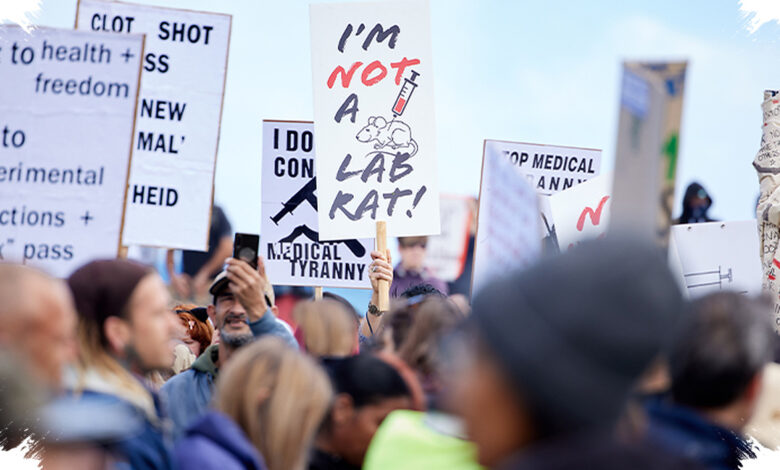
COVID vaccine mandates helped raise vaccination rates, but they may also have left a longer and messier legacy: more distrust, more polarisation, and more people questioning government and science.
That is the central tension in the debate now unfolding around falling childhood vaccination rates and rising hesitancy. The University of Western Australia’s Katie Attwell says it is too simple to blame mandates alone, especially when lockdowns, border closures, disinformation and political distrust also shaped public attitudes.
Why mandates are only part of the story
Australia’s COVID inquiry drew a clear link between mandates and mistrust in government and medical science. But Attwell argues it is difficult to separate the effect of mandates from other coercive pandemic measures that also triggered resistance.
Her work on the MandEval project looks at the impact of COVID vaccine mandates on uptake, public attitudes, legal challenges and possible harms. She has interviewed more than 130 senior government and policy figures in Australia, the United Kingdom, Europe and California.
| Factor | What it did | Why it matters |
|---|---|---|
| COVID vaccine mandates | Raised vaccination rates but triggered backlash | Can fuel reactance and mistrust |
| Lockdowns and border closures | Also used coercive limits during the pandemic | Makes it hard to isolate the effect of mandates |
| Disinformation economy | Amplified outrage and confusion | Undermines agreement on policy facts |
| Political polarisation | Turned vaccination into a camp-based issue | Makes routine vaccination harder to sustain |
What leaders expected
According to the interviews described by Attwell, decision-makers in Australian states and territories, as well as overseas governments, believed mandates were needed to protect lives. They also anticipated backlash, including resistance from people who had complied with lockdowns and border restrictions.
That backlash did not stop the policies from increasing vaccination coverage. But it may have helped set the stage for later scepticism, especially where people felt that government had overreached or acted unfairly.
How the backlash spread
Attwell says mandates can produce “reactance”, where people push back against limits on their freedom. They can also deepen political polarisation, turning vaccine safety and benefits into identity issues rather than public-health questions.
She adds that influencers and content creators have financial reasons to push divisive debates, while foreign actors were already using bots before the pandemic to stir up vaccination arguments and destabilise societies.
In that environment, a relatively small but larger-than-before group now refuses vaccinations. But the problem is not confined to countries that used mandates most aggressively.
Trust in government is part of the problem
Distrust of vaccines often overlaps with distrust of government and health institutions. Some people’s concerns about safety or effectiveness reflect deeper doubts about the systems that deliver vaccination programs.
Attwell’s team found that some people in Western Australia who refused COVID vaccines already viewed government negatively, but mandates made them feel morally punished. For a number of participants, that response hardened into a vow never to vaccinate again.
What happens next
Attwell argues that if governments use mandates again, they need to do the groundwork first. That means clearer communication about benefits, risks and uncertainties, plus more accessible programs and better explanations of why mandates are being used.
She also says communities should be involved in decision-making before the next emergency outbreak, including through citizen panels that can question experts and shape recommendations.
Another weak point is compensation for rare vaccine injuries. The COVID inquiry recognised the need for such a scheme, but Australia’s version was short-lived, hard to access and paid out very few claims.
Without a fair and accessible compensation system, Attwell warns, people can come to distrust government motives long after the emergency has passed. That mistrust can keep affecting vaccination programs well beyond the pandemic itself.