


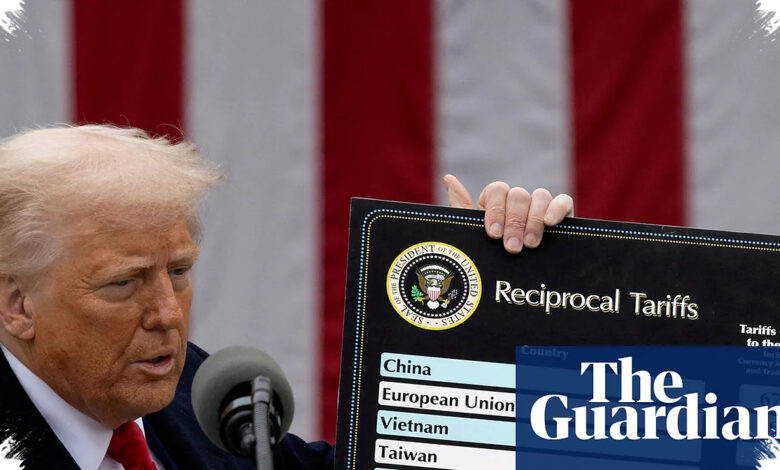
The US government has already returned $81bn in tariff refunds this fiscal year after the supreme court ruled a big chunk of Donald Trump’s extra tariffs illegal. The surge has turned a policy sold as an economic fix into a costly reversal for Washington.
Refunds surged after the court ruling
The refunds are far above the $5bn paid out over the same stretch last year, according to budget figures released on Monday. A Treasury department official said the jump is almost entirely tied to the supreme court decision, with most of the payments landing in May and June.
Trump had presented the tariffs as a broad answer to several economic problems, including bringing factories back to the US, securing better trade deals and shrinking the federal deficit. But the deficit is now moving in the wrong direction again after a brief improvement last year from tariff income.
The fiscal pressure is piling up
The deficit reached $1.367tn in the first nine months of the fiscal year, up 2%. Over the same period, the US spent more than $1tn on interest payments alone, which was up 14%, while military spending rose 5% because of the war in the Middle East.
| Measure | This Fiscal Year | Same Period Last Year |
|---|---|---|
| Tariff refunds paid | $81bn | $5bn |
| Deficit in first nine months | $1.367tn | Up 2% |
| Interest on debt | Over $1tn | Up 14% |
| Military spending | Up 5% | Because of the war in the Middle East |
The current temporary 10% global tariff is due to expire on 24 July, but the White House is preparing new duties. Those would target what it sees as weak enforcement of anti-forced-labor laws and excess industrial capacity.
Tariffs have remained central to Trump’s economic agenda since he returned to office last year. The latest refund data shows how quickly that strategy can run into legal and financial limits when challenged by the courts.