The New York Mets could face significant roster decisions as their difficult 2026 season shifts attention toward the trade deadline and an uncertain offseason. Yet the organization may resist the kind of sweeping reset frustrated fans want, with ownership weighing short-term failure against the infrastructure built under president of baseball operations David Stearns.
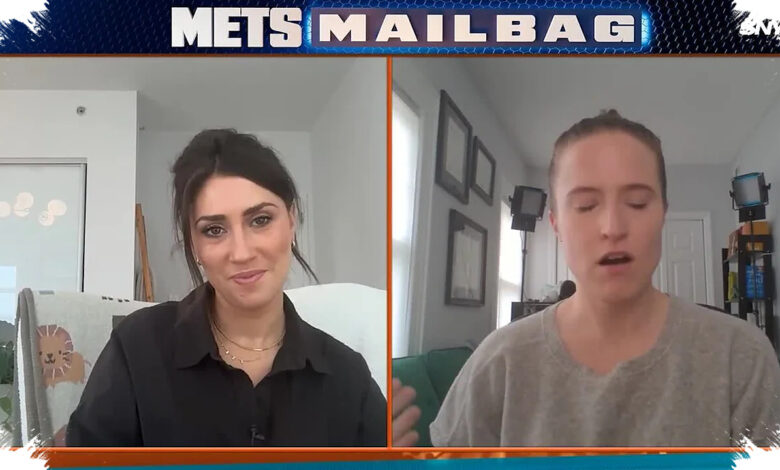
The biggest immediate question is which players could move before the deadline. SNY MLB insider Chelsea Janes said the Mets may explore major trades, particularly involving players who fit better on contenders than on a club trying to give younger players more opportunity.
Trade Value Could Shape the Deadline
Veteran outfielder Taylor has made a strong case for more playing time with his defense, bench production, and ability to contribute without regular at-bats. Janes said that profile could make him a valuable trade asset, even if there is limited room for him in a Mets lineup focused on younger players.
Francisco Alvarez could also draw interest, according to the discussion on sports.yahoo.com. The catcher still has notable power, years of team control, and the potential to help a club that can use his bat at designated hitter while relying on another catcher for more of the defensive workload.
The Mets appear to be moving toward giving Torrens a larger share of the catching duties. Janes pointed to the stronger results some starters have had while working with him, while noting that Alvarez’s offensive potential still makes the situation complicated.
Run Prevention Has Become a Central Failure
Much of the club’s disappointment has been tied to poor run prevention, from a rotation that lacked sufficient depth to defensive alignment problems caused by injuries. The Mets had envisioned a more stable infield, but key players have not consistently been available in their intended roles.
Janes argued that any renewed commitment to run prevention must begin with starting pitching depth. The Mets believed they had enough coverage entering the season, but the rotation did not hold up as expected.
The running game has also declined sharply after the club set a franchise stolen-base record last season. The Mets ranked 29th in stolen-base success rate this season, a drop Janes linked partly to the departure of coach Antoine Richardson and to more aggressive decisions when the offense was struggling.
Juan Soto’s earlier calf issue also limited the club’s willingness to ask him to run as often. Janes said that protecting Soto’s health became a larger priority after the injury, reducing one element of the Mets’ offensive pressure.
Stearns Still Has Public Support, but Not an Unlimited Guarantee
Steve Cohen has publicly supported Stearns while emphasizing that he does not want to “churn and burn” executives at the first sign of trouble. Janes said Cohen’s approach reflects a belief that frequent dismissals can make it harder to attract top baseball decision-makers.
That support should not be read as an absolute promise that Stearns will finish his contract. Janes noted that Cohen has also said the organization is evaluating its direction constantly and may need to adjust if results do not improve.
A change at the top would carry consequences beyond the major league roster. Stearns has been credited with helping build the Mets’ player-development, analytics, and minor league systems, and Cohen may be reluctant to disrupt those areas if he believes parts of the organization are progressing.
At the same time, concerns about player regression in the minor leagues could become part of the broader evaluation. The Mets must decide whether the 2026 setbacks are a one-season breakdown or evidence that deeper changes are necessary.
Coaching Staff and Offseason Pressure
The pitching and hitting coaches are likely facing internal scrutiny even if they have not been the most visible targets of public criticism. Janes said coaches have felt the pressure of a season they have been unable to correct, though it remains difficult to isolate their individual influence.
Injuries have complicated any judgment of the hitting staff, while the pitching side has dealt with a difficult adjustment after a change from the previous coaching group. The performance of healthy contributors, including Soto and several younger hitters, makes a simple verdict harder to reach.
The offseason could become even more challenging if labor negotiations lead to an MLB lockout after the current collective bargaining agreement expires. Janes explained that transactions and direct communication with players would stop during a lockout, potentially forcing teams to make major decisions either before it begins or in a compressed period after a new agreement.
For the Mets, the path back to contention may depend less on one dramatic move than on avoiding another round of miscalculation. The club has the resources to improve quickly, but its next choices on pitching depth, player development, leadership, and deadline trades will determine how credible that recovery looks.