Several significant Formula 1 eras will conclude at the upcoming Abu Dhabi Grand Prix in December, marking a turning point for teams, technologies, and manufacturers.
Seven key transitions stand out, reflecting both endings and potential fresh beginnings in the sport.
Yuki Tsunoda’s F1 Journey Ends
Japanese driver Yuki Tsunoda will race his final Formula 1 Grand Prix under Red Bull backing. Despite 100 starts, he has not secured a podium but leaves having surpassed many peers in longevity. Valentin Khorounzhiy notes that Tsunoda’s talent was never fully tapped, and this weekend likely caps his Red Bull-supported career, though he remains a reserve driver.
Sauber’s Historic Presence Concludes
The Sauber F1 team, active since its 1993 debut, will race its last event before evolving into an Audi operation. Peter Sauber’s team survived numerous ownership changes, including a BMW partnership and a near collapse, before Audi’s phased takeover in 2022. Edd Straw describes Sauber’s journey as remarkable, becoming a dependable midfield contender over three decades.
End of the Drag Reduction System Era
The Drag Reduction System (DRS), introduced in 2011 to promote overtaking, will see its last weekend. Though it altered the fabric of racing with its artificial nature, it prevented overly processional races. Valentin Khorounzhiy reflects that DRS served as a critical, though imperfect, mechanism for 15 seasons.
Honda’s Partnership with Red Bull Ends
Honda’s era powering Red Bull cars, starting unofficially in 2018, concludes after a highly successful period. During this time, the partnership achieved 71 race wins and multiple titles. Scott Mitchell-Malm highlights the special bond between Max Verstappen and Honda, comparing its significance to legendary relationships in F1 history.
Ground Effect F1 Cars Farewell
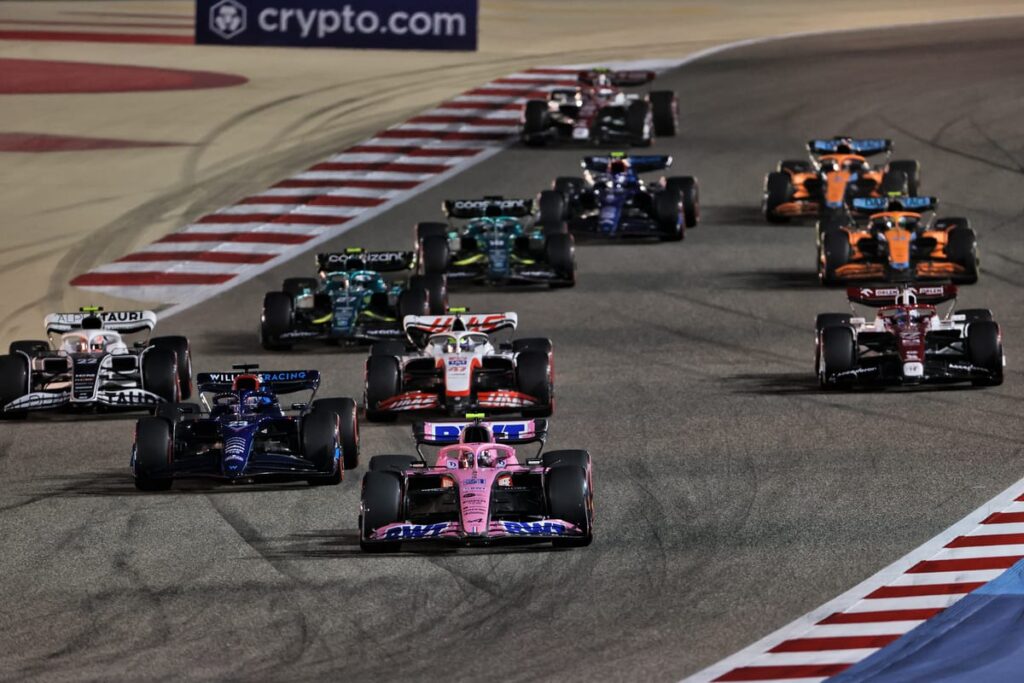
The current generation of ground effect cars, introduced recently but criticized for their heavy weight and challenging handling, will be replaced. Some drivers, including Lewis Hamilton and Carlos Sainz, have found these cars difficult and less enjoyable to drive. Samarth Kanal points out that despite mixed opinions, this era featured notable technical innovations and close championship battles.
Mercedes and Aston Martin’s Long-Standing Engine Deal Ends
Mercedes-powered Aston Martin, tracing back to Force India’s switch in 2009, will compete for the last time with this historic supplier. This partnership powered several unexpected successes like Racing Point’s race win in 2020. Jack Benyon emphasizes that Aston Martin looks forward to new Honda engines but must prove its progress under the new formula.
Renault’s Engine Manufacturing Chapter Closes
Renault’s involvement as a Formula 1 engine manufacturer, dating back to turbo V6 introductions in the late 1970s, comes to a close. Over nearly 770 grands prix, Renault engines earned 169 wins and 12 constructors’ titles. Gary Anderson reflects on Renault’s pioneering innovations and strong legacy, though recent years showed competitive struggles. Alpine will switch to Mercedes power units going forward.
These seven era endings at Abu Dhabi signal major shifts in Formula 1’s competitive landscape and technological directions. While some teams and technologies withdraw, new chapters and partnerships are set to shape the future seasons.
Read more at: www.the-race.com