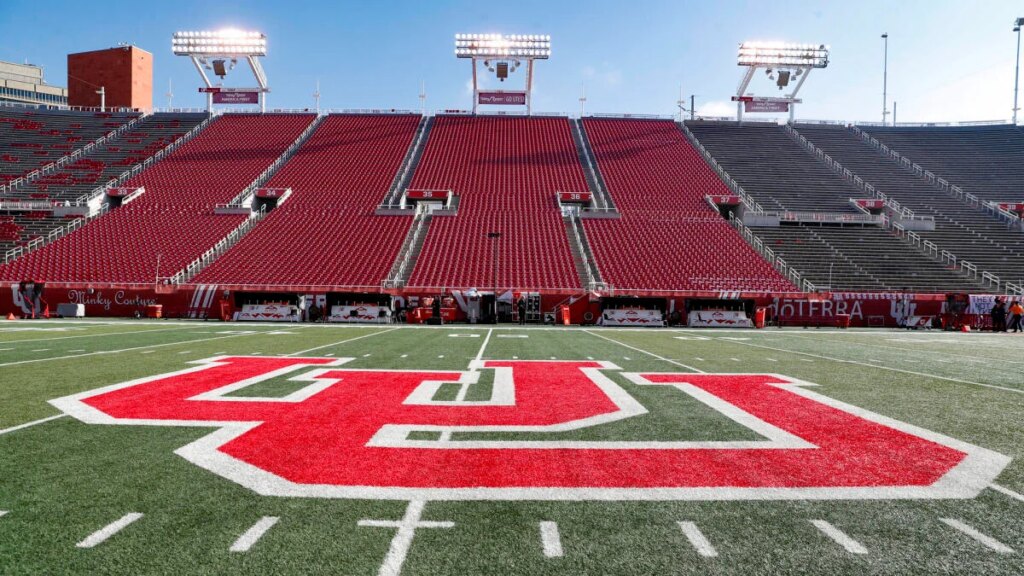
The University of Utah is set to finalize a groundbreaking private equity agreement valued at approximately $500 million. This partnership with New York-based private equity firm Otro Capital marks the first deal of its kind in college athletics.
Utah received approval from the NCAA to pursue this arrangement while committing to specific conditions. University president Taylor Randall and athletic director Mark Harlan will maintain majority control over decisions to comply with NCAA membership rules.
A new for-profit entity, Utah Brands & Entertainment LLC, will be established to operate the athletics program independently from the university itself. This joint venture will be co-owned by Utah and Otro Capital, with the university retaining majority ownership and decision authority. Otro Capital will receive a share of annual revenue generated by the entity.
The agreement includes a planned exit strategy within five to seven years, allowing Utah the option to buy out Otro Capital’s stake. Utah Brands & Entertainment will manage revenue-sharing with athletes and effectively serve as the athletic department’s operating body. Mark Harlan will chair its board, which will appoint an external president to oversee day-to-day operations.
Philanthropic donors will also have the opportunity to purchase ownership stakes in Utah Brands & Entertainment. Combined with the capital from Otro Capital, Utah aims to raise in excess of $500 million. This funding influx positions the school to succeed within the evolving revenue-sharing framework in college sports.
Utah’s pioneering deal follows the resolution of the House v. NCAA case, which paved the way for private equity involvement in college athletics. While other institutions and conferences have explored similar investments, Utah is the first to finalize such a partnership.
Earlier efforts by Florida State and proposals from major conferences like the Big 12 and Big Ten have yet to produce finalized agreements. Utah’s model might set a precedent allowing schools to expand athletic department revenues significantly. Enhanced financial resources could improve athlete recruitment, retention, and competitive success.
If Utah’s venture proves viable, private equity participation in college sports will likely grow substantially. This development reflects a broader transformation in how college athletic programs finance themselves in a post-House settlement environment.
Read more at: www.cbssports.com