


Soft Toys and a Jagged Edge: Russia’s Circling Return to the Winter Olympics
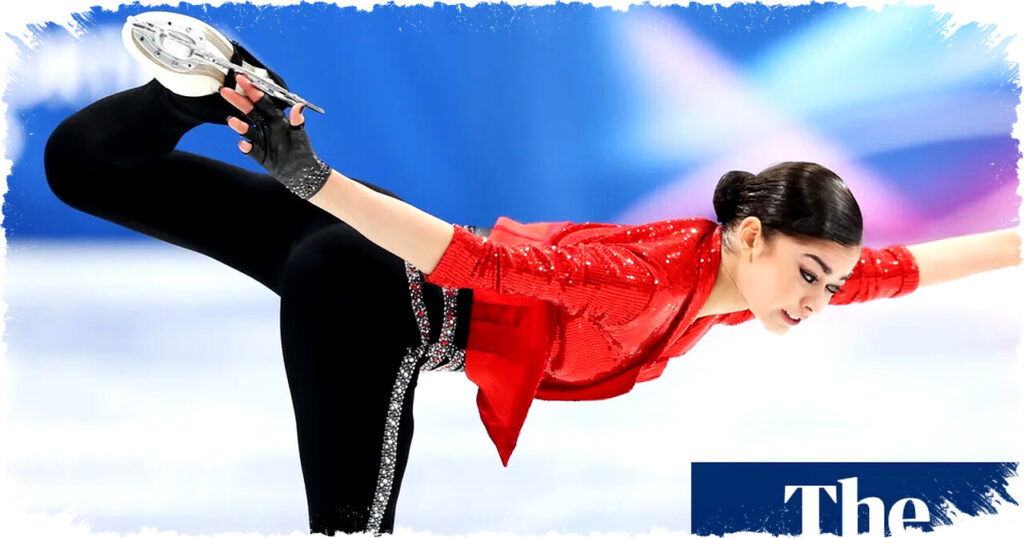
At the Winter Olympics 2026 in Milan-Cortina, Russian athletes remain under a cloud, competing without their national flag or anthem. Yet the close attention given to the 18-year-old figure skater Adeliia Petrosian’s performance signals a deeper significance beyond medals. Russia has yet to claim a podium finish, but the growing anticipation in Moscow reveals the Kremlin’s shifting attitude toward its Olympic participation.
Just two years ago, Russia’s stance was icy and unforgiving. Athletes competing as “authorised neutral athletes” at the Paris Olympics faced denunciation from high-ranking figures, including rhythmic gymnastics chief Irina Viner, who branded them “traitors.” The Kremlin discouraged participation without national symbols. Now, the narrative has changed drastically, showing renewed official support and pride.
Shifts in Moscow’s Olympic Mood
Russian officials are increasingly vocal in support of their athletes at these Games. Dmitry Peskov, the Kremlin’s press secretary, described watching the athletes perform as “a must-see.” Prominent media personalities echo this sentiment, embracing the athletes openly after a period of denial and division. Dmitry Guberniev, a Putin loyalist and TV host, publicly celebrated Petrosian and mocked previous critics who labeled Paris competitors traitors.
This warm reception contrasts starkly with the ongoing war in Ukraine, highlighting a complex political backdrop. Nevertheless, sports insiders widely expect Russia’s full reinstatement in the Olympic movement. The trajectory points toward a gradual reacceptance under the national flag and anthem, despite recent controversies.
International Olympic Committee’s Stance
The International Olympic Committee has taken steps hinting at Russia’s reintegration. In December, the IOC advocated for Russian youth athletes to compete internationally under their flag, which could pave the way for more comprehensive participation, including the upcoming Youth Games. IOC President Kirsty Coventry emphasized the principle that “every athlete should be allowed to compete freely without being held back by the politics and divisions of their governments,” implicitly referring to Russian athletes.
Such moves signal a softer, more inclusive policy aimed at separating athletes from geopolitical disputes. However, challenges remain, including Russia’s unilateral inclusion of occupied Ukrainian territories in its Olympic committee and outstanding financial dues to the World Anti-Doping Agency.
Russia’s Assertive Push for reinstatement
Mikhail Degtyarev, Russia’s sports minister and head of the Russian Olympic Committee, has voiced confidence about a prompt return to international competitions. He forecasts a reinstatement possibly as soon as April or May. Degtyarev also issued a clear warning that Russia will pursue legal action if the IOC delays. He plans commercial lawsuits in Swiss courts, citing financial losses due to the ban on Russian athletes.
Despite these tensions, Degtyarev downplays existing obstacles, viewing them as manageable rather than insurmountable. His remarks reflect an assertive stance that combines diplomacy with readiness to challenge the IOC legally if necessary.
Challenges and Grievances at the Games
On the ground in Italy, Russian athletes experience isolated frustrations. Ski mountaineer Nikita Filippov publicly lamented receiving hygiene products instead of the standard Samsung mobile phone allocated to competitors—an issue tied to their neutral status. Additionally, figure skater Petr Gumennik’s sixth-place finish sparked mild protest in Russia. Even Peskov, citing his wife Tatiana Navka’s expertise, implied the judges’ attitudes affected the outcome and hinted Gumennik could have been a top-three contender.
These incidents underline the uneasy reality for Russian athletes performing without their country’s symbols. Yet officials urge the public to focus on the bigger picture. Degtyarev reminded skeptics that the athletes remain proud Russians, loyal despite restrictions on formal representation.
Looking Ahead
The presence of Russian athletes at the Winter Olympics, even as neutrals, marks a symbolic victory for Moscow. According to Degtyarev, simply participating prevents a greater blow to national prestige. This pragmatic acceptance suggests that future Games might see a full Russian comeback with all national symbols restored.
Speculation about a diplomatic thaw at the 2028 Los Angeles Olympics, including images of Donald Trump greeting Vladimir Putin amid Russian flags, once seemed unlikely. Today, however, many see such scenarios as possible. Russia’s strategic patience and quiet legal brinkmanship indicate that its full return to Olympic competition is circling closer than many expected, framed by both soft gestures like tossed stuffed toys and a harder resolve beneath the surface.