Crunchyroll’s Sekiro Anime Director Shares Insights on Adaptation Challenges and Creative Process
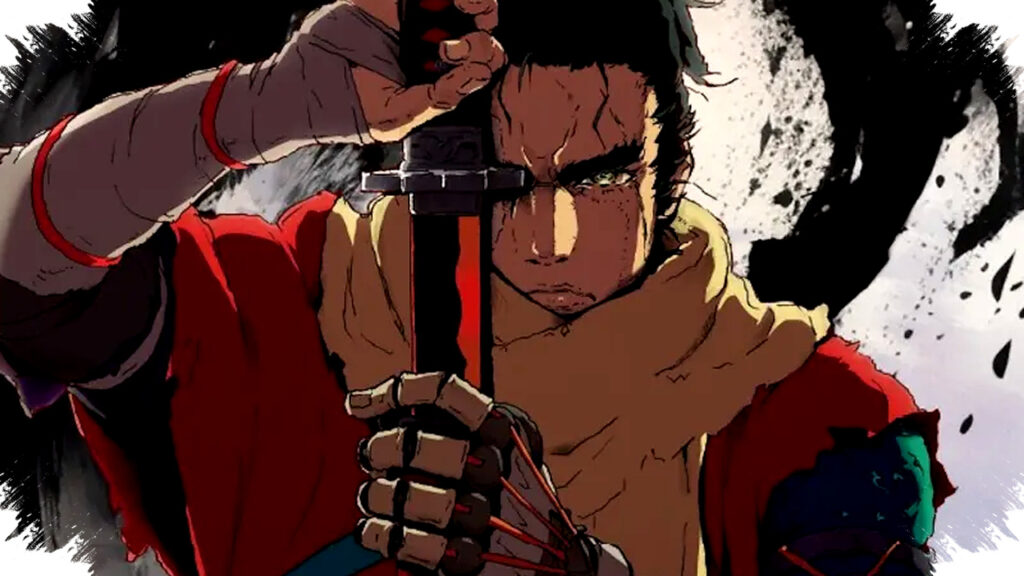
Crunchyroll recently unveiled the trailer for its upcoming anime adaptation of the acclaimed action-adventure game Sekiro: Shadows Die Twice. Directed by Kenichi Kutsuna and animated by Studio Qzil.la, the series follows the shinobi warrior Wolf during Japan’s Sengoku period as he endeavors to rescue his lord. This hand-drawn anime seeks to translate the intense, immersive gameplay experience into a rich audiovisual narrative.
In an exclusive interview with Variety, director Kenichi Kutsuna discussed the complexity of adapting the game for television. He emphasized the importance of preserving as many core elements from the original game as possible, while acknowledging the impossibility of replicating every detail. “The game offers a first-person point of view which doesn’t suit anime, so we adapted it for an audiovisual medium,” Kutsuna explained. This shift required blending imagery and storytelling in new ways to maintain the essence of the source material without mimicking the player’s experience directly.
Balancing Fan Expectations and Creative Liberties
From the announcement at Gamescom onward, anticipation for the Sekiro anime has been high, alongside intense scrutiny from the dedicated fanbase. Kutsuna acknowledged this pressure, stating the production team fully understands the passionate audience will examine the adaptation meticulously. He reassured fans that the anime strives to uphold FromSoftware’s reputation for quality. “We did everything possible on our side to maintain a production level that respects the ‘Sekiro’ brand,” he noted. The director also addressed early controversies about suspected AI involvement in the teaser, clarifying that such speculations were unfounded and have since been resolved.
Maintaining the Core Experience: Multiple Story Paths
A key element Kutsuna aimed to replicate was the game’s allowance for players to choose different paths, leading to varied outcomes. He highlighted the game’s unforgiving nature and interpretive freedom as fundamental pillars. “We wanted the anime to invite interpretation, much like how players navigate the game’s challenges and moral choices,” he said. This approach attempts to capture the nuanced player engagement intrinsic to Sekiro’s appeal.
Collaborative Development and Storytelling
The anime’s screenplay and storyboarding were developed in close cooperation with FromSoftware. Kutsuna confirmed the series focuses on one of the three principal narrative branches from the game. FromSoftware reviewed and approved all major creative decisions to ensure alignment with the original world-setting. This collaboration marks the first time the studio has allowed one of its intellectual properties to be adapted into a non-interactive medium, marking a significant milestone.
The Role of Music and Sound in Conveying Emotion
Composer Shuta Hasunuma, also participating in the SXSW festival panel alongside Kutsuna, discussed the critical role of music in the anime adaptation. He emphasized the need to authentically evoke the historical period while also expressing characters’ internal emotions. According to Hasunuma, music plays a vital part in guiding viewers through the narrative’s intense and intimate moments. “In linear storytelling, musical resolution allows for nuanced emotional textures that differ from the interactive game experience,” he remarked.
Upcoming SXSW Festival Panel and Episode Screening
Kutsuna and Hasunuma are set to elaborate on the making of Sekiro: No Defeat at the SXSW Festival panel, which will include an exclusive screening of the first episode. This event promises to offer fans deeper insights into the production choices and creative challenges involved in adapting such a revered game.
The Sekiro anime represents an ambitious experiment in translating a beloved, complex video game into a new storytelling medium. Through close consultation with FromSoftware and careful attention to the source material’s spirit, the production team aims to deliver a respectful and engaging adaptation that resonates with both gamers and anime viewers alike.
Read more at: variety.com