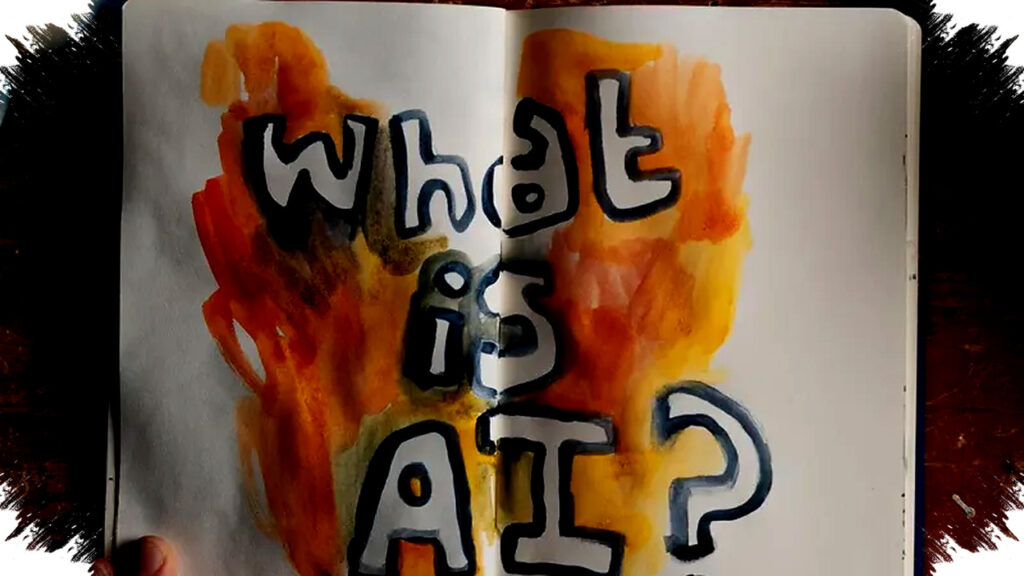
The filmmakers behind “The AI Doc: Or How I Became an Apocaloptimist” say the most important thing to understand about artificial intelligence is that it is no longer a distant idea. Daniel Roher and Charlie Tyrell spent nearly three years investigating the technology, and their film now plays in theaters as a wide-ranging look at how AI is shaping daily life, public policy, and the future their children may inherit.
Their central message is simple: AI is not a passing tool that can be fully ignored or easily switched off. Tyrell said the biggest realization from the project was that “there probably isn’t an ‘off switch,’” adding that the real question has shifted from whether AI should exist to how people live with it responsibly.
How the film was built around fear, hope and responsibility
The documentary began with a personal question after both directors learned they would become fathers in early 2024. That changed the frame of the project from a broad tech story into a more urgent inquiry about what kind of world children will grow up in if AI keeps advancing at its current pace.
Producer Ted Tremper helped drive the research by developing more than 100 contacts, including sources inside major AI labs. Roher and Tyrell then interviewed more than 40 AI experts on camera and collected about 3,300 pages of transcripts, turning a planned one-year production into a much longer investigation.
What the filmmakers say people need to know
Tyrell and Tremper argue that AI should not be treated as either purely beneficial or purely dangerous. They say the technology carries both promise and peril, and the public debate becomes more useful when it moves beyond simple labels.
- AI is already embedded in everyday systems.
- Public choices now will shape how the technology develops.
- People do not need to become experts, but they should ask basic questions about who built the systems and what values they serve.
- Regulation, public pressure and civic action all matter.
- Passive use of AI can leave important decisions to companies and governments alone.
The filmmakers also warn that many of AI’s effects are invisible. It can influence loan approvals, hiring decisions, school learning systems, news feeds and medical care, often without users fully seeing the process behind those outcomes.
A call for conscious use, not automatic acceptance
Roher described the film’s title idea, “apocaloptimist,” as a third path between doom and blind optimism. Speaking at Sundance, where the film premiered, he said the team was rejecting both apocalypse thinking and uncritical enthusiasm, because neither response is enough to deal with a technology of this scale.
That approach also shapes the advice the filmmakers offer viewers. Tyrell said there is no single correct way to engage with AI because it enters different lives in different ways, whether through work, education, parenting or public service.
The point, he said, is to engage with it consciously rather than passively. That means paying attention to how AI affects work, decisions and relationships, then making intentional choices about when to use it and when to question it.
The broader stakes around AI regulation
The filmmakers believe the current moment is especially important because the rules being formed now will set the tone for years to come. They say there is growing bipartisan support for sensible regulation and international coordination, but they also argue that laws alone will not be enough.
Public pressure, they say, will matter as much as policy. Their view is that people should hold both companies and governments accountable for how AI is built and deployed, because those in power will shape the system if the public stays quiet.
Variety chief film critic Owen Gleiberman called the documentary a “scary, dizzying and essential deep dive into the AI revolution,” writing that anyone interested in artificial intelligence should see it. That reaction reflects the film’s larger goal, which is not to settle the debate but to push viewers to think more carefully about what this technology already does and who gets to decide where it goes next.
For Roher and Tyrell, the message is that the future of AI will not be decided by specialists alone. It will be shaped by ordinary choices, public scrutiny and the willingness to ask difficult questions before the technology becomes even more deeply woven into everyday life.
Read more at: variety.com