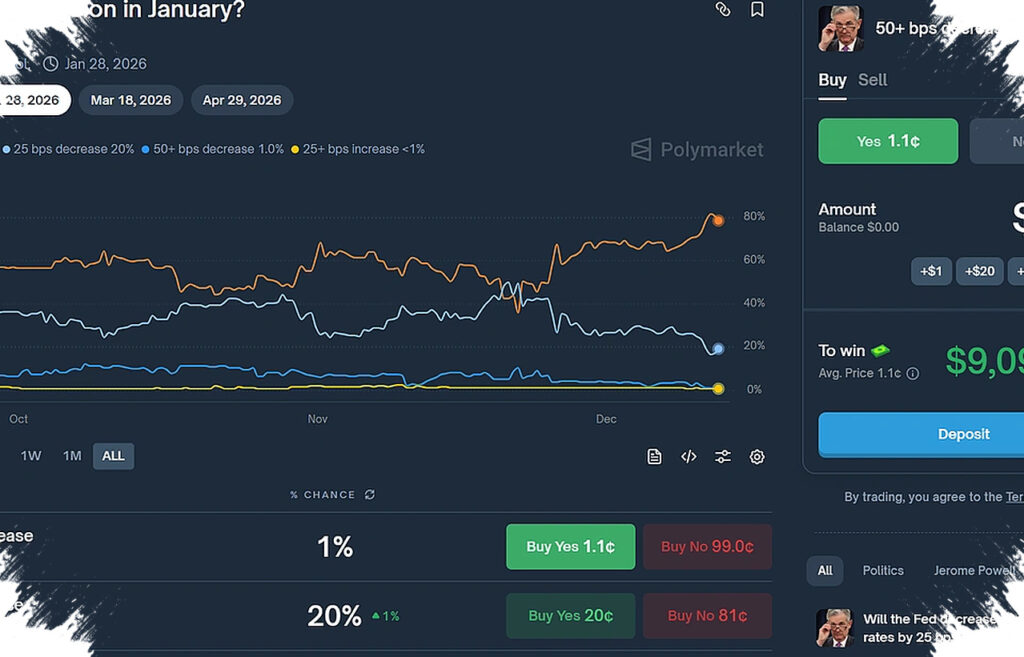
Congress is moving closer to scrutiny of Polymarket after a series of sharply timed bets appeared to anticipate major Iran-related developments before they were announced publicly. The latest backlash follows an Associated Press report that found at least 50 brand-new accounts placed large wagers on a U.S.-Iran ceasefire in the hours, and in some cases minutes, before President Donald Trump confirmed the truce on social media.
Lawmakers from both parties are now asking whether the prediction market platform failed to stop trades based on nonpublic information. The issue has widened beyond one conflict, with critics arguing that sudden, profitable bets on geopolitical events can look less like informed market activity and more like insider trading.
What triggered the latest congressional concern
The most attention came from accounts that showed no prior activity and made their only trades on the ceasefire outcome. According to AP’s reporting, those accounts placed meaningful bets just before the announcement, which raised questions about how they knew the timing of a move that was not yet public.
The pattern followed earlier cases that also drew suspicion. In one January example, an anonymous Polymarket user reportedly made about $400,000 by betting that Venezuelan President Nicolás Maduro would leave office before he was captured. In another case tied to the start of the Iran war, an account made roughly $550,000 by trading on the expectation that the U.S. would strike Iran and that Supreme Leader Ayatollah Ali Khamenei would be removed from power.
Lawmakers press for a federal review
Rep. Ritchie Torres, a Democrat from New York, sent a letter to the Commodity Futures Trading Commission asking the regulator to review the trades and investigate whether market participants had access to material nonpublic information. The CFTC oversees derivatives markets, including prediction markets.
In the letter, Torres said the timing of the bets “raises serious concerns” that some traders may have known about a major market-moving geopolitical event before the public did. He also told AP that the odds of such a trade happening by chance were extremely low, arguing that a winning bet placed minutes before a presidential announcement looks suspicious on its face.
Questions about war-related contracts
Sen. Richard Blumenthal, a Democrat from Connecticut, also sent a letter to Polymarket asking why the company continues to allow betting on war and violence. He demanded answers on whether the platform is taking meaningful steps to prevent insiders from using confidential information to profit.
Blumenthal described Polymarket as a potential channel for exploiting national security secrets, and he warned that such wagers could also attract foreign intelligence attention. Republican lawmakers have echoed some of those concerns and said they want limits or bans on these types of contracts.
Why prediction markets face growing scrutiny
Prediction markets let users wager on real-world outcomes, from weather to interest-rate decisions. Supporters say they can aggregate public information quickly, while critics say they can be vulnerable to abuse when traders act on private or privileged intelligence.
Claims of insider trading
- Sudden profits before public announcements can suggest traders knew news ahead of time.
National security risks
- Bets tied to military action, ceasefires, or leadership changes can expose sensitive information.
Regulatory gaps
- Offshore platforms may fall outside direct U.S. oversight, making enforcement harder.
- Political exposure
- Platforms tied to high-profile investors face extra pressure as they seek wider legal access.
A Harvard University paper released last month added to the concern. Using public blockchain data, researchers estimated that $143 million in profits may have been made on Polymarket by people with possible insider information across many markets, including events as varied as Taylor Swift’s engagement and the Nobel Peace Prize.
Polymarket’s U.S. ambitions raise the stakes
Polymarket is not fully open to U.S. users in the way it once was. The company was banned from operating in the U.S. in 2022, but it has tried to return by acquiring a CFTC-licensed exchange and clearinghouse, which could give it a legal path to offer contracts domestically.
The company also runs a crypto-based offshore platform that remains outside U.S. jurisdiction and still accounts for most of its activity. That split leaves regulators facing a difficult question about how much control they can exert over trades that move quickly across borders and blockchain rails.
The political and commercial pressure is rising
The debate around Polymarket overlaps with a larger corporate fight over prediction markets and sports betting. Both Polymarket and Kalshi want broader approval in the U.S., and both have moved to expand their reach through partnerships with sports teams and media outlets.
Kalshi is already regulated in the U.S. and has pushed hard to become a major prediction market player. Critics say its sports-focused offerings blur the line between event contracts and gambling, while supporters argue the platform operates within existing rules.
There is also a political layer to the story. Donald Trump Jr. is an investor in Polymarket through 1789 Capital and separately serves as a paid strategic adviser to Kalshi, adding another point of attention as Congress weighs whether tighter restrictions are needed on politically sensitive wagers.
Polymarket has not publicly addressed the specific accusations tied to the ceasefire bets, and lawmakers are now waiting to see whether the CFTC takes up the request for a formal review. For now, the episode has turned a niche financial product into a broader test of how regulators should handle prediction markets when they collide with war, diplomacy, and national security.
Read more at: www.npr.org