


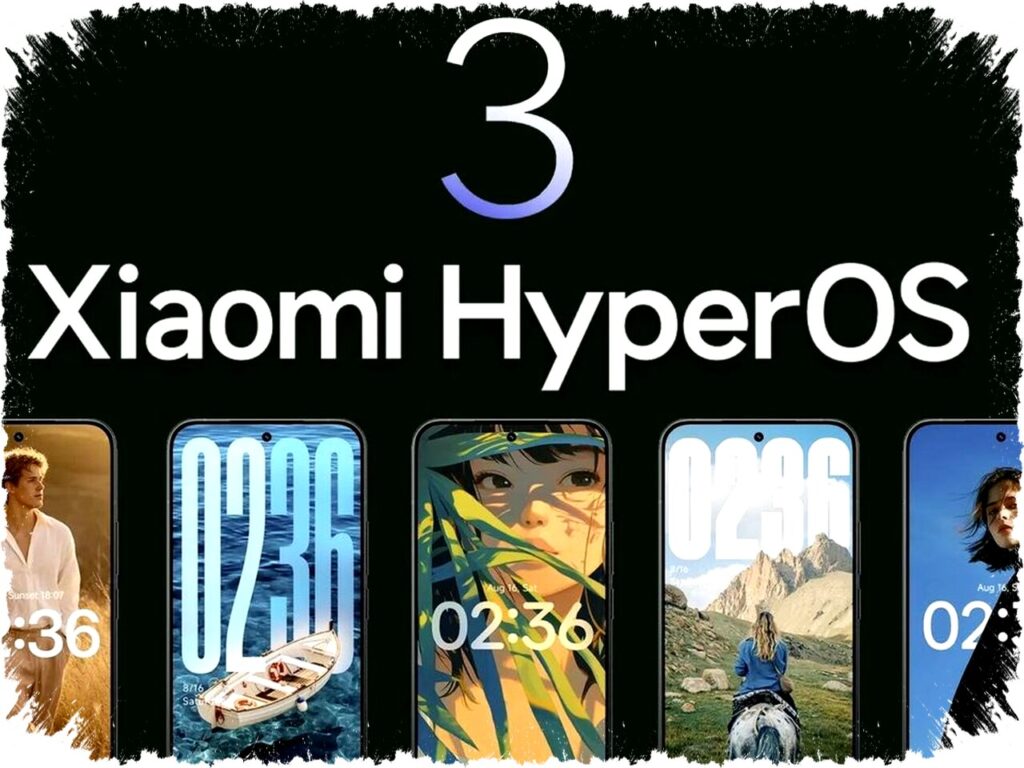
As Xiaomi rolls out the final phase of its HyperOS 3 update, users across multiple series are set to experience a significant upgrade. Based on Android 16, this update introduces advanced AI integration and system efficiency improvements through a refined Liquid Glass UI. By now, many flagship and mid-range devices from Xiaomi, Redmi, and POCO have either received or are scheduled to receive this update as part of Xiaomi’s continued commitment to enhancing user experience.
The HyperOS 3 update streamlines interface responsiveness and brings new features such as Super Island, an evolution of the popular Dynamic Island. This feature integrates Android 16’s Live Updates API, allowing real-time monitoring of apps like ride-hailing services and live scores right near the front camera area. Such innovations mark a notable leap in the software’s usability and interactivity, making the devices more functional and visually appealing.
Xiaomi Devices Eligible for HyperOS 3
Flagship users are prioritized in the distribution of HyperOS 3, with many models already running the stable or transitional versions. Key devices include the entire Xiaomi 15 series, featuring the Xiaomi 15, 15 Pro, 15 Ultra, and the 15T Pro, which arrive with HyperOS 3 pre-installed. The Xiaomi 14 lineup, including the 14, 14 Pro, and 14 Ultra models, also qualifies for the update. Additionally, the Xiaomi 13 series members like the 13 Ultra, 13 Pro, 13, and 13T Pro will receive Android 16-based updates starting this month.
The Xiaomi 12 generation is not left behind, with flagship 12 Pro, 12, and 12T Pro devices included in the upgrade plan. Tablets from Xiaomi’s Pad series, namely the Pad 7 series and Pad 6S Pro 12.4, are also confirmed recipients, broadening the reach of HyperOS 3 beyond smartphones to other smart devices in the ecosystem.
Redmi Smartphones Receiving the Update
Redmi commands a substantial presence in many markets, particularly in Indonesia. The Redmi Note 15 series, including the Pro+, Pro, and standard 15 5G models, are among the first to receive the update. The Redmi Note 14 lineup, comprising the 14 Pro 5G, 14 Pro, and the base 14 5G, will also see the benefits of HyperOS 3 improvements.
Further down the product range, the Redmi Note 13 series including the 13 Pro+ 5G, 13 Pro, and 13 5G models, are scheduled for the update rollout. Budget-conscious users of devices like Redmi 15 5G, Redmi 15C, Redmi 14R, and Redmi A4 can expect to enjoy the new OS features soon. Redmi tablets such as the Redmi Pad Pro (WiFi/5G) and Redmi Pad SE 8.7 also form part of this extensive update.
POCO Devices Included in HyperOS 3 Update
POCO delivers a strong performance-oriented lineup, and HyperOS 3 is optimized with enhancements like Game Turbo 2.0 for a more fluid gaming experience. The POCO F series, which includes models like the F7 Ultra, F7 Pro, F7, and the newer F6 Pro and F6, are all beneficiaries of the latest software.
The POCO X series devices such as the X7 Pro, X7, X6 Pro, and X6 5G are next on the update list. Moreover, mid-range and budget models under the POCO M and C series—POCO M7 5G, M7+, M6 Pro, and C85—are scheduled to receive updates in the final wave stretching until early next month.
Key Features of HyperOS 3
HyperOS 3 is not merely a numerical upgrade but a comprehensive enhancement designed to deliver a smoother and more feature-rich user experience. The Super Island feature is particularly noteworthy, evolving from the well-known Dynamic Island to provide live notifications and real-time updates integrated with Android 16 APIs.
The Liquid Glass UI introduces modern transparency effects with animations that reportedly are 21% smoother than previous versions. This upgrade significantly improves visual aesthetics and responsiveness. HyperConnect functionality now supports more seamless integration across Xiaomi’s ecosystem devices and is extending compatibility with Apple products, allowing file sharing and call answering across different platforms.
The combination of these features reflects Xiaomi’s focus on creating a unified, efficient ecosystem that encompasses smartphones, tablets, and connected devices. This will enable users to enjoy consistent performance, intelligent interactivity, and a visually refined interface across their devices.
Distribution and Availability
The HyperOS 3 update has reached its concluding distribution stage, ensuring a near-complete rollout to eligible devices worldwide. The phased approach allows Xiaomi to optimize update stability while coping with the broad range of hardware in its portfolio. Users are advised to check for updates in their devices’ system settings to access the new features promptly.
Xiaomi’s systematic push of HyperOS 3 solidifies its strategy to maintain a competitive edge in the Android ecosystem. Continuous updates like this support device longevity and user satisfaction, especially in markets with heavy Xiaomi adoption.
Summary of Devices Receiving HyperOS 3
-
Xiaomi Series
- Xiaomi 15, 15 Pro, 15 Ultra, 15T Pro
- Xiaomi 14, 14 Pro, 14 Ultra
- Xiaomi 13 Ultra, 13 Pro, 13, 13T Pro
- Xiaomi 12 Pro, 12, 12T Pro
- Xiaomi Pad 7 Series, Pad 6S Pro 12.4
-
Redmi Series
- Redmi Note 15 Pro+, 15 Pro, 15 5G
- Redmi Note 14 Pro 5G, 14 Pro, 14 5G
- Redmi Note 13 Pro+ 5G, 13 Pro, 13 5G
- Redmi 15 5G, 15C, 14R, A4
- Redmi Pad Pro (WiFi/5G), Redmi Pad SE 8.7
- POCO Series
- POCO F7 Ultra, F7 Pro, F7, F6 Pro, F6
- POCO X7 Pro, X7, X6 Pro, X6 5G
- POCO M7 5G, M7+, M6 Pro, C85
This extensive list demonstrates Xiaomi’s commitment to providing timely updates for a wide user base. It reassures consumers that their devices will benefit from latest security patches, system refinements, and functional upgrades well into the future.